
Last updated November 24, 2026
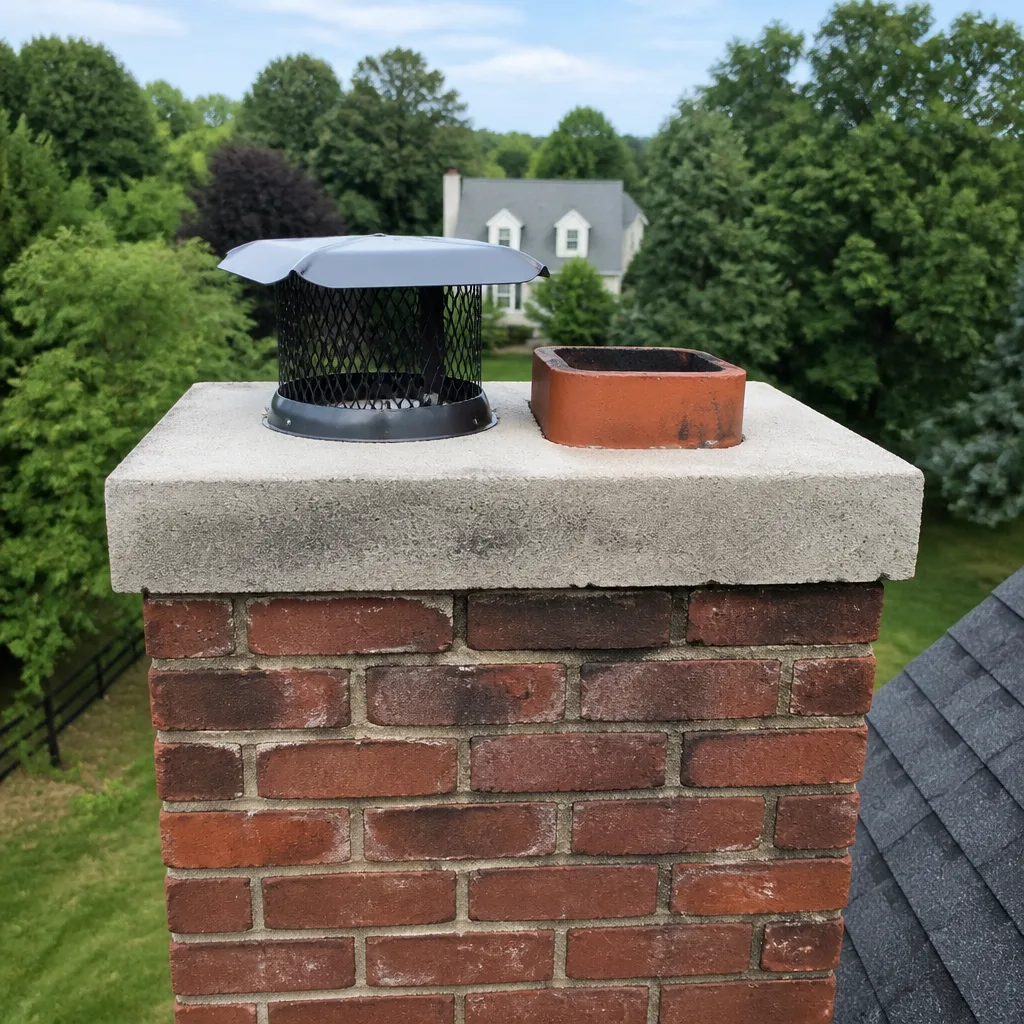 Sweep & inspection
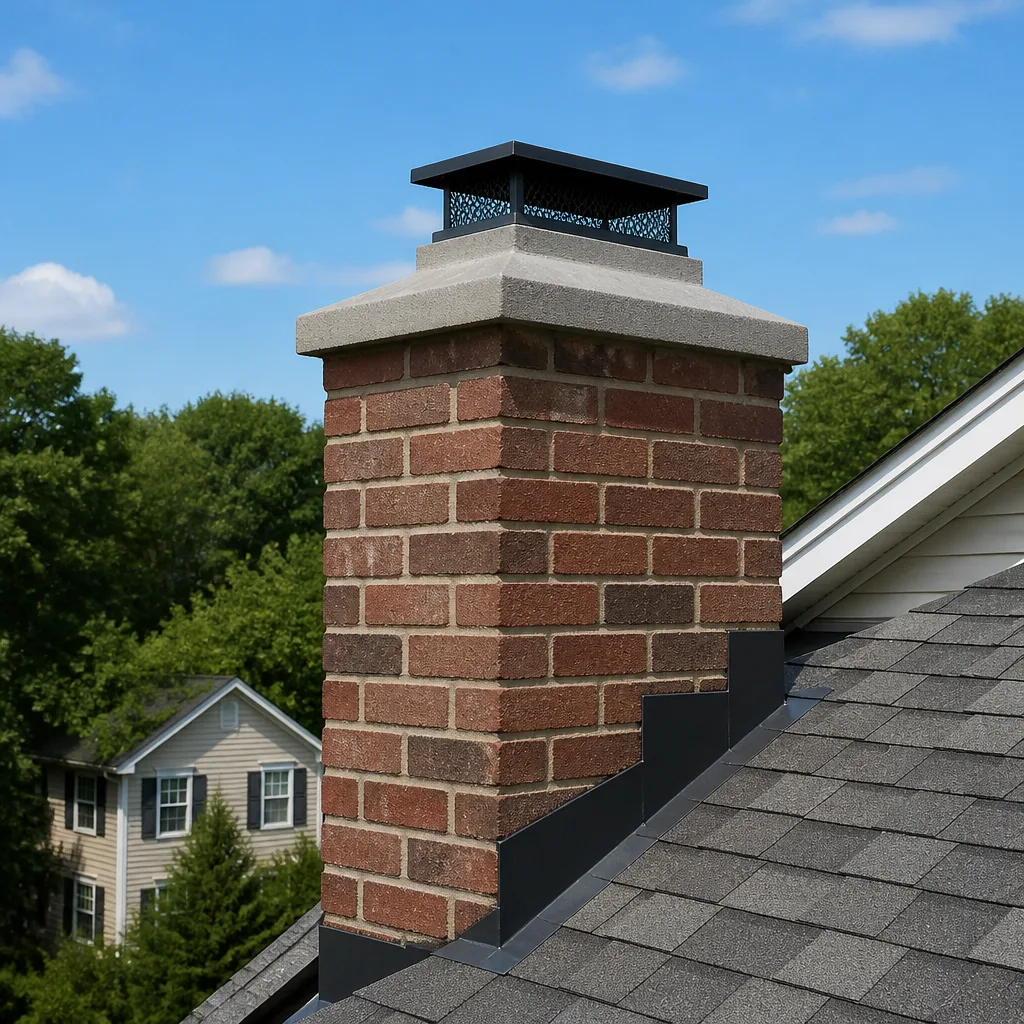 Caps & crowns
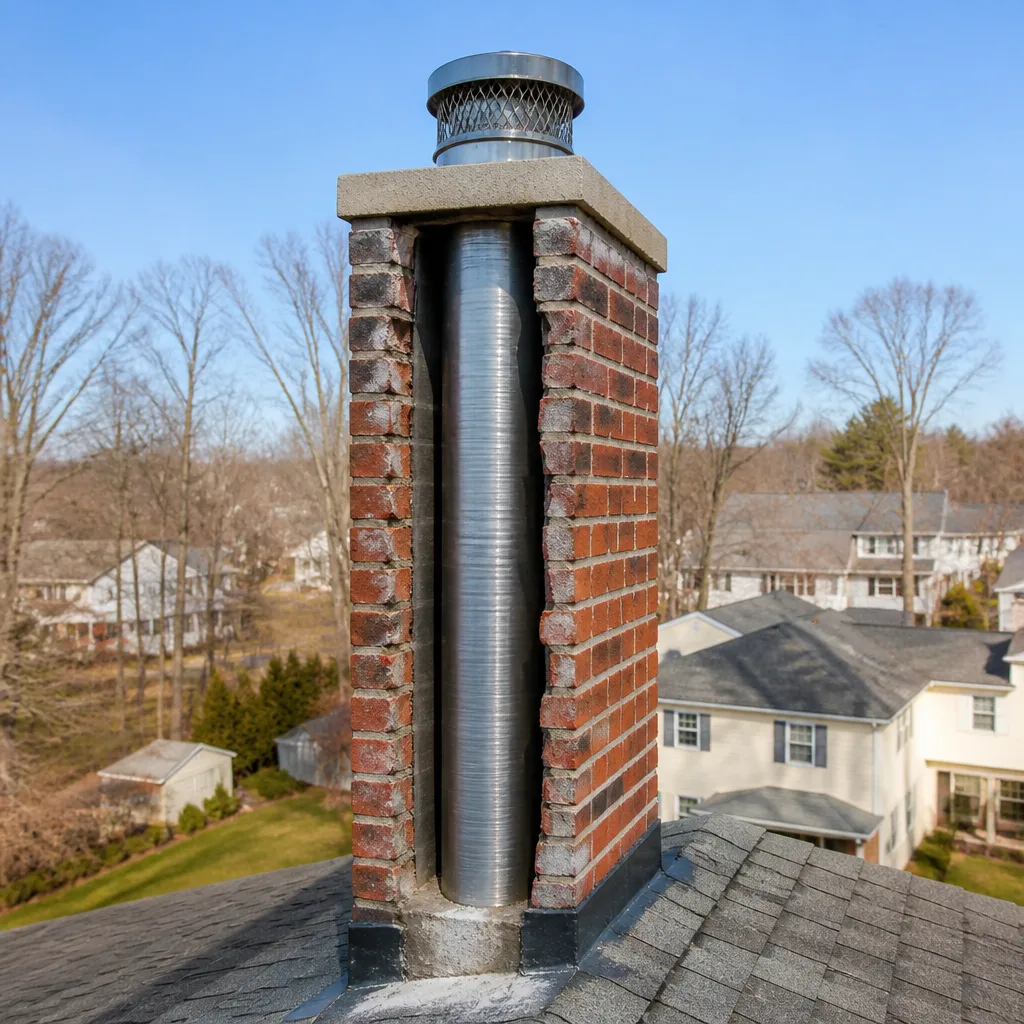 Flue relining
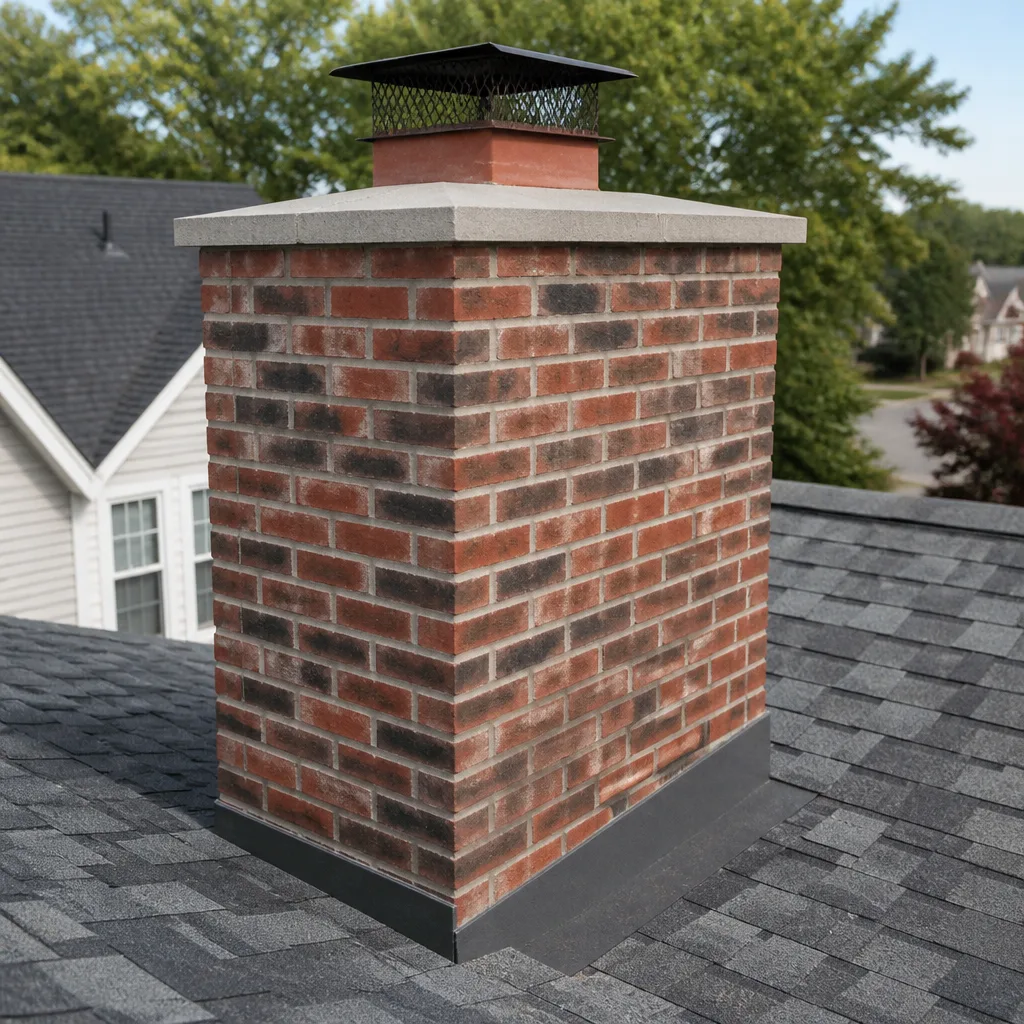 Masonry repair
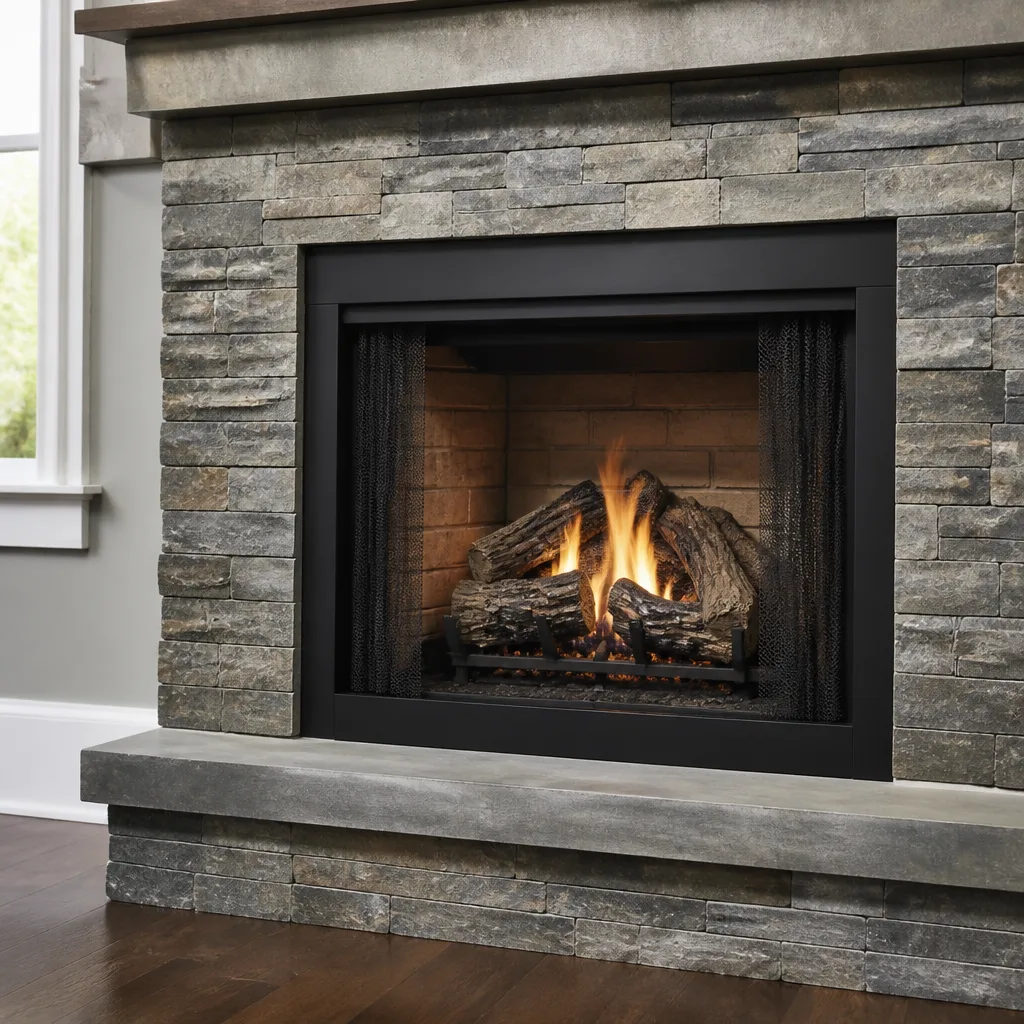 Gas fireplace service
Level 1 sweep and inspection to the NFPA 211 annual standard - flue, crown, cap, and flashing checked and photographed
Chimney sweep logs do not sweep chimneys. They loosen some creosote - which then falls where a brush and vacuum still have to collect it.
Chimney Cleaning Warning Signs: A Brier Creek Homeowner’s Reference Guide
A white stain running down the exterior of your chimney isn’t a surface blemish. It’s efflorescence, and it means water has already moved through the mortar and is depositing mineral salts as it evaporates. The stain is the evidence. The damage is behind it. Most homeowners in Brier Creek read chimney symptoms the same way: a little soot, a bit of rust, a smoky smell that shows up in July. They file each one as cosmetic and wait. This guide reframes those visible signs by explaining the failure mechanism underneath each one, so you can judge urgency for yourself instead of guessing. You’ll learn which signs mean stop using the fireplace, which can wait for a scheduled appointment, and where each one sits on the spectrum.
Quick Answer
The warning signs that mean stop burning and call a professional now are: a strong creosote smell with visible soot flakes, smoke rolling back into the room while a fire is lit, a damper that won’t open fully, or visible cracking in the firebox or flue tiles. Signs like efflorescence, spalling brick, and a summer smoke smell can usually wait for a scheduled appointment within 30 to 60 days. The single most reliable signal is that a swept flue isn’t the same as an inspected one: a cleaning removes deposits, but only an inspection tells you whether the liner, crown or firebox has actually failed. If you’re unsure which category a symptom falls into, call (866) 937-8959 and describe what you’re seeing.
Styles & brands we work with
- Sweep & inspection
- Caps & crowns
- Flue relining
- Masonry repair
- Gas fireplace service
Table of Contents
- How to Read Each Warning Sign as a Failure Symptom
- Which Warning Signs Are Fire Hazards and Which Can Wait
- Why Your Chimney Smells Like Smoke on Hot Brier Creek Days
- Normal Settling Cracks vs. Active Freeze-Thaw Fractures
- The Fireplace Interior Signs Most Homeowners Ignore
- Efflorescence and Spalling: What Water Is Doing to Your Masonry
- How Often to Schedule a Cleaning in Brier Creek
- What an Inspection Covers That a Sweep Doesn’t
How to Read Each Warning Sign as a Failure Symptom
Every visible chimney problem maps to a specific mechanism. Once you know the mechanism, the urgency becomes obvious. Here’s how to connect what you see to what’s actually happening inside the system.
- White or gray staining on exterior brick: efflorescence. Water is migrating through the masonry, dissolving mineral salts, and leaving them on the surface as it dries. The masonry is already saturated.
- Brick faces flaking or popping off: spalling. Freeze-thaw cycles have forced water inside the brick, and the expanding ice is breaking the face off. Each winter that this continues, the brick loses more of its face.
- Rust on the damper or firebox: moisture has entered from above, usually through a failed crown or missing cap. Rust on steel components is direct evidence of ongoing water intrusion, not surface condensation.
- Smoke smell inside the house on warm days: negative pressure and a liner seal issue. The chimney is pulling air from the house instead of exhausting it. It’s not a cleaning problem.
- Smoke rolling back into the room when a fire is lit: a flue obstruction, a closed or damaged damper, or a pressure imbalance in the house. This is an immediate-stop condition.
- Dark soot streaks around the fireplace opening: the fireplace is not drafting correctly. The pattern tells you where the seal is failing.
- Discolored or cracked firebox panels: heat stress has exceeded what the material is rated for. The firebox is no longer containing the fire safely.
We’ve seen Brier Creek homeowners spend money on cosmetic repointing while the actual source, a failed crown at the top, keeps water coming back in every storm. We specify the right product for the job because the product has to solve the mechanism, not just cover the evidence. Click here to learn more about Chimney Sweep Brier Creek.
Which Warning Signs Are Fire Hazards and Which Can Wait
The distinction between stop-now and schedule-soon isn’t a judgment call. It follows from what’s physically at risk. A fire hazard is anything that puts combustion products or flame where they shouldn’t be. Everything else is a structural or efficiency concern.
Stop burning and call now:
- Smoke backing into the room while a fire is lit. The flue is blocked or the draft has failed, and combustion gases are going somewhere other than up.
- Visible gaps or cracks in the firebox, the firebrick, or the flue tiles you can see past the damper.
- A strong creosote odor combined with visible glossy or flaky deposits inside the flue. That’s the fuel for a chimney fire, and it needs to be removed before the next burn.
- A damper that won’t open fully or is stuck. You can’t control the flue with a failed damper in the closed position.
- A carbon monoxide detector going off when the fireplace is in use. Open a window, get everyone out, and call for the gas company before a chimney professional.
Schedule an appointment within 30 to 60 days:
- Efflorescence on exterior masonry. The water is already there, but the masonry is intact and can likely be sealed and addressed before more severe freeze damage.
- Rust on the damper or the top of the firebox. Water is getting in, and you need a cap and crown assessment, but the fire is not immediately at risk.
- Summer smoke smell in the house. Annoying, but a liner seal and pressure issue, not an active fire hazard.
- Spalling on the exterior brick. Structurally significant over time, but not a tonight problem unless the mortar joints behind the spalled brick are also failing.
If you’re in doubt, err on the side of stopping use. Call (866) 937-8959 with what you see, and we’ll help you sort out which category you’re in.
Why Your Chimney Smells Like Smoke on Hot Brier Creek Days
If your fireplace smells like a campfire in July, the cause is not leftover soot and it is not a cleaning issue. It’s negative pressure and a liner seal problem. Here’s the mechanism.
Every chimney relies on a temperature difference to draft: the flue gas is hot, the outside air is cooler, and the difference pulls smoke up and out. On a hot Brier Creek afternoon, that relationship reverses. The chimney is cooler than the outdoor air, the house sits at a higher pressure than the flue, and the chimney becomes the path of least resistance for indoor air. It stops being an exhaust and starts being an intake.
What the chimney pulls in is where the smell comes from. A correctly sealed liner doesn’t allow air to pass through the masonry behind it. But a liner with deteriorating joints, a missing cap, or a gap at the top plate lets the house air pass over old creosote deposits on its way up. The creosote volatilizes at normal room temperature, and the odor enters the room.
What this means for you:
- The smell is not proof the chimney is dirty. It’s proof the liner no longer seals.
- A sweep alone won’t fix it. You need a liner assessment, which means looking at the flue interior with a camera and checking the joints at the top plate and damper.
- HeatShield resurfacing is often the right fix for a liner with deteriorated but structurally sound joints. It restores the seal without a full reline.
- Where the flue has offset joints or a partial collapse, a DuraFlex flexible liner made for retrofitting older flues is the material spec.
Before the first fire of the season is the right time to address this, because the smell gets worse each summer it goes unaddressed, and the underlying leak gets worse with every freeze.
Normal Settling Cracks vs. Active Freeze-Thaw Fractures
Cracks in chimney masonry are normal. Cracks that are getting bigger are not. The difference is whether the crack is stable or active, and you can read that from a few visual clues without any special tools.
Signs a crack is settled and stable:
- The crack edges are rounded and dirty, with no fresh, sharp brick faces visible.
- The crack doesn’t extend through the full mortar joint.
- It hasn’t changed in the time you’ve owned the home.
- There’s no efflorescence running along the crack path.
Signs the crack is active and worsening:
- The crack edges are sharp and clean, showing freshly broken material.
- Efflorescence outlines the crack, meaning water is actively moving through it.
- You can see daylight or feel air moving through the crack from the interior.
- The crack runs diagonally across the brick, not just along the mortar. Diagonal fractures cut through units, which is a structural sign.
- The crack gets wider every season. Brier Creek winters aren’t severe, but the freeze-thaw cycles here are enough that water inside a crack expands overnight and works the crack wider each time.
The correct fix depends on the diagnosis. A stable hairline in the mortar above the roofline is often a candidate for repointing and a fresh crown. A diagonal fracture through the brick, especially one that shows efflorescence along its path, means the chimney structure itself is compromised. That’s a repair scope, not a cleaning scope. In our experience, the homeowners who end up with the most expensive outcomes are the ones who kept repointing cracked joints without addressing the crown and cap failures that let the water in to begin with. From the firebox to the crown, moisture protection is one continuous system.
The Fireplace Interior Signs Most Homeowners Ignore
You can learn a lot about your chimney’s health by looking at the fireplace itself. These are the signs most Brier Creek homeowners miss because they never think to look inside the firebox when no fire is burning.
- Smoke stains around the fireplace opening. Dark streaks above, at the sides, or on the surround are evidence the fireplace is not drafting correctly. The direction of the streaks tells you where the leak is. Stains above the opening suggest a failed smoke chamber or damper seat. Stains at the sides suggest a gasket or surround seal failure.
- Firebox panel discoloration. The firebrick or steel panels are designed to take heat, but they have a limit. Discoloration that goes from gray to near-white, or from a healthy reddish tone to black, means combustion temperatures have exceeded what the material was rated for. That points to a drafting issue or a fuel issue.
- Cracks in the firebox panels. Hairline cracks in firebrick can be normal, but cracks wide enough to slip a business card into, or cracks that run through the thickness of a panel, mean the firebox is no longer containing the fire. Stop using the fireplace.
- Deteriorated mortar joints between the firebrick. The mortar between the firebrick is meant to absorb thermal expansion. When it crumbles or drops out, bricks start to shift, and the next crack forms.
- Rust or corrosion on the grate, the damper frame, or a gas log assembly. Moisture inside the firebox, not from rain falling down the chimney, usually means a top-seal failure. Warm inside air rises into a colder flue, condenses on the flue interior, and drains back down.
- A gas log set that lights but shows a sooty flame or produces an odor. Gas logs need a properly sized flue and a working draft. A sooty flame on a gas log is a venting problem, not a cleaning problem, and it should be checked before the next use.
Fireplace repair is a separate service from sweeping for exactly this reason. A swept flue isn’t the same as an inspected one, and a firebox assessment is not something a cleaning brush replaces. If you want the fireplace interior assessed alongside the firebox, use our fireplace repair service.
Efflorescence and Spalling: What Water Is Doing to Your Masonry
Efflorescence is white mineral bloom on the surface of masonry. It looks like a cosmetic stain. It is really a record of water migration. Water enters the brick or mortar, dissolves naturally occurring salts, and then evaporates from the surface, leaving the salt behind. Each deposit is a record of one more migration event. If you see efflorescence on your Brier Creek chimney, water has already found a path in.
The path is usually at the top of the chimney, not the sides. Here’s where the water typically enters, in order of likelihood:
- A failed crown. The crown is the sloped concrete cap at the top of the chimney. It’s supposed to shed water away from the flue and the masonry. When it cracks or pulls away from the flue, water goes straight in.
- A missing or undersized cap. A chimney cap is the metal hood over the flue opening. Without one, rain falls directly down the flue, and the surrounding masonry is exposed to every storm.
- Failed mortar joints in the upper courses. Above the roofline the mortar takes the worst of the weather. When the joints erode, water penetrates the brick core.
- A gap at the flashing where the chimney meets the roof. This is the seam most often missed. If the flashing is loose, water runs down the roof and into the chimney chase.
Spalling is what happens after efflorescence. Once the brick core stays saturated, freezing water expands inside the brick, and the face breaks off. Each winter of unaddressed efflorescence moves more brick from intact to spalled. By the time spalling is obvious, the brick that has already lost its face is not coming back; it needs replacement.
Moisture protection is one of our five service categories because it deserves to be treated as a first-class job. We install caps and crowns using Gelco, Olympia Chimney and Famco products, all made for chimney moisture environments. If you’re seeing efflorescence or spalling on your Brier Creek chimney, review chimney cap & crown options before the next wet season.
How Often to Schedule a Cleaning in Brier Creek
Chimney cleaning frequency depends on how much you burn and what you burn. The trade rule of thumb is once a year for wood-burning fireplaces in regular use, and more often if you burn more than a cord of wood per season or burn unseasoned wood.
Here’s how to think about the timing for a Brier Creek home:
- Regular wood-burning (a fire most nights in cold months): annual sweep, plus an inspection at the same visit. Book before the first fire of the season, which in central North Carolina is usually somewhere in October or November.
- Occasional wood-burning (a fire most weekends in cold months): annual sweep still applies, because creosote accumulates even slowly, and a once-a-year inspection catches liner problems while they’re still repairable.
- Gas fireplace: the flue doesn’t build creosote the same way, but the venting still needs an annual inspection, especially for any soot or moisture evidence.
- Buying or selling a home: an inspection for the transaction is a separate scope from a routine sweep. It’s designed to meet real estate and insurance documentation needs, and it should be scheduled before the closing documents are drafted.
- Never burned it, just bought the house: one inspection before the first fire, even if the previous owner said it was recently cleaned.
Do not wait for a warning sign to book a sweep. The most expensive repairs we see are on chimneys whose owners waited until a symptom was too obvious to ignore; the repair scope at that point typically includes liner work, crown work and masonry. An annual chimney sweep with a camera inspection catches those transitions before they become structural.
Our technicians have up to 10 years of experience. The estimate is free and the price is set per job by the written estimate, so you’ll know the scope before any work begins.
What an Inspection Covers That a Sweep Doesn’t
A sweep removes deposits. An inspection evaluates the system. They’re different services with different tools, and this is the distinction that gets blurred most often in Brier Creek homeowners’ minds.
A sweep covers:
- Cleaning the flue interior with brushes sized to the flue.
- Removing soot and creosote deposits from the firebox, smoke shelf and flue.
- Vacuuming with a HEPA-equipped system so no dust enters the living space.
An inspection covers:
- A camera inspection of the flue interior to check liner joints, gaps, offset sections and creosote condition.
- Assessment of the firebox, damper, smoke chamber and smoke shelf.
- Exterior inspection of the crown, cap, flashing and masonry from the roofline.
- A written report with photos documenting any deficiency, which is what makes the inspection useful for insurance, real estate and repair documentation.
- An honest recommendation on what needs work now and what can wait.
The repair options we can bring to the diagnosis are the reason the inspection matters. A liner with deteriorated joints but sound structure is often a HeatShield resurfacing candidate, and resurfacing restores the seal without the cost of a full reline and comes with the manufacturer’s warranty behind it. An older flue with offset joints or a partial collapse usually calls for a DuraFlex flexible liner retrofitted to the flue geometry. From the firebox to the crown, one team can handle the full scope, including the cap and crown work that stops water getting in.
Common Mistakes to Avoid
- Treating efflorescence as a cosmetic stain. It’s evidence water is already in the masonry. Repointing without addressing the crown or cap lets water come right back and start the cycle again.
- Confusing a sweep with an inspection. A brushed flue doesn’t tell you whether the liner joints are still sealed. The two services need to happen together or the inspection doesn’t happen at all.
- Ignoring the summer smoke smell. If your Brier Creek home smells like a campfire on hot days, the liner is no longer sealing. Waiting until the cold weather to address it usually means a larger repair scope.
- Assuming hairline cracks in the firebox are normal. A hairline in the firebrick can be normal. Cracks wide enough to catch a fingernail are not, and they should be assessed before the next fire.
- Replacing a liner that could be resurfaced. A deteriorated but structurally sound liner is often a HeatShield resurfacing candidate. It’s the option many homeowners don’t know exists before they’ve already been quoted a full reline.
- Skipping the cap and crown. A cap and a crown are the number-one defense against water intrusions. Without both, every storm is adding to the moisture problem the efflorescence is already documenting.
- Not documenting anything for real estate or insurance. A camera inspection with a written report is the only reliable record a buyer’s inspector or an insurer can review. A verbal “it looked fine” doesn’t help at closing.
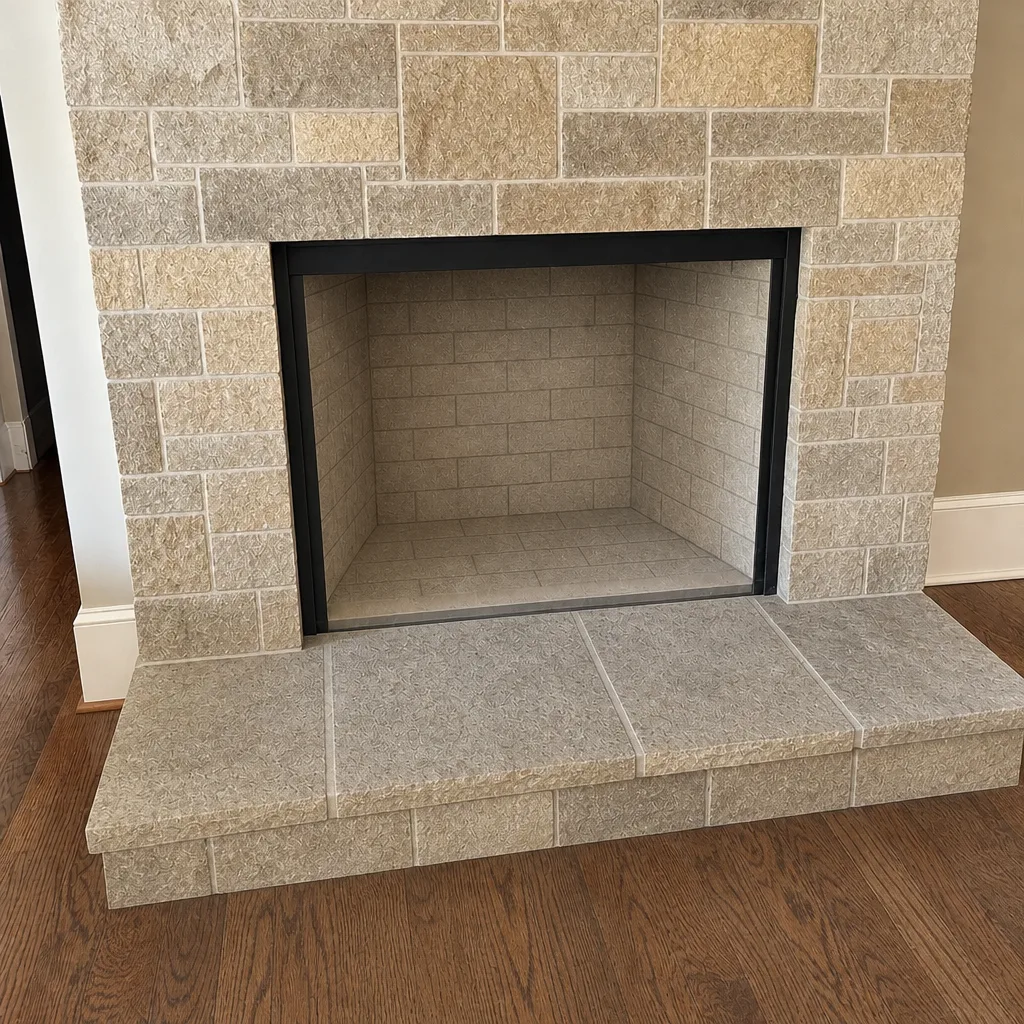
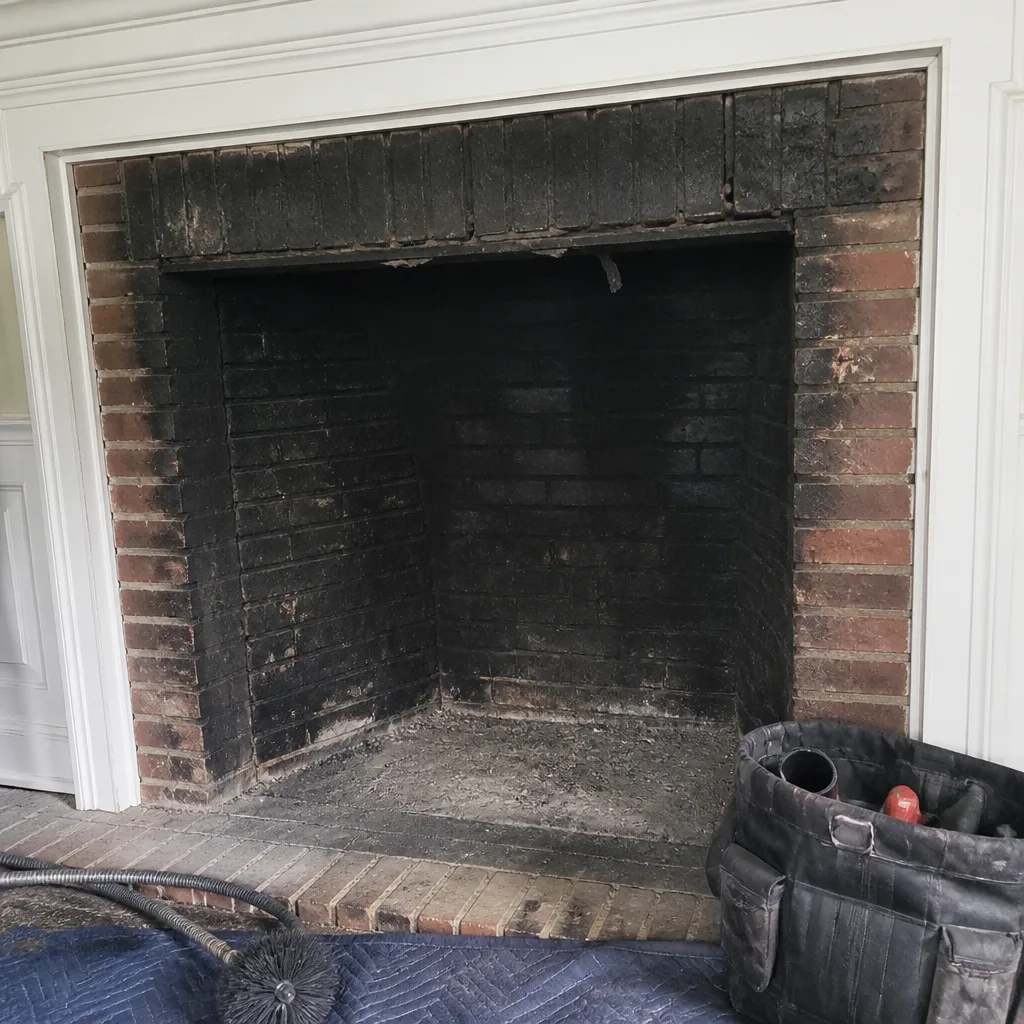
See the difference
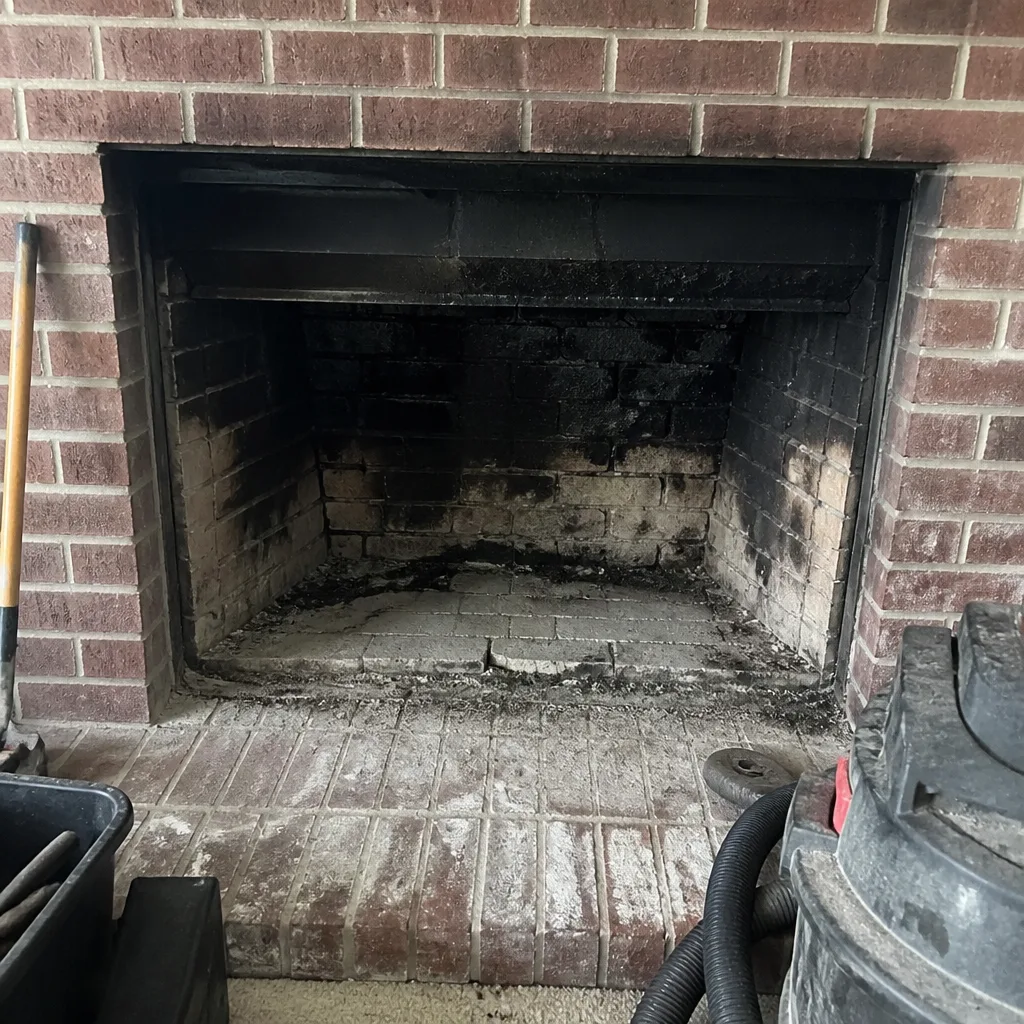 Before
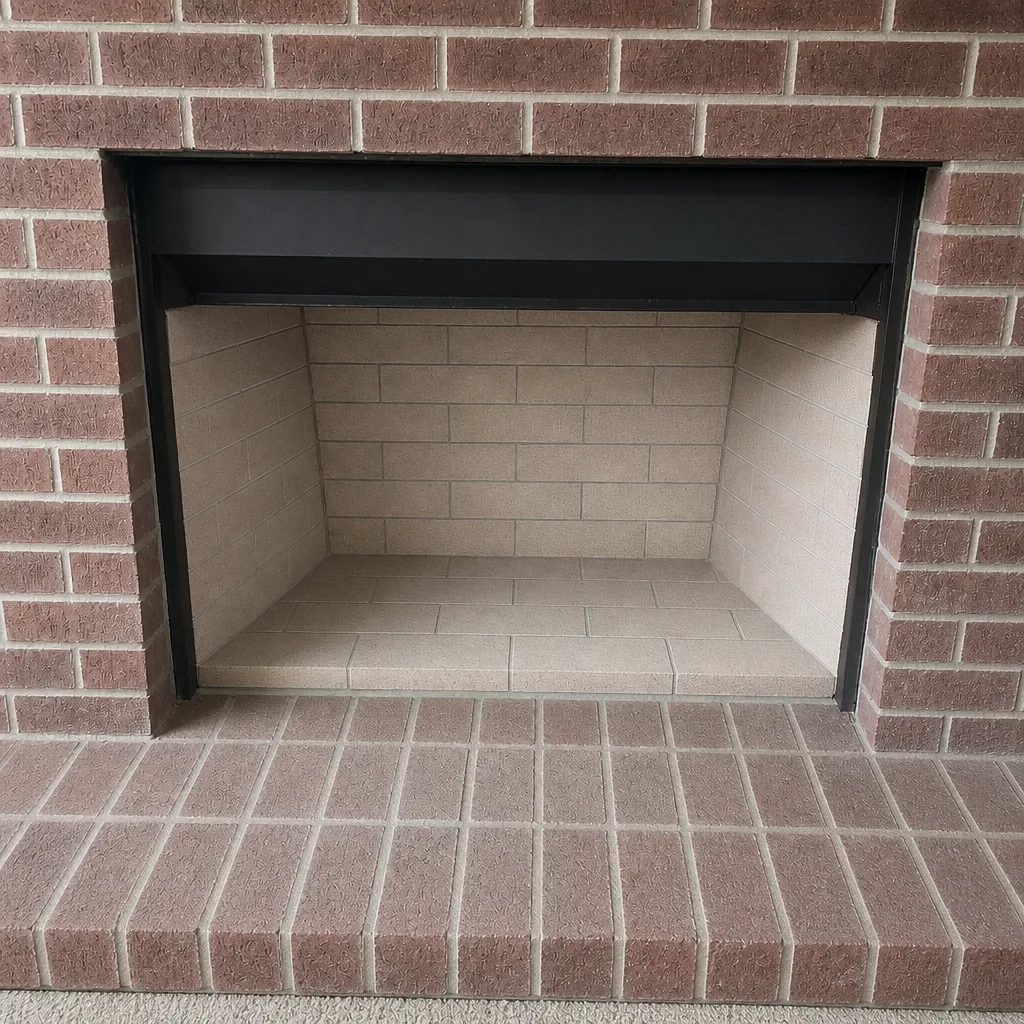 After
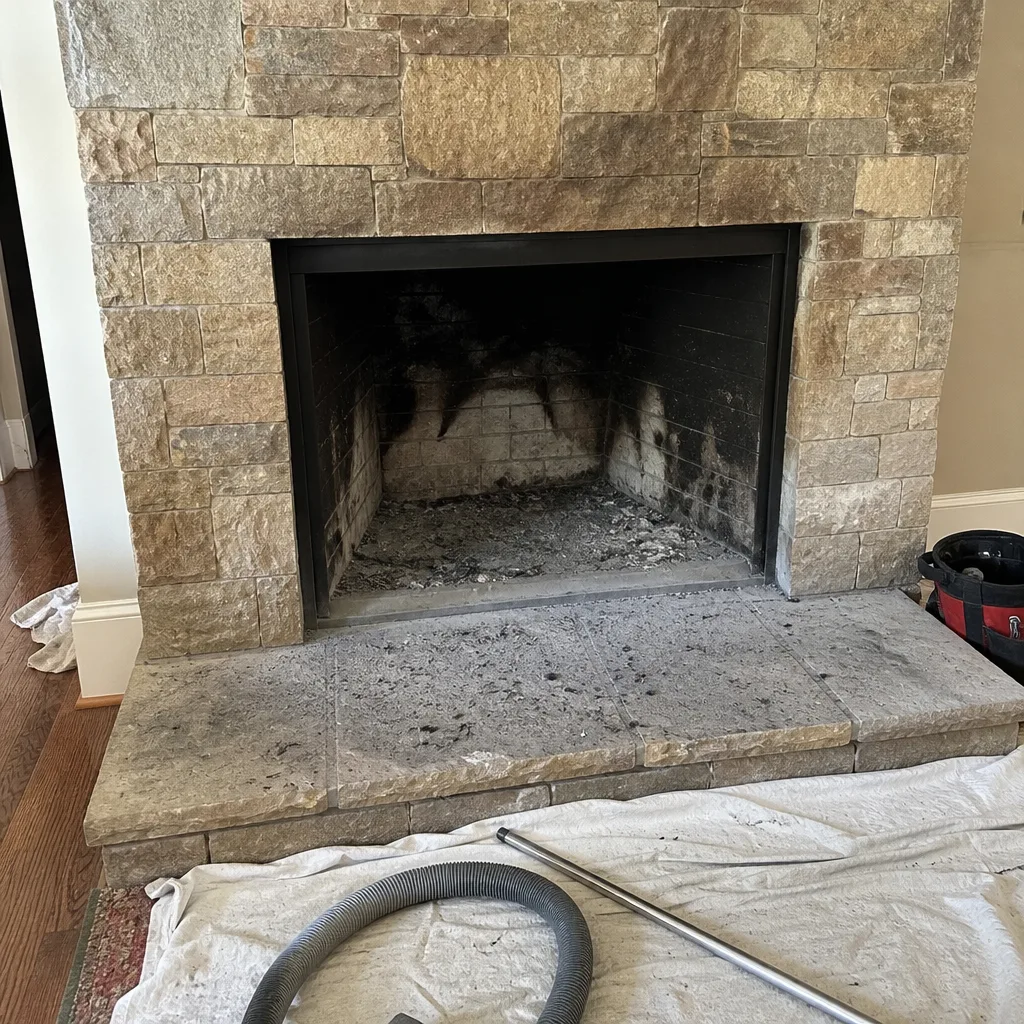 Before
 After
 Before
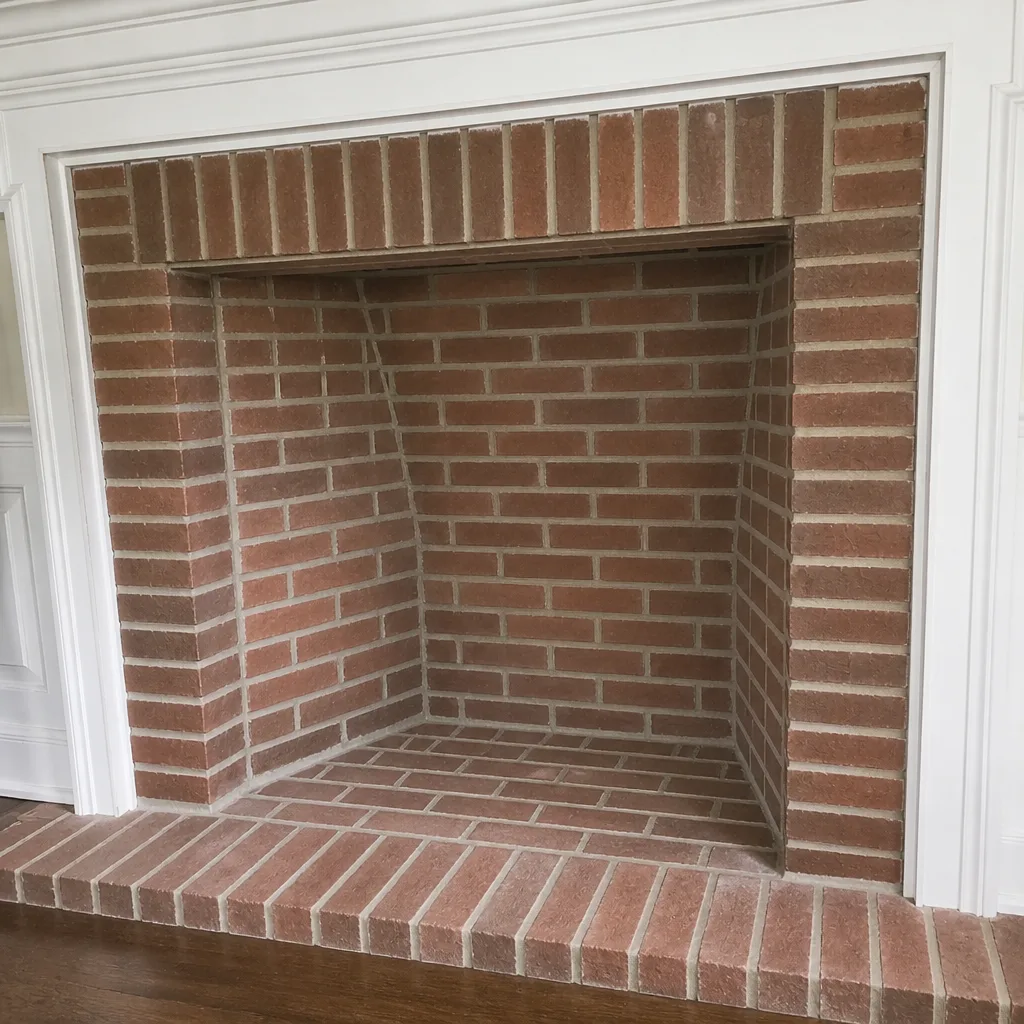 After
When to Call a Professional
Call us when you see any of these: smoke rolling into the room, visible cracks in the firebox or flue tiles, a strong creosote smell with visible soot flakes, a damper that won’t open, or a carbon monoxide detector that goes off while a fire is burning. Those are stop-use conditions. Also call for the signs that can wait but shouldn’t be ignored: efflorescence, spalling brick, rust on the damper, or a campfire smell in the house during warm weather. We can help you sort out which category your symptom falls into before you spend money on a repair. Chimney Sweep Brier Creek offers free estimates in Brier Creek. Call (866) 937-8959. We answer 24/7. Fast dispatch from 7am to 7pm, Sunday through Friday.
Frequently Asked Questions
Pricing is set per job by a written estimate, so the range depends on the flue configuration, the level of deposit, and whether an inspection is included. The estimate itself is free. Call (866) 937-8959 to book an inspection and get a written scope.
Creosote accumulates whether or not you can see it, and once the layer reaches a certain thickness it becomes fuel for a chimney fire. The less visible effect is that the annual inspection doesn’t happen, which means a developing liner or crown problem goes undetected until it’s structural. The cost of the eventual repair is typically much higher than the cost of the sweep you skipped. Call (866) 937-8959 for an exact quote on a sweep before the first fire of the season.
Usually it’s a liner seal issue, not a cleaning issue. On hot days the chimney reverses and pulls air from the house instead of exhausting it, and if the liner joints aren’t sealed, the air picks up creosote odor as it passes. A camera inspection will show what’s actually happening. Call (866) 937-8959 to schedule the inspection.
Not every liner needs replacing. A liner with deteriorated but structurally sound joints is often a candidate for HeatShield resurfacing, which restores the seal without the cost of a full reline. A flue with offset joints, a partial collapse, or a sizing problem usually calls for a DuraFlex flexible liner instead. The right answer depends on what the camera shows, not on a guess. Call (866) 937-8959 for an inspection quote.
Look at the edges and the path. Sharp, clean edges with efflorescence running along the crack mean it’s active and taking on water. Rounded, dirty edges with no mineral bloom mean it’s settled and stable, though still worth checking at the next inspection. A crack that runs diagonally through the brick rather than along the mortar is a structural sign, not a cosmetic one. Call (866) 937-8959 if you want a camera inspection and a written assessment.
Yes. Our full inspection service is designed for real estate transactions and insurance documentation, with a written report and photos of any deficiency. It’s a different scope from a routine sweep, so mention it’s for a transaction when you book. Call (866) 937-8959 to schedule.
The Bottom Line
Every visible chimney problem is a record of a failure mechanism. Efflorescence means water is already in the masonry. Spalling means the water has been there through at least one freeze. A summer smoke smell means the liner no longer seals. Rust on the damper means water is getting in from above. Cracks in the firebox mean the fire isn’t being contained the way it’s meant to be. The warning signs that mean stop burning are a small group and the signs you can schedule are a larger one. If you’re unsure which is which, treat the chimney as if it’s not in service and get an assessment. Book a chimney sweep with a camera inspection, or explore our full scope through Chimney Sweep Brier Creek, and get the answer in writing before the first fire of the season.
Call (866) 937-8959 for a free estimate. We answer 24/7. Fast dispatch from 7am to 7pm, Sunday through Friday.
Written by the team at Chimney Sweep Brier Creek.