
Last updated November 24, 2026
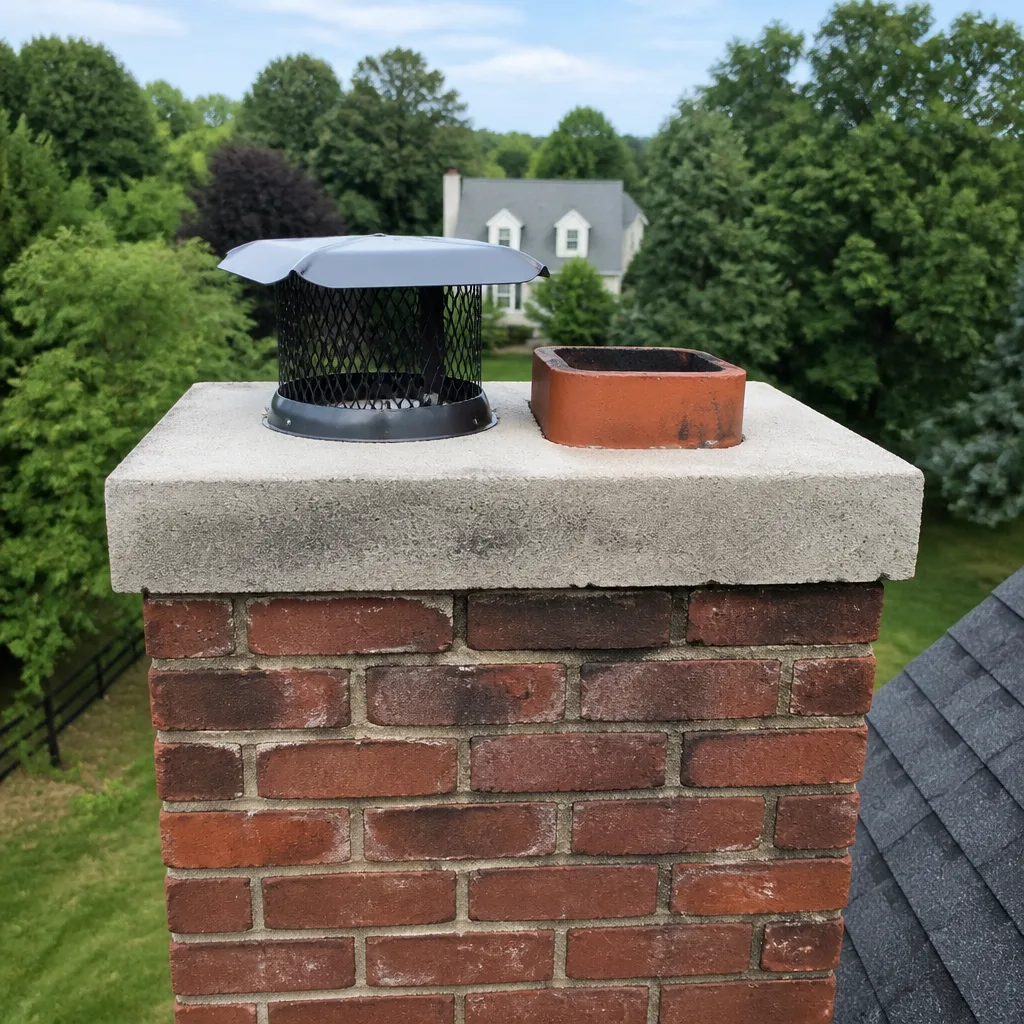 Sweep & inspection
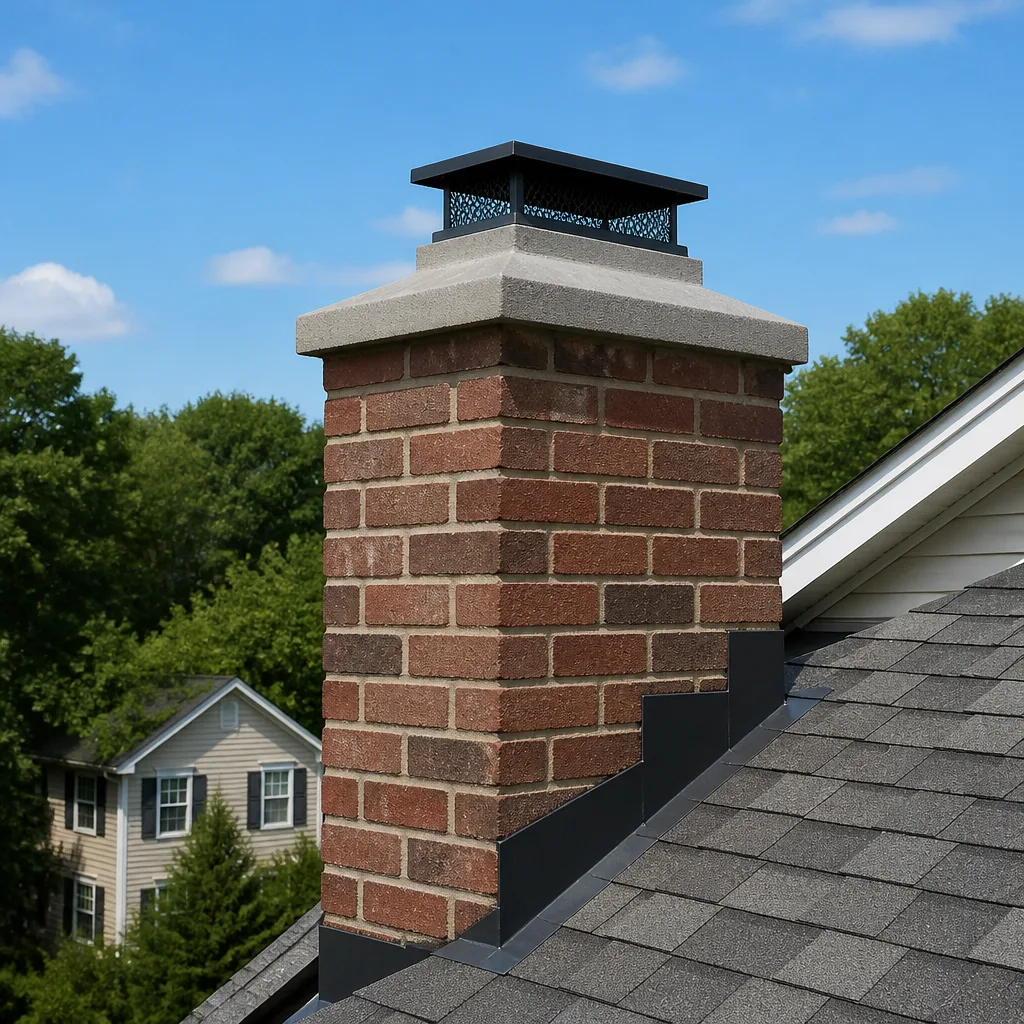 Caps & crowns
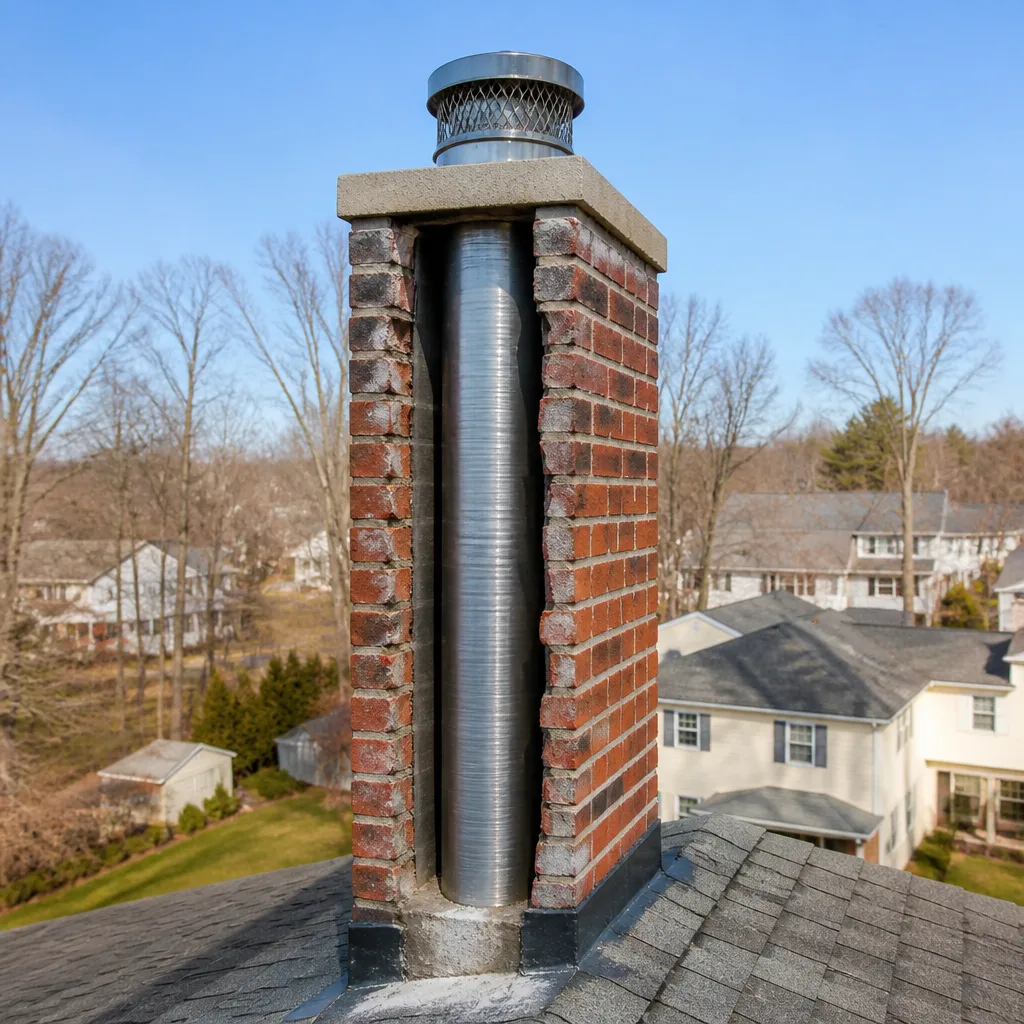 Flue relining
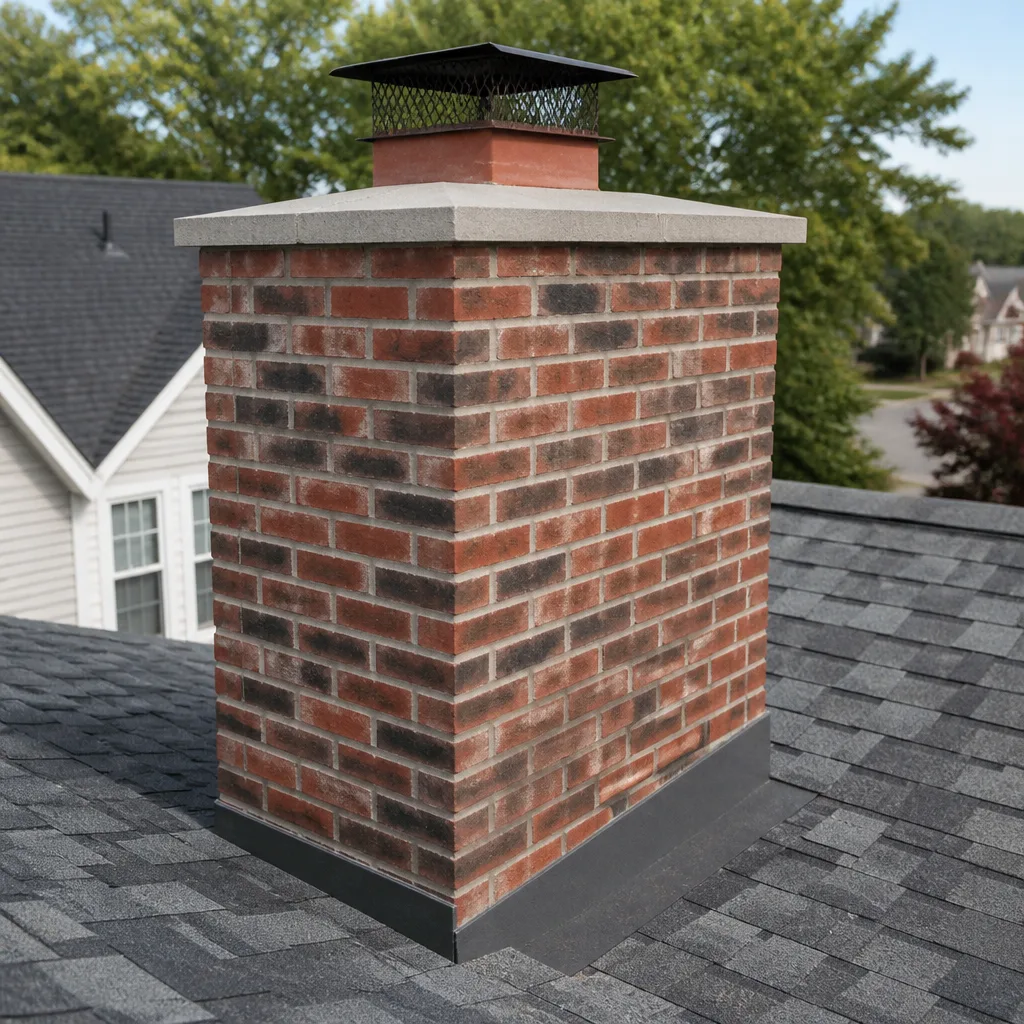 Masonry repair
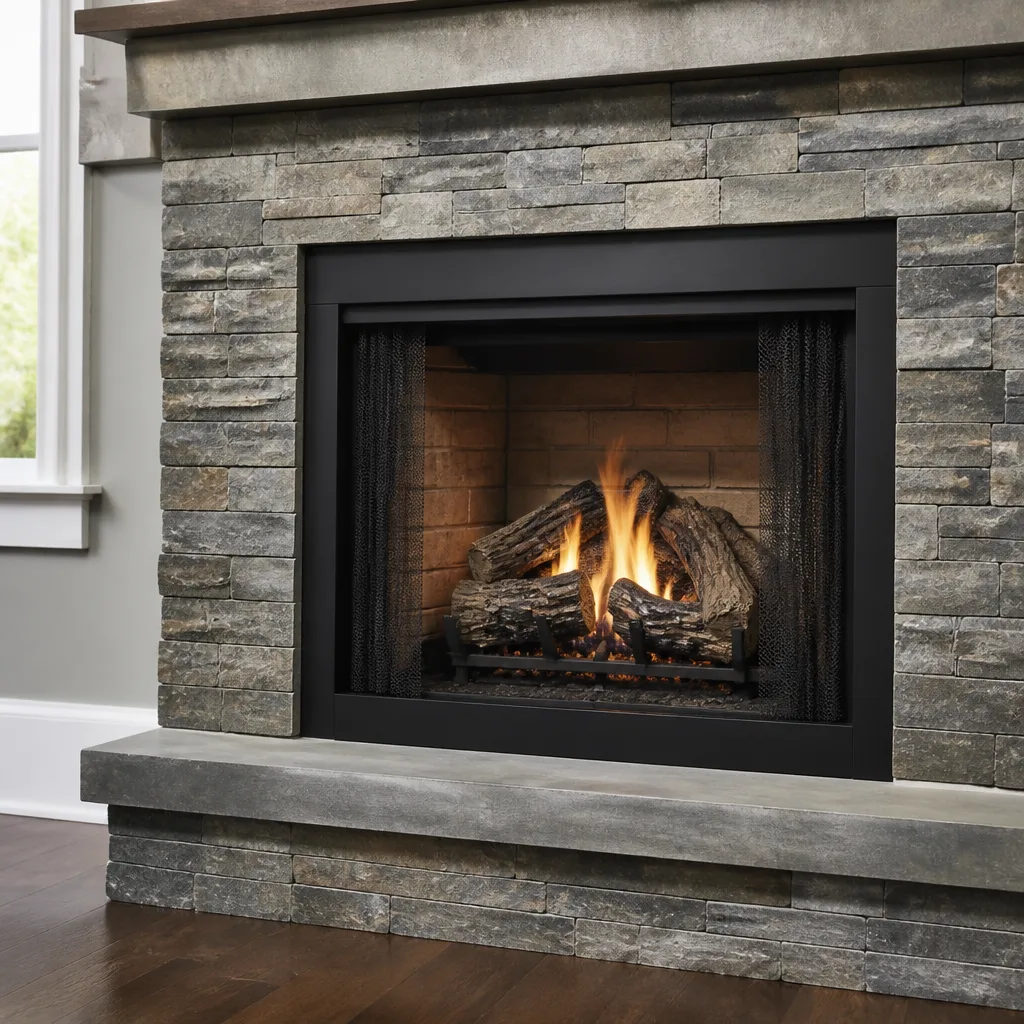 Gas fireplace service
Level 1 sweep and inspection to the NFPA 211 annual standard - flue, crown, cap, and flashing checked and photographed
Chimney sweep logs do not sweep chimneys. They loosen some creosote - which then falls where a brush and vacuum still have to collect it.
Chimney Sweep Maintenance Schedule: What to Do and When
The NFPA recommends an annual chimney inspection, and that advice is sound. It also leaves out the part that catches most homeowners: when you schedule it matters as much as whether you do. In Brier Creek, the fall booking rush starts around September and tightens through October, right when everyone suddenly remembers the fireplace. Wait until the first cold snap and you’re competing for appointment slots with half the neighborhood. A better mental model is a calendar, not a checkbox. Over the next few sections we’ll lay out a month-by-month framework for chimney care in Brier Creek, built around our humid summers and hardwood-burning winters, so the work happens before it’s urgent.
Quick Answer
Chimney maintenance in Brier Creek runs on a year-round rhythm, not a single fall appointment. Get an annual Level 1 inspection and sweep in July or August, before the fall rush; check the crown and damper yourself in spring and early summer; and call for a Level 2 inspection whenever you buy or sell a home, change fuel type, or after a chimney fire or major storm. The single most useful habit is booking your inspection early, while the calendar is open and a sweep can take its time.
Styles & brands we work with
- Sweep & inspection
- Caps & crowns
- Flue relining
- Masonry repair
- Gas fireplace service
Table of Contents
- Why the Chimney Maintenance Calendar Matters in Brier Creek
- Why July and August Are the Best Months to Book in Brier Creek
- What a North Carolina Summer Does to Your Mortar Joints
- Level 1, Level 2, and Level 3 Inspections: Which One You Need
- How the Wood You Burn Changes How Often You Need a Sweep
- What to Check Yourself Between Professional Visits
- A Month-by-Month Chimney Calendar for Brier Creek
- Common Mistakes to Avoid
Why the Chimney Maintenance Calendar Matters in Brier Creek
Most chimney advice you’ll find online is written for a generic climate. Brier Creek doesn’t have a generic climate. Our summers run hot and sticky, with weeks of high humidity that push moisture into every masonry joint of an exterior chimney. Our winters are mild enough that people burn hardwood on and off rather than in one long cold stretch, which produces a different creosote pattern than a New England heating season. The result is a maintenance rhythm that’s specific to this part of the Triangle.
Think of chimney care in three layers. The first is the annual sweep and inspection, the baseline service every wood-burning chimney needs. The second is moisture protection, which in a humid place like Brier Creek means paying real attention to the crown and cap between professional visits. The third is the repair layer, where products like HeatShield for liner resurfacing or a DuraFlex flexible liner for an older or offset flue become relevant. Each layer has its own timing, and they don’t all fall in the fall.
A swept flue isn’t the same as an inspected one, and an inspected one isn’t the same as a maintained one. Homeowners often treat the annual visit as the whole job. It’s the anchor of the schedule, but the checks you do in spring and the moisture work that gets done in summer are what keep the anchor from moving every year.
Why July and August Are the Best Months to Book in Brier Creek
If there’s one scheduling decision that improves your odds of a thorough service, it’s this: book your annual inspection and sweep in July or August. The reasoning is practical, not mystical. In Brier Creek, the fall calendar fills up fast from September onward as residents prepare for their first fires. A chimney company can afford to take its time in mid-summer. In October, everyone is squeezed.
What a summer appointment gets you that a fall one often can’t:
- Time for a proper look. An unhurried inspection means the technician can get into the firebox, up the flue, onto the roof, and around the crown without rushing the next call.
- Room to fix what turns up. If the inspection reveals a cracked crown or a liner that needs resurfacing, there’s still time to schedule the repair before the first fire of the season, not after.
- Wider appointment availability. Summer is the quiet stretch for chimney work in Brier Creek. You’re more likely to get the slot and day that actually work for you.
- Moisture findings while they still matter. A summer inspection catches crown and flashing issues before fall rains and winter freeze-thaw cycles turn a small crack into a larger repair.
We know it feels oddly early to think about the fireplace in July. That’s the point. The homeowners who avoid the October scramble are the ones who treated the annual visit as a summer errand. If you’re already past summer, you can still book the annual chimney sweep; just expect to wait longer for an opening.
What a North Carolina Summer Does to Your Mortar Joints
Mortar is porous. Over a humid Brier Creek summer, an exterior chimney absorbs moisture into its joints, and that moisture expands and contracts with temperature swings. Over time, the surface of the mortar can begin to flake and pit – what the trade calls spalling. It starts small, but it’s the leading edge of much larger masonry repairs.
You can spot the early signs yourself, and you don’t need to climb anything to do it. From the ground with binoculars, or from a window with a clear view of the chimney:
- Look at the mortar lines between bricks. Crumbly, sandy, or recessed mortar is a warning sign. Fresh, tight joint lines are healthy.
- Check the crown. The crown is the concrete cap at the top of the chimney that sheds water away from the masonry. Any visible crack, or a crown that’s pulling away from the flue, lets water in.
- Look for efflorescence. That white, chalky staining on brick is a sign moisture is moving through the masonry.
- Check the flashing at the roofline. The metal where the chimney meets the roof should be snug and sealed. Lifted flashing is a common leak point.
- Check the cap. A proper cap keeps rain, birds, and debris out of the flue. A missing or damaged cap is a moisture problem waiting to happen.
Spalling mortar and a cracked crown aren’t cosmetic in a humid climate. They’re the pathway water uses to get into the chimney’s structure. A summer check catches them while they’re still cheap to address. If yours needs attention, our chimney cap & crown service treats moisture protection as a first-class job, not an afterthought, and we install caps from Gelco, Olympia Chimney, and Famco because those brands are built specifically for that purpose.
Level 1, Level 2, and Level 3 Inspections: Which One You Need
The three inspection levels come from the NFPA, and they’re not interchangeable. Knowing which one applies to your situation is one of the more useful things you can learn about chimney care, because it keeps you from over-paying for a Level 3 you don’t need or under-preparing for a Level 2 you do.
Level 1 inspection. This is the annual baseline. It covers the readily accessible parts of the chimney and fireplace – the firebox, damper, flue from below, and the exterior from the ground or a ladder. It’s what you schedule every year when nothing has changed with your system.
Level 2 inspection. This is a more thorough inspection that includes the accessible parts plus a video scan of the flue interior, the attic, and the roof-level exterior. The NFPA calls for a Level 2 in specific situations: buying or selling a home, changing fuel type, after a chimney fire, after an earthquake or major storm, or when a Level 1 turns up something that needs a closer look. This is also the inspection your lender or insurer may ask for in a real estate transaction.
Level 3 inspection. This is the most involved and is reserved for when a Level 1 or Level 2 reveals a hidden problem that requires opening up part of the chimney structure to see it. It’s uncommon, and it’s only warranted when there’s a specific reason.
In practice, most Brier Creek homeowners are on the annual Level 1 rhythm, with a Level 2 added at the points above. If you’re buying or selling a home in Brier Creek, the Level 2 is part of the process and our inspection documentation is designed to satisfy the lender and insurer asking for it. From the firebox to the crown, one inspection can cover the whole system.
How the Wood You Burn Changes How Often You Need a Sweep
The one-size-fits-all advice to “sweep annually” is a floor, not a ceiling. What you actually burn changes how fast creosote builds up in the flue, and creosote is the flammable deposit that makes chimney fires possible. The two variables that matter most are wood species and moisture content.
Seasoned hardwood – oak, hickory, ash – burns hot and relatively clean. It produces less creosote per cord than resinous wood. Pine and other softwoods burn hotter initially but deposit more, and unseasoned or “green” wood is the worst of both worlds: it burns cooler, produces more smoke, and leaves more creosote. A homeowner burning well-seasoned oak through a Brier Creek winter can often stay on a strict annual sweep. A homeowner burning a lot of pine, or burning unseasoned wood, may need to be swept more than once a year.
How to gauge your needs:
- Season your wood. Split it and let it dry for a full season before burning. Dry wood burns cleaner and deposits less.
- Watch for a glassy, tar-like glaze inside the flue – that’s the higher-grade creosote, the most flammable kind, and it’s a signal your sweep interval should shorten.
- Notice soot and smoke at the firebox. If the fire smokes back or the glass doors soot up quickly, incomplete combustion is depositing more creosote.
- Sweep after a heavy-burn season. If a single winter saw a lot of burning, a mid-year sweep before the next season is a reasonable call.
We don’t push a more frequent schedule just to inflate the bill. What we do recommend is that the sweep interval match your actual burning habits. If we see heavy deposit on an annual sweep, we’ll say so; if the flue looks fine, we’ll say that too.
What to Check Yourself Between Professional Visits
You don’t need a technician to do every small check. Some of the most useful chimney care happens in your own living room, and a bit of regular attention catches problems before they become repair bills. The trick is knowing what’s safe to check and what’s not.
Safe to check on your own:
- The damper. Open and close it. It should move smoothly and seal snugly. A rusty or stuck damper is worth flagging for the annual visit.
- The firebox interior. Shine a flashlight around the firebox walls for cracks or crumbled mortar. Small surface cracks are normal; deep, structural cracks aren’t.
- The glass doors or screen. Check for soot buildup that suggests a draft or combustion problem.
- The cap from the ground. With binoculars, look for a missing or damaged cap or a visible crack in the crown.
Do not check on your own:
Do not climb onto the roof or into the flue to inspect the interior. Heights and enclosed, sooty spaces are a genuine hazard, and the safe inspection of a flue requires training and the right tools. High-tension components and the interior of the flue are for a trained professional. If a check turns up something – a cracked crown, a damper that won’t seal, soot that builds fast – note it. Those notes are useful to your technician and they help you understand any recommendation that comes out of the annual visit.
Between visits, our technicians have up to 10 years of experience, and a lot of that experience is in reading exactly these small signs and knowing which ones matter. Our fireplace repair service exists because a lot of that small stuff is genuinely fixable with the right part, not a full replacement.
A Month-by-Month Chimney Calendar for Brier Creek
This is the heart of the schedule. It’s written for a Brier Creek homeowner with a wood-burning or gas fireplace, but the logic applies anywhere in the Triangle with a similar climate. Use it as your default and adjust for your actual burning habits.
January and February – mid-burn season. Keep burning dry, seasoned hardwood. Watch for smoke back at the firebox; that’s a sign of reduced draft and something to note for your next sweep. Don’t sweep mid-season unless you’re seeing a problem.
March – end of the heating season. After your last fire, do a quick living-room check: damper, firebox, glass. Note anything odd. This is also a good time to schedule the annual summer appointment while slots are wide open.
April and May – spring moisture check. This is spalling season. Look at the crown, the cap, the mortar joints, and the flashing. The humid months are starting to work on the masonry. If the crown is cracked or the cap is missing, our chimney cap & crown service handles that before the summer humidity makes it worse.
June – pre-season prep. Confirm your summer appointment. If you haven’t already, order next winter’s firewood now so it has a full season to dry.
July and August – the annual sweep and Level 1 inspection. This is the ideal window. The rush hasn’t started, and any repair the inspection turns up can be scheduled before the first fire. Expect a thorough inspection and a clear, photographic report of what we found.
September – address any repair. If the summer inspection found a liner issue, a damaged crown, or a cap that needs replacing, September is when you want that work done. It’s also when the fall calendar starts tightening, so book early if it hasn’t been handled.
October and November – first-fire season. Your fireplace should be ready to go. If you’re going to burn, burn seasoned wood and keep an eye on the draft. If you skipped the summer inspection, get on the calendar now.
December – enjoy. Keep burning safely through the holidays. If you notice anything new, note it for the next inspection rather than struggling to address it mid-season.
If you want a chimney company that can handle the whole calendar in one relationship, rather than hand you off to someone else when the inspection turns up a structural issue, our Chimney Sweep Brier Creek team covers inspection, sweep, repair, cap and crown, and fireplace repair. We repair liners without always replacing them, and we work with our professional-grade brands by name so you know what’s going into your system.
Common Mistakes to Avoid
- Booking in October instead of July. It’s the single most common scheduling mistake in Brier Creek. The fall rush limits both availability and thoroughness; summer keeps both.
- Treating “swept” and “inspected” as the same thing. A sweep cleans the flue; an inspection evaluates the whole system. You want both, and they’re separate services for a reason.
- Burning unseasoned wood to save time. Green wood in a humid Brier Creek winter gives you more creosote and less heat. Season it first.
- Ignoring the crown and cap between visits. The crown is the part that keeps water out of your masonry. A cracked crown in a humid climate is a slow leak into the structure, and it doesn’t fix itself.
- Skipping the annual visit “because it looks fine.” Most problems don’t announce themselves from the living room. The annual Level 1 is exactly how small issues get caught early.
- Assuming you need a full reline whenever a liner issue turns up. HeatShield ceramic resurfacing, which is a manufacturer-warranted repair option, can restore some liners without the cost of a full replacement. Not every issue is a re-pipe job.
- Waiting until something breaks. The reason we lay out a calendar is that the work is cheaper and safer when it’s done on schedule, not when something has gone wrong.
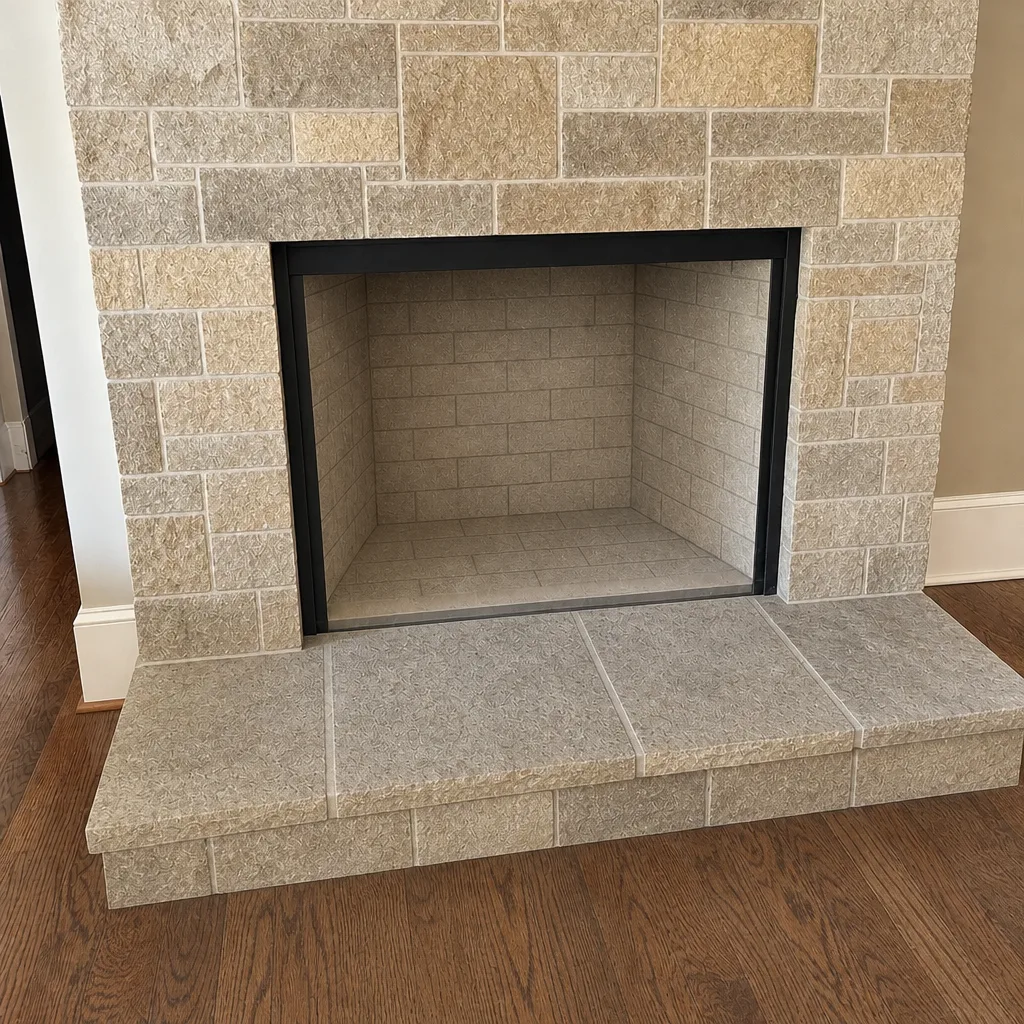
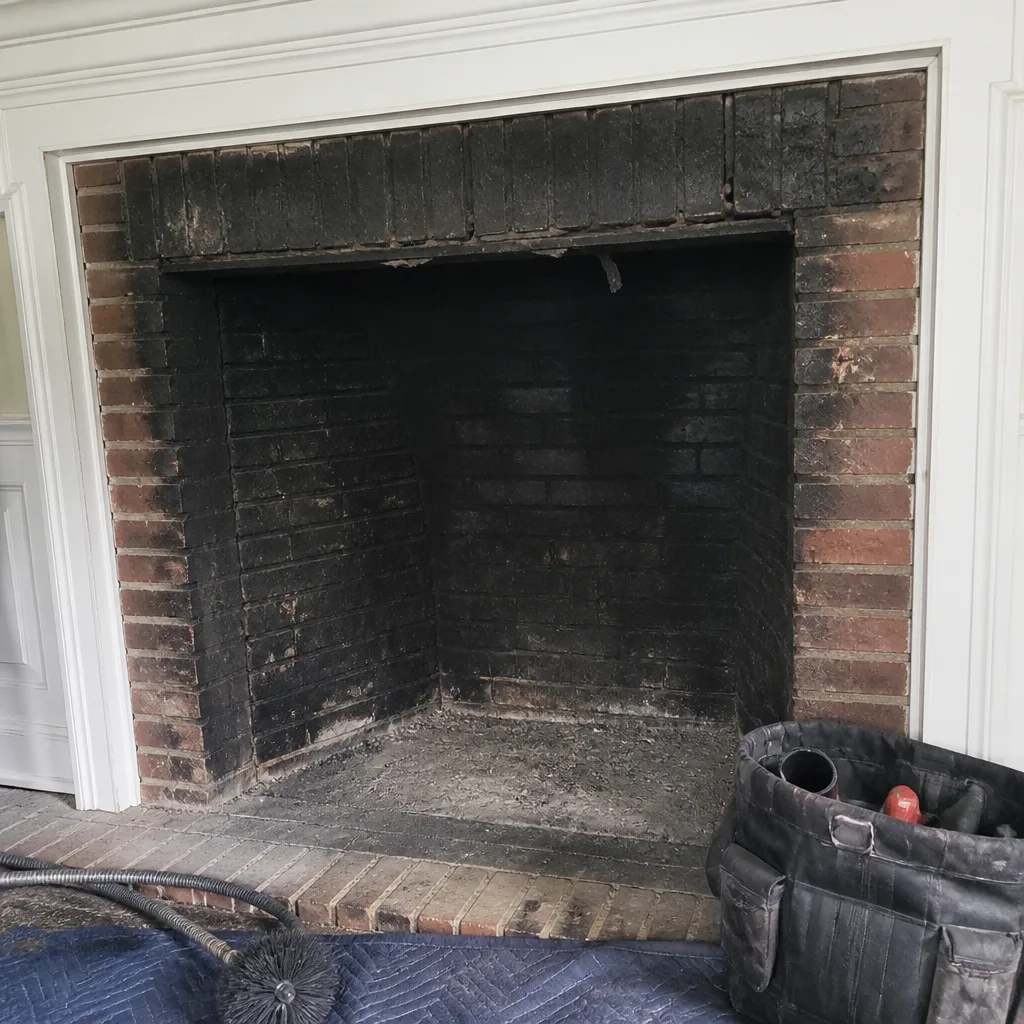
See the difference
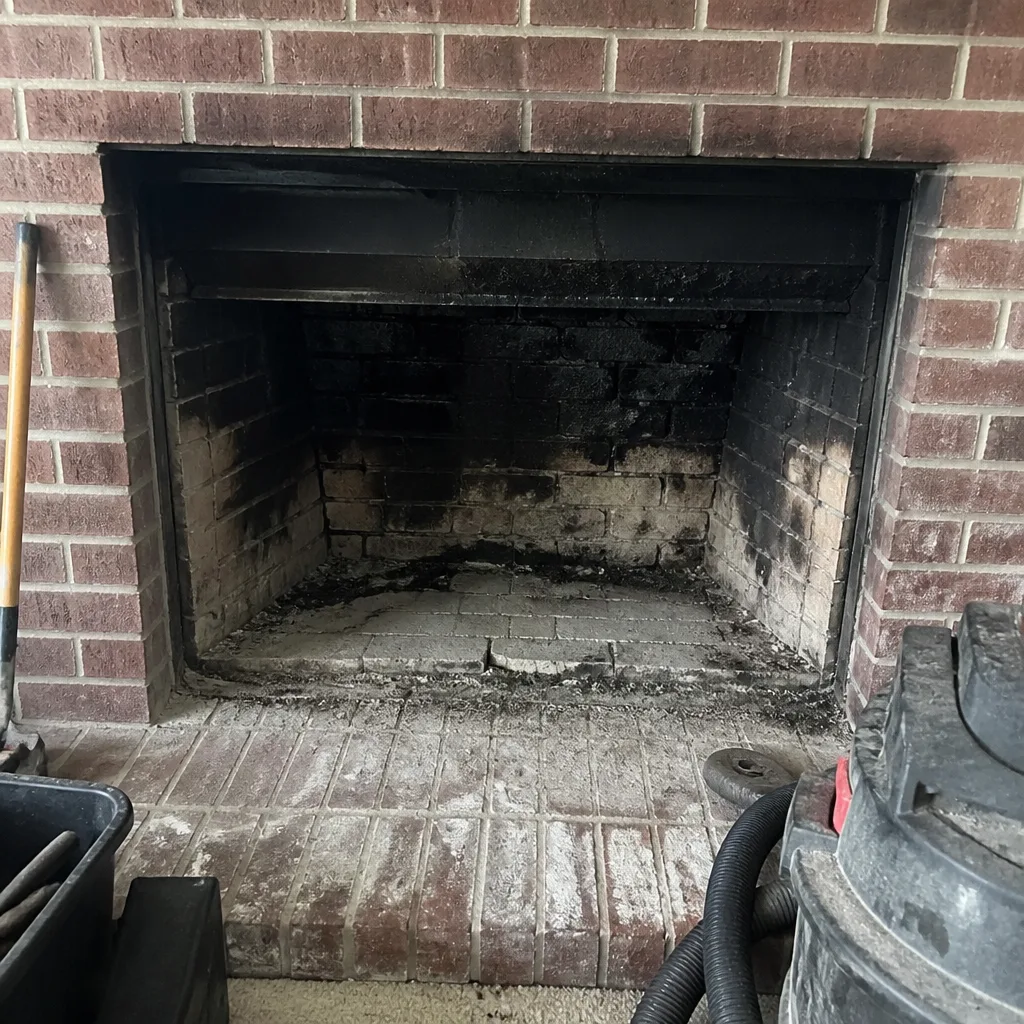 Before
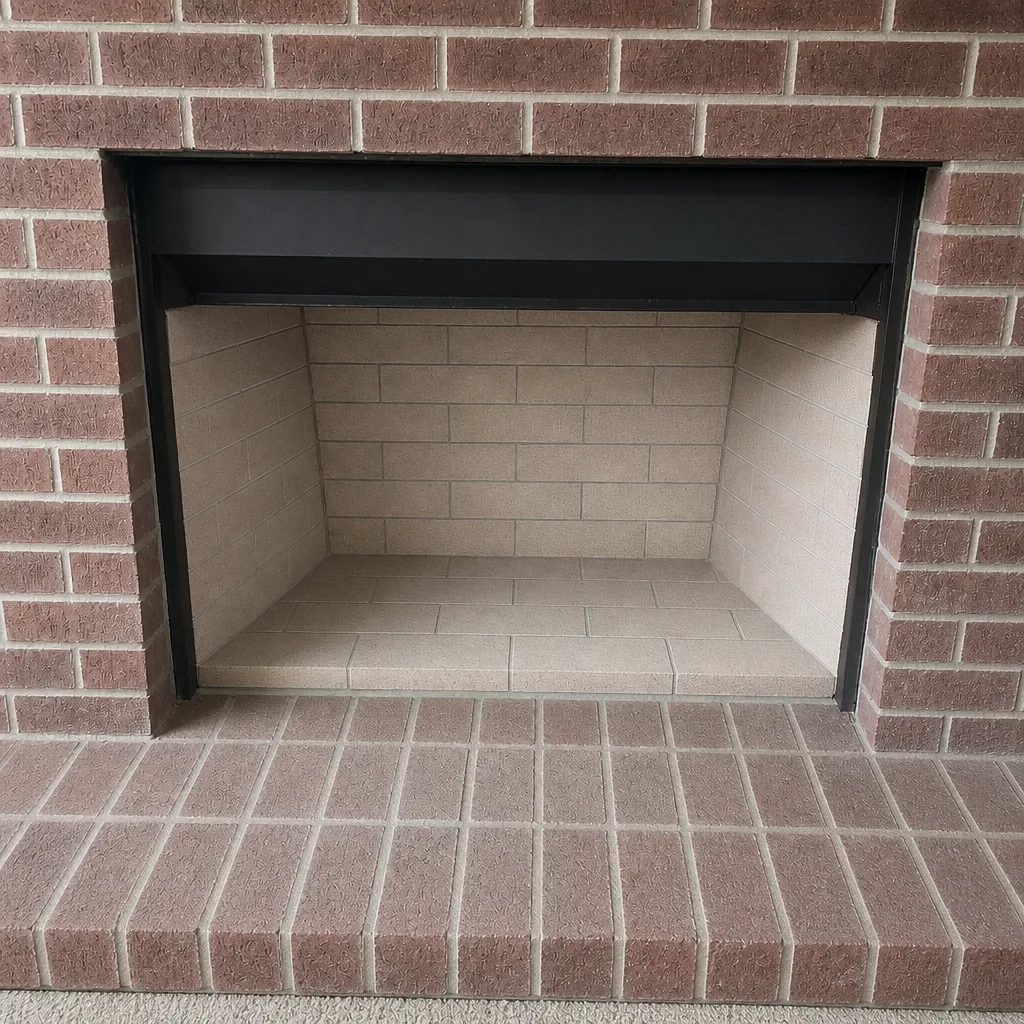 After
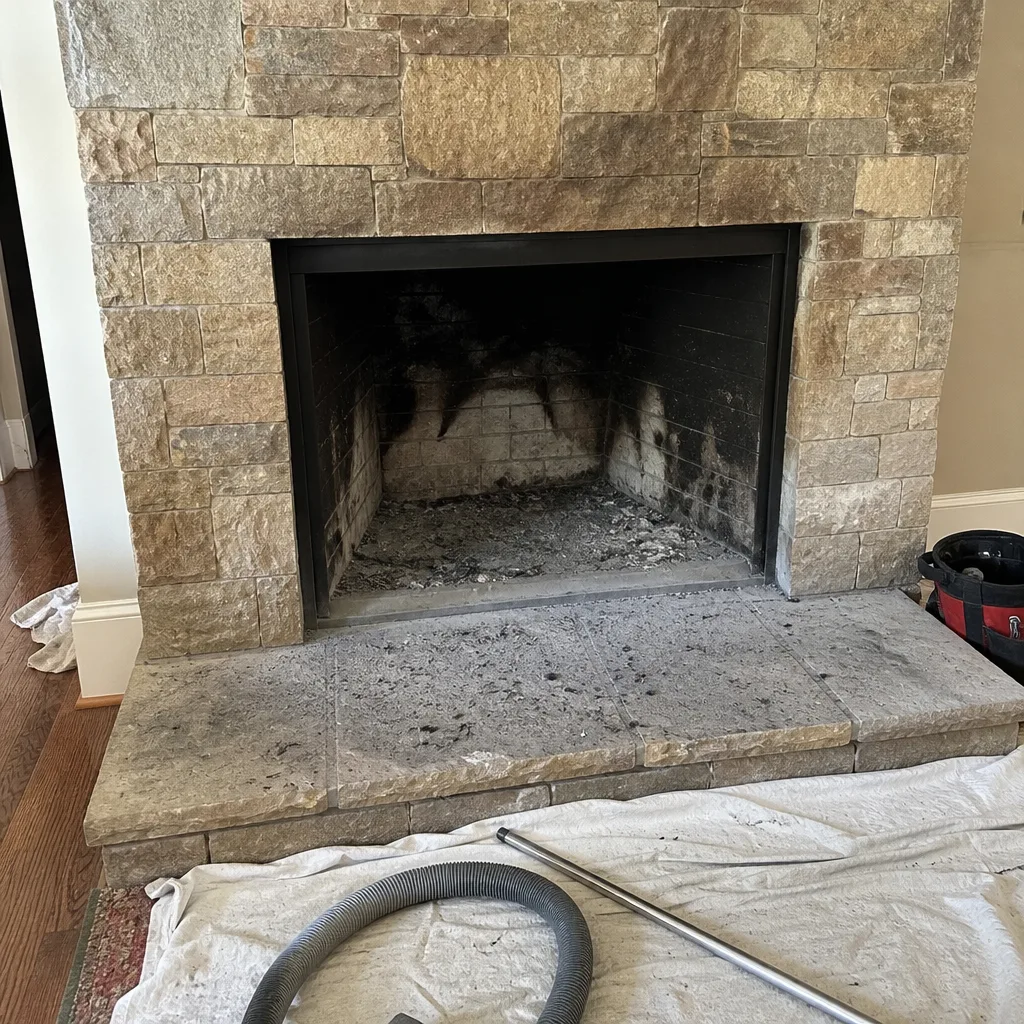 Before
 After
 Before
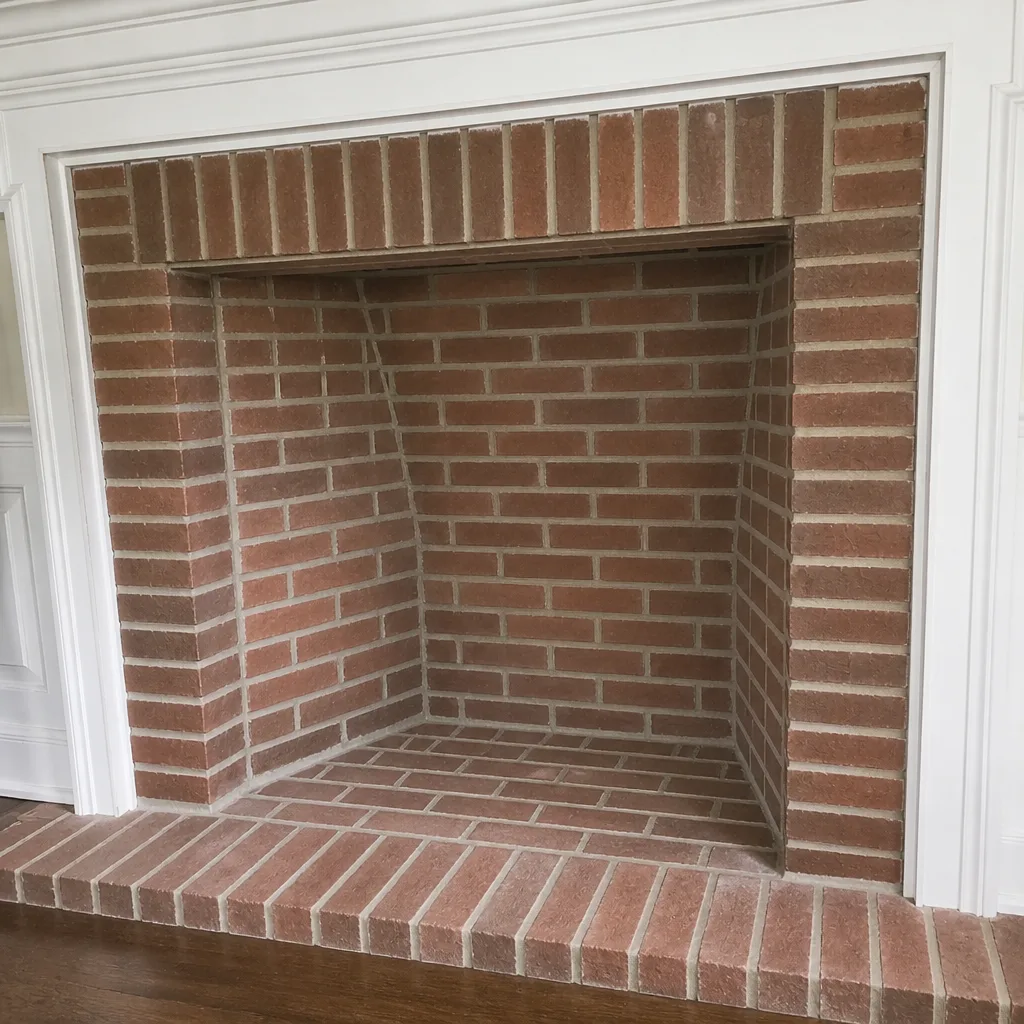 After
When to Call a Professional
Some things can wait for the annual visit. Others can’t. Call us when you see obvious signs of spalling mortar or a crumbling crown; when the damper won’t seal or the firebox has deep cracks; when smoke backs into the room on a normal fire; after any chimney fire, even a small one; after a storm that may have damaged the crown or flashing; or when you’re buying or selling a home in Brier Creek, where a Level 2 inspection is often part of the process. And you should call for the standard annual sweep and Level 1 inspection once a year, ideally in July or August. Our technicians have up to 10 years of experience in reading exactly these signs, and we can work with your insurer on documented findings if that becomes necessary.
Chimney Sweep Brier Creek offers free estimates in Brier Creek. Call (866) 937-8959 and we’ll help you get the work scheduled.
Frequently Asked Questions
Annually is the baseline for most homes, but in Brier Creek the right interval depends on how much you burn and what you burn. A homeowner burning seasoned oak through the winter can usually stay on an annual sweep. A homeowner burning pine or unseasoned wood, or burning heavily, may need to be swept more than once a year. When the flue shows a heavy, glazed deposit, shorten the interval. Call (866) 937-8959 to book the appointment that matches your actual burning habits.
July and August are ideal. The summer is the quiet stretch for chimney work in Brier Creek, so appointment availability is wider and the inspection can take its time. More importantly, if the inspection turns up a repair, you still have time to fix it before the first fire of the season and before the fall booking rush starts tightening in September. Call (866) 937-8959 to get on the summer calendar.
A Level 1 is the annual baseline that covers the readily accessible parts of the system. A Level 2 is more thorough, includes a video scan of the flue interior, and is required when buying or selling a home, changing fuel type, or after a chimney fire or major storm. A Level 3 is reserved for when a hidden problem needs part of the chimney opened up to see. When in doubt, call (866) 937-8959 and we’ll tell you which applies to your situation.
Not every liner problem needs a full replacement. This is one of the questions we hear most, and the honest answer is that a damaged liner can often be restored using HeatShield, the ceramic resurfacing system, which is an alternative to full relining and is backed by a manufacturer warranty. A new liner is the right call when the old one is beyond resurfacing. The only way to know is an inspection. Call (866) 937-8959 for an honest assessment.
Check the damper for smooth operation, the firebox for deep cracks, and the glass doors for soot buildup. From the ground with binoculars, look for a missing cap, a cracked crown, or chalky white staining on the brick. Don’t climb onto the roof or into the flue – those checks need a trained professional. If the annual visit turns up a problem, note any symptoms you’ve seen and bring them to the technician. Call (866) 937-8959 to schedule the annual inspection.
Yes. Seasoned hardwood like oak burns hot and relatively clean, while pine and unseasoned wood produce more creosote. If you burn a lot of softwood or “green” wood, your flue can accumulate deposit faster and you may need to sweep more often than annually. On the other hand, a steady diet of dry oak can keep you comfortably on an annual schedule. When in doubt, call (866) 937-8959 and we’ll match the interval to your habits.
The Bottom Line
Chimney maintenance in Brier Creek is a calendar, not a checkbox. The annual sweep and Level 1 inspection are the anchor, and July or August is the right time to book them because the fall rush makes everything harder. Between visits, the humid summer and the hardwood winter do different kinds of work on your chimney, so a spring moisture check and a look at the crown and cap matter as much as the sweep itself. When an inspection turns up a repair, from a liner that can be resurfaced with HeatShield to a cap that needs replacing, handle it before the season, not after. And when the calendar calls for a professional, call one.
Call (866) 937-8959. We answer 24/7. Fast dispatch from 7am to 7pm, Sunday through Friday. Estimates are free, and our technicians have up to 10 years of experience reading your chimney’s condition.
Written by the team at Chimney Sweep Brier Creek.