
Last updated November 24, 2026
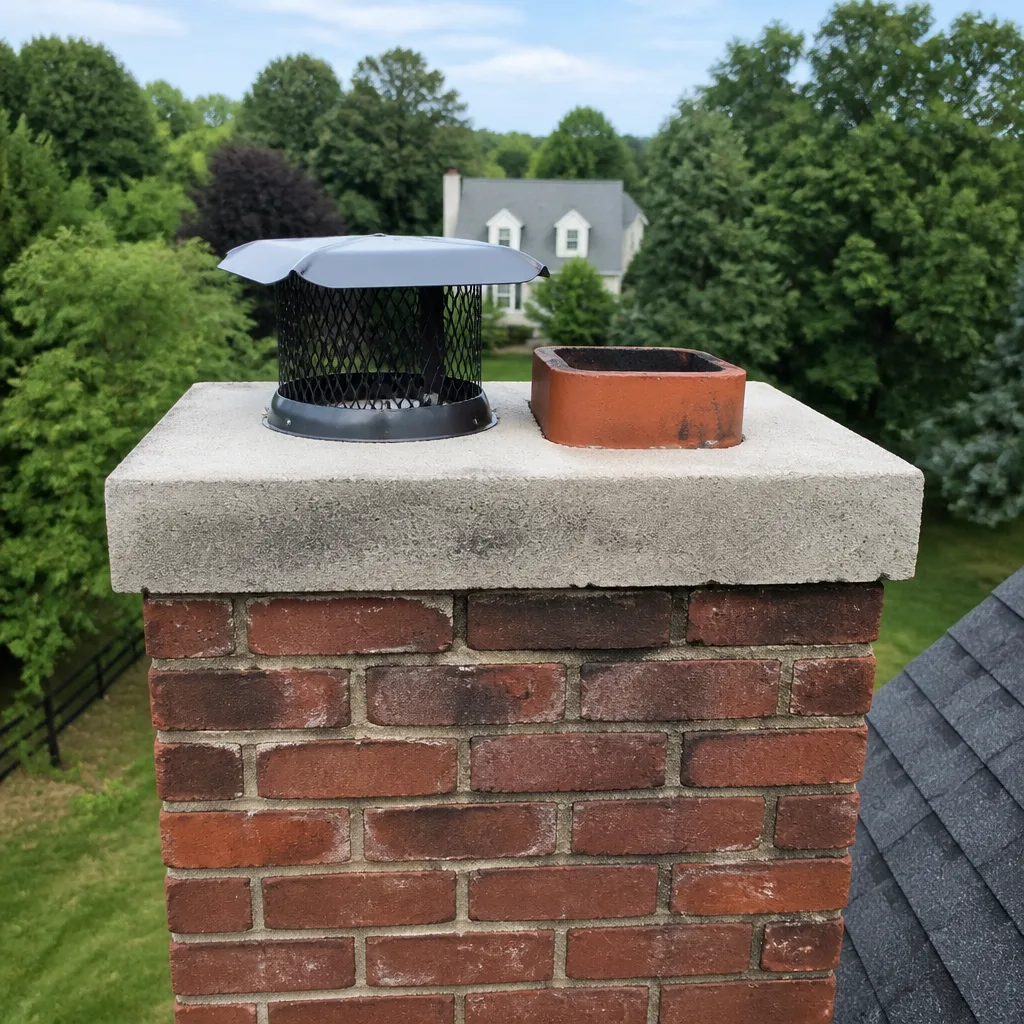 Sweep & inspection
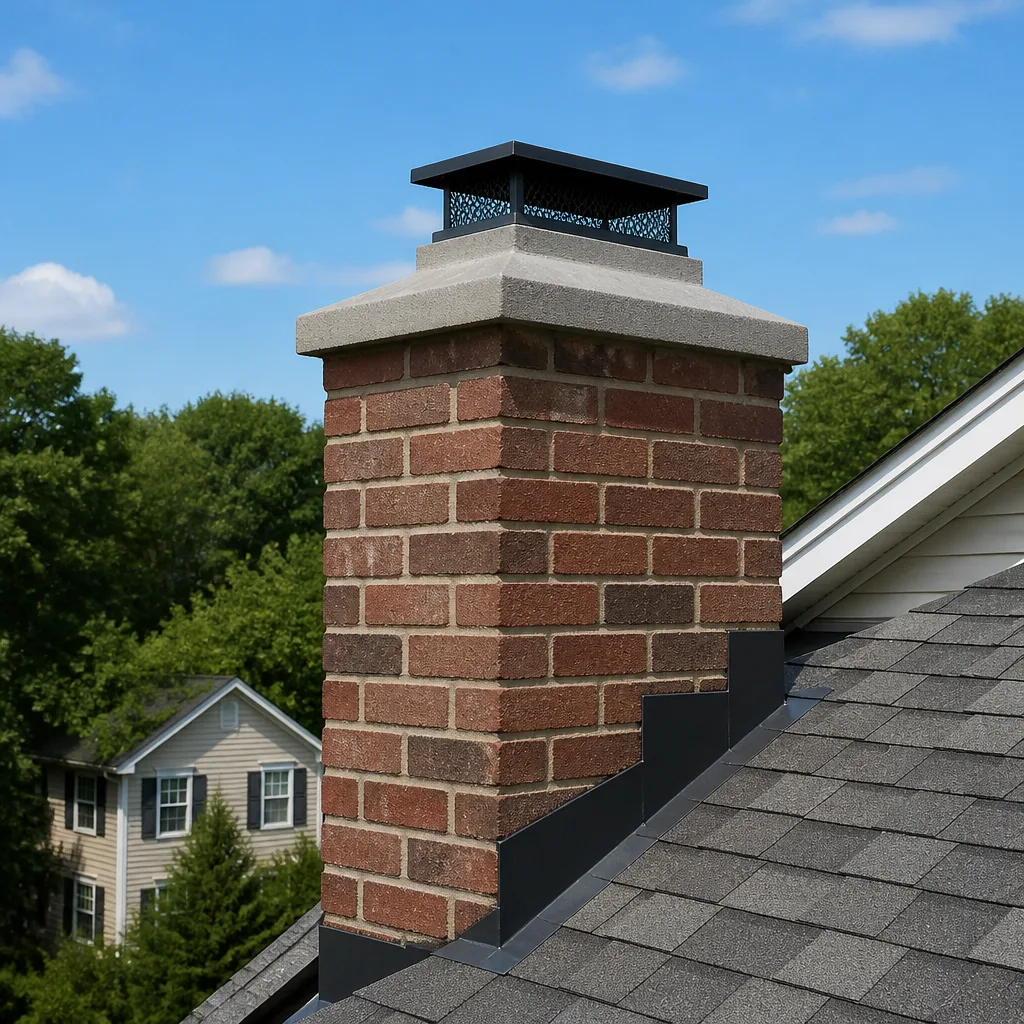 Caps & crowns
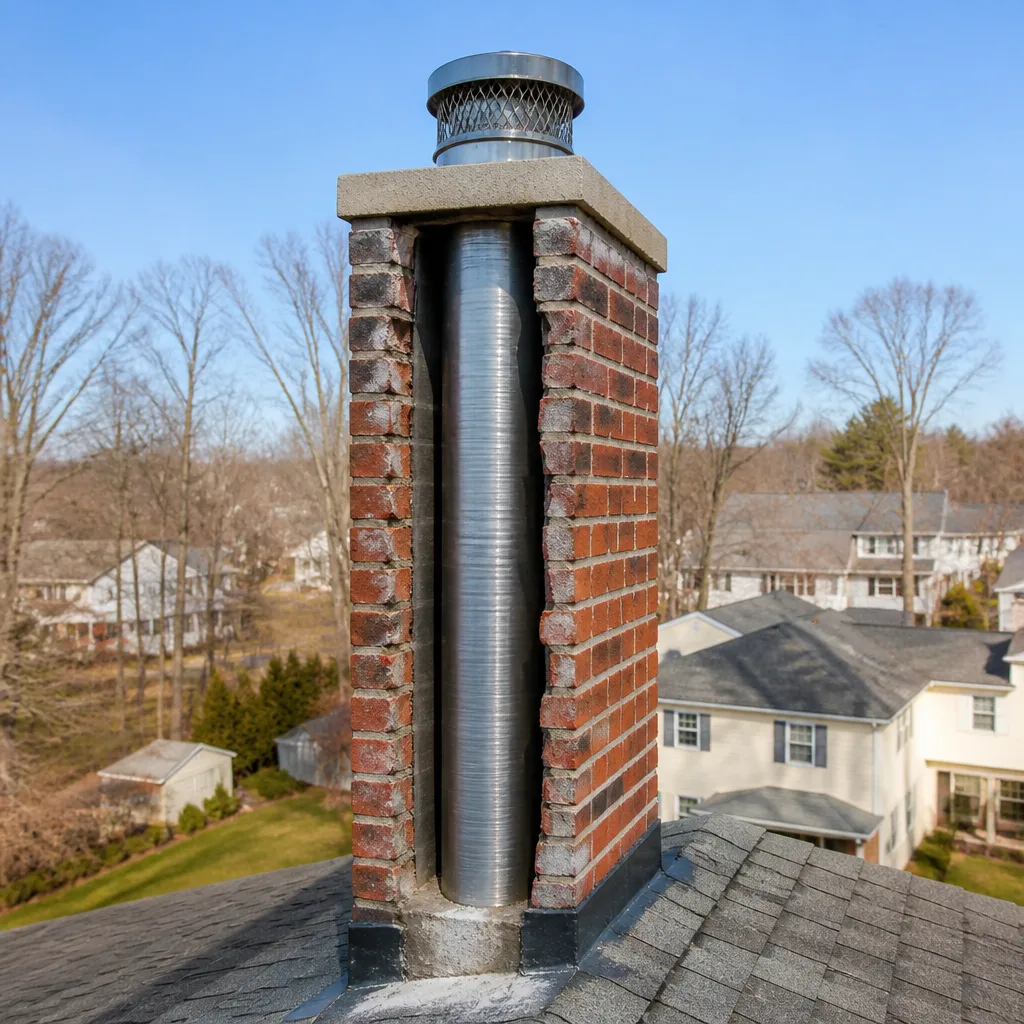 Flue relining
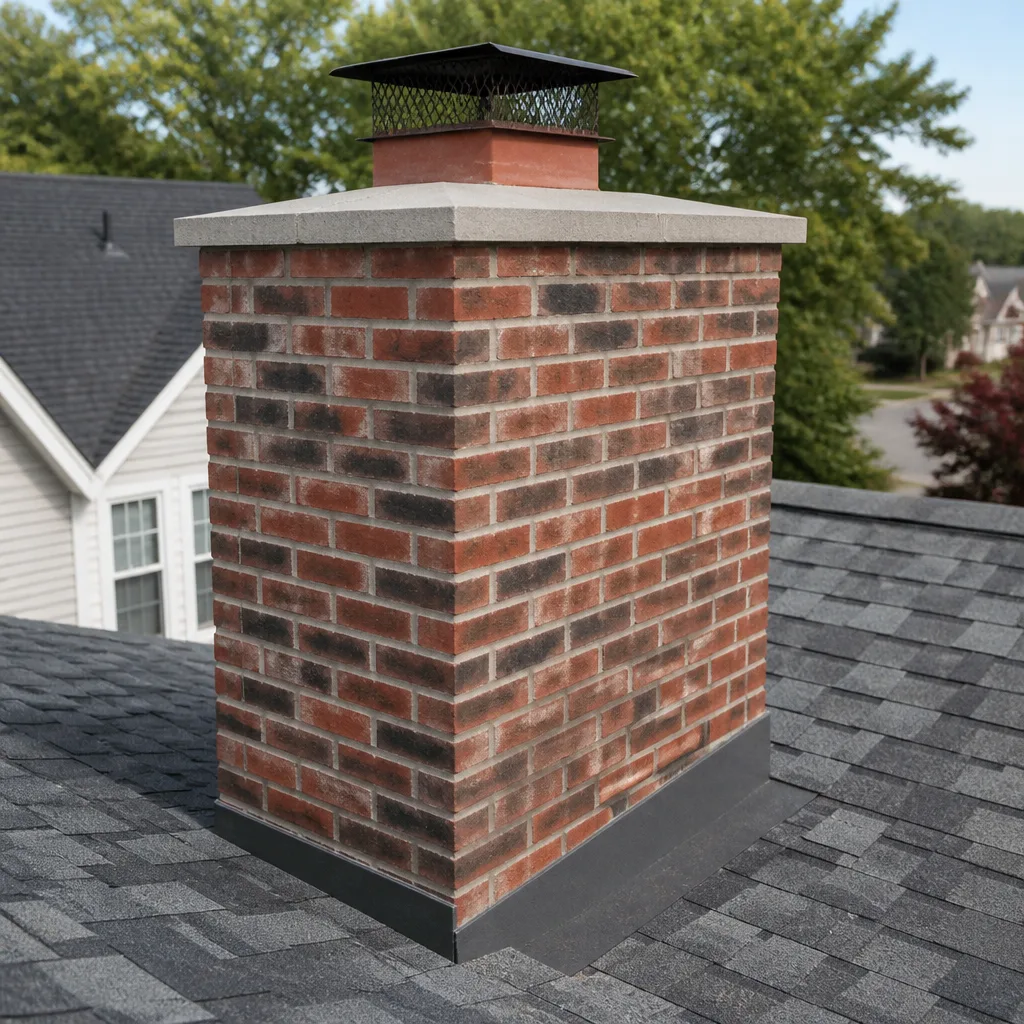 Masonry repair
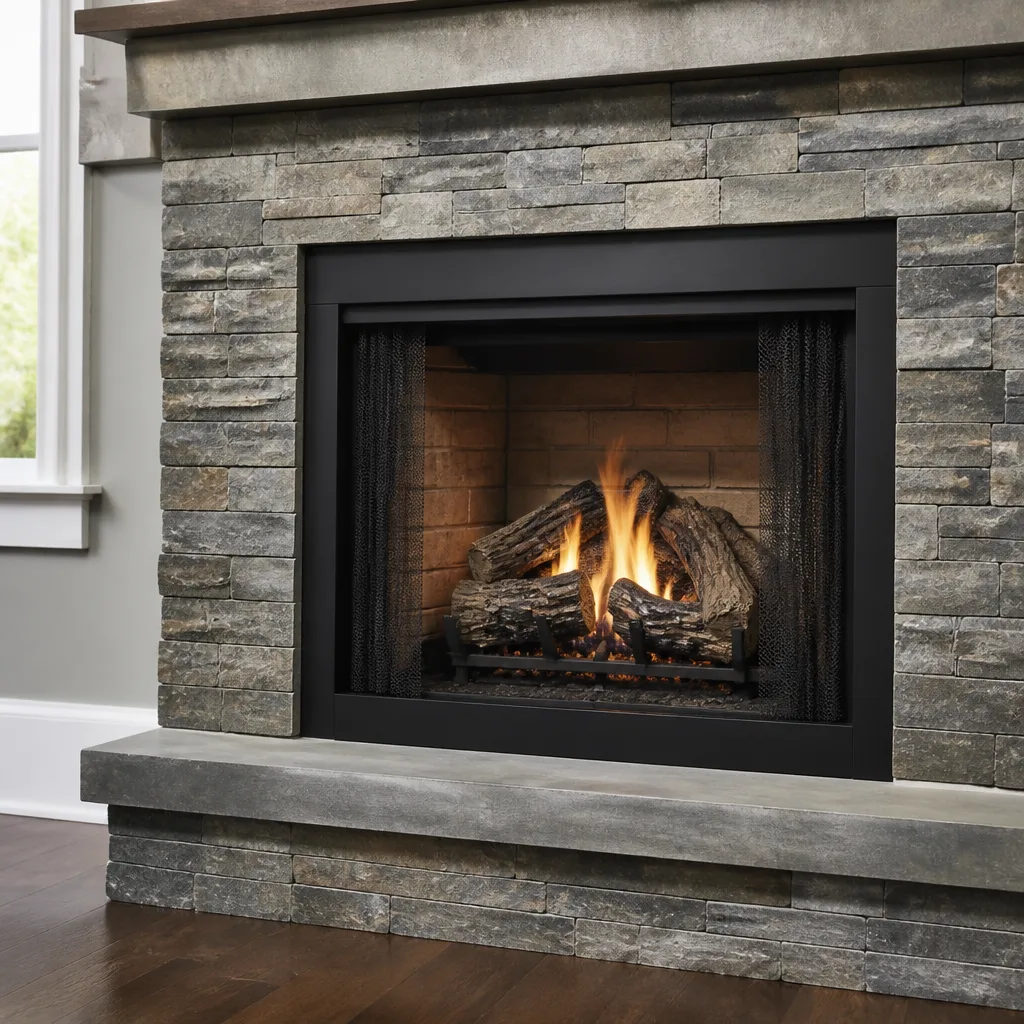 Gas fireplace service
Level 1 sweep and inspection to the NFPA 211 annual standard - flue, crown, cap, and flashing checked and photographed
Chimney sweep logs do not sweep chimneys. They loosen some creosote - which then falls where a brush and vacuum still have to collect it.
Chimney Sweep Troubleshooting in Brier Creek: Common Problems and How to Fix Them
A smoky fireplace and a cold draft feel like two different problems. They’re usually the same one misread twice. In Brier Creek, where a lot of homes were built with prefab fireplaces and short exterior chimneys, the smoke rolling into the room and the cold air pushing back down the flue often trace to a single cause: the chimney isn’t drafting, and everything downstream is a symptom. Homeowners spend money on dampers, grates, and glass doors chasing the symptom while the real issue sits in the flue. This guide shows you how to read your chimney’s actual failure signals, tell one problem from another, and know what a proper trade-level diagnosis looks like before you pick up the phone.
Quick Answer
Most chimney problems in Brier Creek come down to one of four causes: a blocked or undersized flue, negative pressure in the house, a cracked liner, or water getting into the masonry. Match the symptom to the cause before you buy anything. A smoky fire points to draft or blockage, a cold draft points to pressure, white staining on exterior brick points to water, and a rough interior surface points to liner damage. A camera inspection tells you which one you’re actually dealing with.
Styles & brands we work with
- Sweep & inspection
- Caps & crowns
- Flue relining
- Masonry repair
- Gas fireplace service
Table of Contents
- Draft Failure vs. Blockage: Telling Them Apart
- What Creosote Stage Are You Actually Dealing With?
- Efflorescence on the Brick: A Waterproofing Problem, Not a Cosmetic One
- Liner Damage vs. Firebox Damage: How to Tell From Inside
- What’s Safe to Monitor Yourself and What Needs a Pro Now
- Moisture Protection: Caps and Crowns as Real Repair
- What a Real Diagnostic Visit Looks Like
- Building an Annual Baseline Before the First Fire of the Season
Draft Failure vs. Blockage: Telling Them Apart
These two problems look identical from the living room and get fixed in completely different ways. Draft failure is a pressure problem. The house is pulling air down the chimney instead of pushing it up, often because exhaust fans, a tight building envelope, or a second flue competing for air are working against the fireplace. Blockage is a physical obstruction: creosote, a bird nest, a collapsed liner section, or a flue that was never sized right for the appliance.
Here’s how to separate them before anyone comes out:
- Light a match test. Hold a lit match near the open damper. If the flame pulls steadily toward the flue, you have draft. If it stands straight or bends back into the room, you have negative pressure or blockage.
- Open a nearby window a crack and relight. If smoke behavior improves immediately, you’re dealing with pressure, not obstruction.
- Check the firebox floor and damper shelf. Fresh soot or ash fallout points toward a downdraft. A clean firebox with a stubborn smoke problem usually points to a partial blockage.
- Listen at the flue. A whistle or rush of air during a fire often signals a restriction the smoke is being forced around.
The fix for negative pressure is usually a top-sealing damper, a taller cap, or a makeup air source. The fix for blockage is mechanical removal: a proper chimney sweep and a camera look up the flue. Getting these two confused is the single most common reason a Brier Creek homeowner pays for the wrong repair first.
Why Brier Creek Homes Are Prone to Draft Problems
Brier Creek sits in the rolling Piedmont, where a lot of homes are tight, well-sealed construction with one fireplace and a clothes dryer venting nearby. Those homes can trap air well enough that the fireplace has nothing to pull from. A chimney that drafts fine in a leaky older house can smoke in a modern one without anything being wrong with the chimney itself. That’s a pressure diagnosis, not a sweep.
What Creosote Stage Are You Actually Dealing With?
Creosote comes in three forms, and the stage determines whether a standard sweep works or whether the liner needs something more. Knowing the difference is what separates a useful conversation with a chimney professional from a guessing game.
- Stage 1: Sooty, flaky creosote. A light dusting or flaky coating that a standard sweep with brushes removes cleanly. This is normal when you burn dry, well-seasoned wood and get an annual sweep.
- Stage 2: Crusty, shiny creosote. Darker, harder, and sometimes tar-like. It usually builds when the fire runs cool or damp, and it takes more mechanical work to remove. A basic brush pass won’t cut it.
- Stage 3: Glazed, hardened creosote. A slick, glassy, hard layer that has essentially baked onto the flue wall. It’s the most combustible form and the most stubborn to remove. Sweeping won’t eliminate it. It can need chemical treatment or, in some cases, a liner restoration.
Stage 3 is where the conversation turns technical. This is where a HeatShield ceramic resurfacing product often comes in. Instead of automatically recommending a full reline, we can restore the liner surface with HeatShield when the structure is sound enough to take it, which is a cost-conscious option many homeowners don’t know exists. The branding matters less than whether the technician can show you the flue on camera and explain the stage clearly. If a company can’t tell you your creosote stage, ask for the photo report.
In Brier Creek, homes with wood-burning fireplaces that burn mostly store-bought bundles or damp wood tend to land in Stage 2 faster than you’d expect. Seasoned firewood and a proper sweep interval make the biggest difference.
Efflorescence on the Brick: A Waterproofing Problem, Not a Cosmetic One
That white, powdery staining on the exterior brick isn’t just a cosmetic thing, and brushing it off won’t fix anything. It’s a sign that water is getting into the masonry and drying outward through the brick face, leaving mineral deposits behind. Left alone, the same water pressure can spall the brick and break down mortar joints. In Brier Creek, where clay soils and freeze-thaw swings work the masonry seasonally, efflorescence is the early signal, not the damage.
What to check on the outside of the chimney:
- Crown condition. The concrete crown on top should slope away from the flue and be intact. A cracked or flat crown lets water pool and funnel straight down into the masonry.
- Cap presence. A proper cap keeps rain out of the flue and stops birds from nesting. If you don’t have one, water is entering the flue itself every time it rains.
- Mortar joints. Recessed or crumbling joints let water into the wall. This is where tuckpointing and crown work belong together.
- Flashing at the roof line. The flashing where the chimney meets the roof is where a lot of efflorescence actually originates.
This is why we treat chimney cap & crown work as its own service category, not a line item tacked onto a sweep. Moisture protection using Gelco, Olympia, and Famco products is the fix for efflorescence, and no amount of cleaning the brick face stops it. If you’re seeing white staining on a Brier Creek chimney, the repair is on the outside, not the inside.
Liner Damage vs. Firebox Damage: How to Tell From Inside
A homeowner can often tell these apart before anyone arrives, and it changes what kind of estimate you should expect. The liner is the flue lining that carries smoke and gases up and out. The firebox is the combustion chamber you see from the room. They fail in different ways.
Signs the Liner Is the Problem
- Smoke rolling back into the room instead of rising (a sign the flue passage is compromised or obstructed).
- A metallic or acrid smell that doesn’t go away after the fire is out.
- Visible cracks, gaps, or loss of surface on the flue wall where you can see it, or a rough passage that catches a flashlight beam unevenly.
- Sheet-metal liners that have pulled away from joints at the seams.
Signs the Firebox Is the Problem
- Cracked or crumbling firebrick on the back wall or floor of the firebox.
- Loose mortar joints between firebrick.
- Rust on the damper or grate suggesting moisture has been sitting in the box.
- Visible gaps where the firebox meets the surround.
From inside the home, you can use a flashlight and a mirror to inspect the firebox closely and see into the flue as far as the damper lets you. What you can’t see is where the real diagnosis happens. Liner cracks hide above the damper, in offsets, and around the smoke chamber. A camera inspection is the only reliable way to know whether the liner needs a DuraFlex flexible liner system installed, whether it can be restored with HeatShield, or whether it’s structurally fine and just dirty. A swept flue isn’t the same as an inspected one, and the difference matters most when a liner is failing.
Why Liner Type Matters for Repairs
Older Brier Creek homes sometimes have clay tile liners that have cracked or separated over time. Retrofit liners, especially where the flue has an offset, need a product that can flex without losing its seal. DuraFlex flexible liner systems are named in the trade for exactly this reason: they’re specified for flue retrofits and offsets where a rigid liner won’t work. When a homeowner asks how to know a liner repair will hold, the honest answer is: ask what product is being installed and what warranty comes with it.
What’s Safe to Monitor Yourself and What Needs a Pro Now
Some things you can watch. Others you shouldn’t touch. Here’s the practical split we use when talking to Brier Creek homeowners.
Safe to Monitor Yourself
- Note when you see smoke behavior change. Keep a mental log of what your fire does on a cold evening versus a mild afternoon. Patterns tell a technician a lot.
- Look at the exterior brick each season. Efflorescence, spalling, or mortar gaps are visible to anyone and worth photographing for the estimate.
- Check the cap. A quick look from the ground for missing screens or debris is fine and useful.
- Watch firebox surfaces. Cracks or crumbles inside the box are worth noting because they change what the inspection should prioritize.
- Track your burning habits. Dry wood burns cleaner. Wet wood builds creosote faster.
Needs a Professional Now
- A strong smell of creosote or smoke lingering in the house after a fire. This can indicate a chimney fire or a compromised liner, and it’s not a wait-and-see.
- Visible damage to the liner or firebox walls that goes beyond a hairline crack. Never attempt the repair yourself.
- Carbon monoxide alarms sounding. This is a safety emergency, and the cause needs a trained technician, not a homeowner with a flashlight.
- Water running visibly into the firebox when it rains. That’s an open path into the masonry, and it gets worse through freeze-thaw.
- A chimney fire, even a small one. Many are quiet and self-extinguishing, but they leave damage that only an inspection catches.
The line is simple: if anything is happening on the inside of the flue, at the liner, or inside the firebox beyond a visible surface worry, get a professional camera inspection. What’s safe to monitor is everything you can see from the room and from the ground.
Moisture Protection: Caps and Crowns as Real Repair
Moisture does more damage to more chimneys than fire does, and it’s the easiest problem to prevent. The crown is the concrete top that slopes away from the flue. The cap sits above that and keeps rain and animals out. When either fails, water gets into the masonry, the firebox, and the flue. That’s the root of efflorescence, spalling brick, rusted dampers, and some liner failures.
A proper crown repair doesn’t mean smearing sealant over a crack. It means rebuilding the slope so water actually sheds, then matching the repair to the chimney’s shape and material. We install caps and rebuild crowns using Gelco, Olympia, and Famco products because those brands are built specifically for chimney moisture protection rather than adapted from some other use. When you’re picking a contractor, ask what cap material is going into the job and why. A generic metal box over the flue works okay for a while; a specified cap matched to the crown is where the durable repair lives.
Waterproofing on the brick face is a complement to cap and crown work, not a substitute. If water is already inside the masonry, sealing the outside just traps it. Fix the entry points first, then seal.
What a Real Diagnostic Visit Looks Like
A real diagnostic visit follows a sequence, and a technician who skips steps is cutting corners you can’t see from the room. Here’s what should happen when a trained chimney technician evaluates a chimney.
- Exterior look first. Cap, crown, flashing, mortar, brick, and stains are checked before anyone goes inside. This often identifies the moisture source.
- Firebox and damper inspection. Firebrick, mortar joints, damper operation, and the smoke shelf are evaluated for cracking, soot patterns, and obstruction.
- Flue camera inspection. A camera runs the length of the flue to identify creosote stage, cracks, gaps, offset condition, and any obstruction. This is where “we recommend a liner” becomes credible or not.
- Draft and pressure test. A smoke test or draft gauge tells the technician whether the chimney is pulling correctly and confirms whether negative pressure is at work.
- Photo report and written estimate. The photos and estimate are yours. If you can’t see the problem, ask why.
- Sweep and document. If a sweep is indicated, it’s done and the resulting condition is documented for your records, which matters if you’re buying or selling a Brier Creek home or filing with an insurer.
That last point matters more than most homeowners realize. A full inspection designed to meet real estate transaction and insurance documentation needs is a different scope than a routine annual sweep, and it’s what buyers and insurers actually ask for. If you’re in a home inspection window, ask for that scope specifically.
Building an Annual Baseline Before the First Fire of the Season
Every chimney problem you can’t diagnose this season is a problem you’ll diagnose next season more expensively. The cheapest form of chimney repair is a baseline inspection done in fall, before the first fire, when a technician can see the flue without a season of creosote and ash in the way. From the firebox to the crown, a baseline gives you a document you can compare year over year.
Here’s what a Brier Creek homeowner should track seasonally:
- Fall: Sweep if you burn regularly, inspect the flue on camera, check the cap and crown, and confirm the damper opens freely.
- Winter: Watch for smoke-back, chimney smells, and any hiss or roar during a fire. Resist the urge to ignore them.
- Spring: Look for efflorescence and spalling after the last freeze, and check the crown for new cracking.
- Summer: The best time for structural repairs like crown rebuilding and liner restoration, because there’s no fire in the way and the weather cooperates with the repair materials.
If you’re starting fresh, the annual Chimney Sweep Brier Creek visit is the anchor that makes the rest of this manageable. A record of what your chimney looked like at each inspection is the single most valuable diagnostic tool a homeowner can have. When a problem shows up later, you’ll know whether it’s new or something you’ve been drifting toward.
Common Mistakes to Avoid
- Sweeping without inspecting. A sweep clears the flue. An inspection finds what the sweep can’t reach. Booking only the sweep and skipping the camera is how liner cracks go unnoticed for years.
- Buying a draft remedy before diagnosing the draft. A top-sealing damper and a cap are excellent fixes when the cause is pressure or a downdraft. They don’t fix a blocked flue. Get the diagnosis first.
- Sealing the masonry before finding the water source. Waterproofing over active leaks traps moisture inside the brick, and freeze-thaw does the rest. Cap and crown repairs come first.
- Burning wet or green wood to save on firewood. In Brier Creek’s damp winters, wet wood drives up creosote quickly and pushes your flue toward Stage 2 faster than dry wood ever would.
- Ignoring the white staining on exterior brick. Efflorescence is the early warning. Spalling and mortar failure come next, and they cost more to fix.
- Accepting a “you need a full reline” without a camera report. If the company can’t show you the problem on camera, ask why. Sometimes a HeatShield restoration is the right answer, and sometimes the liner is fine and just dirty.
- Skipping an inspection because the last one was “fine.” Chimneys change with use. A baseline from last year only stays useful if you keep the baseline current.
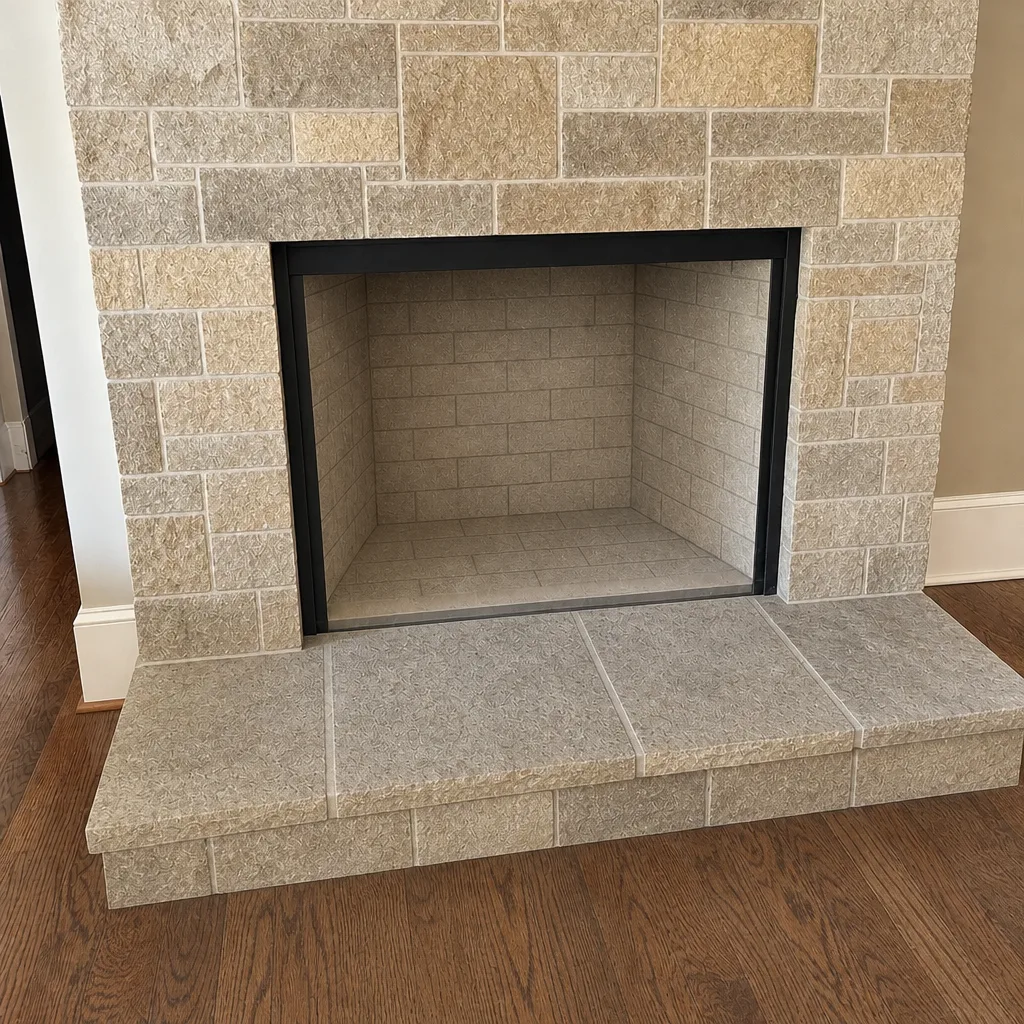
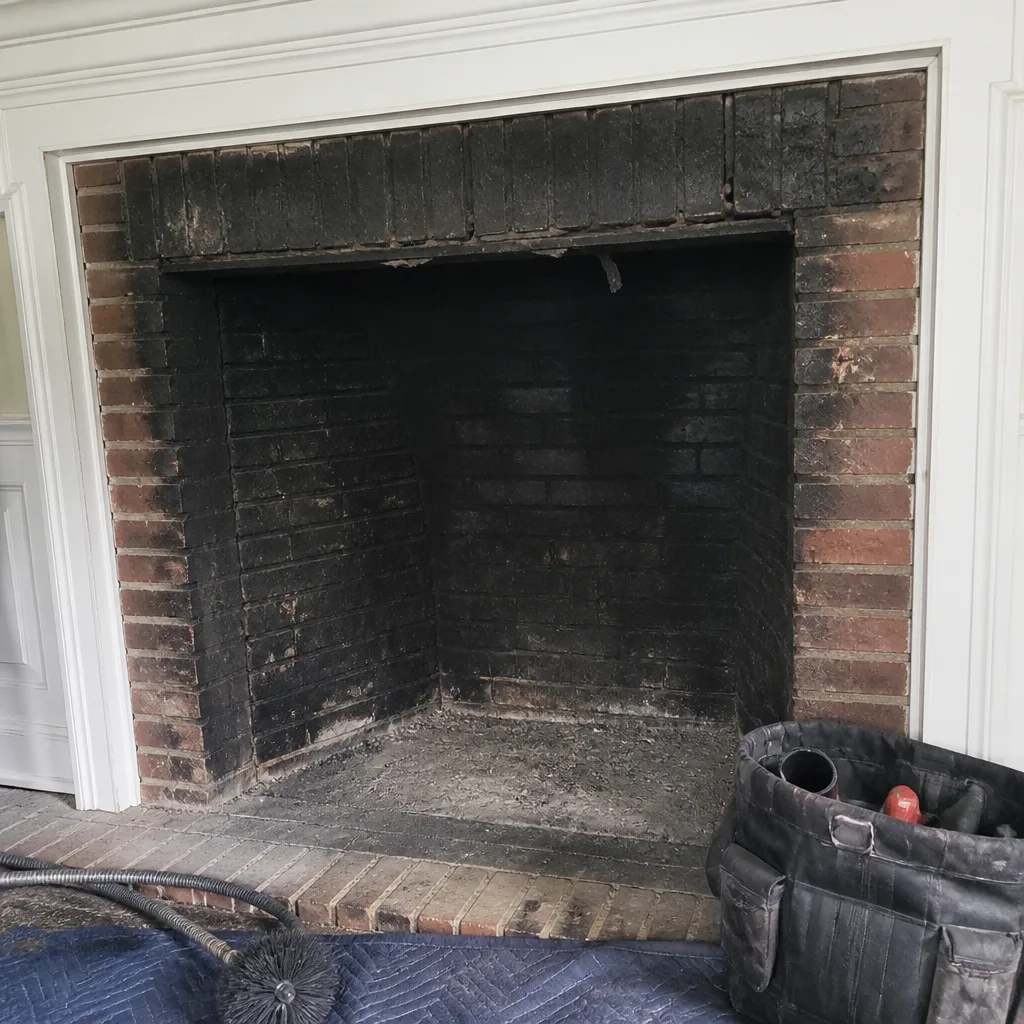
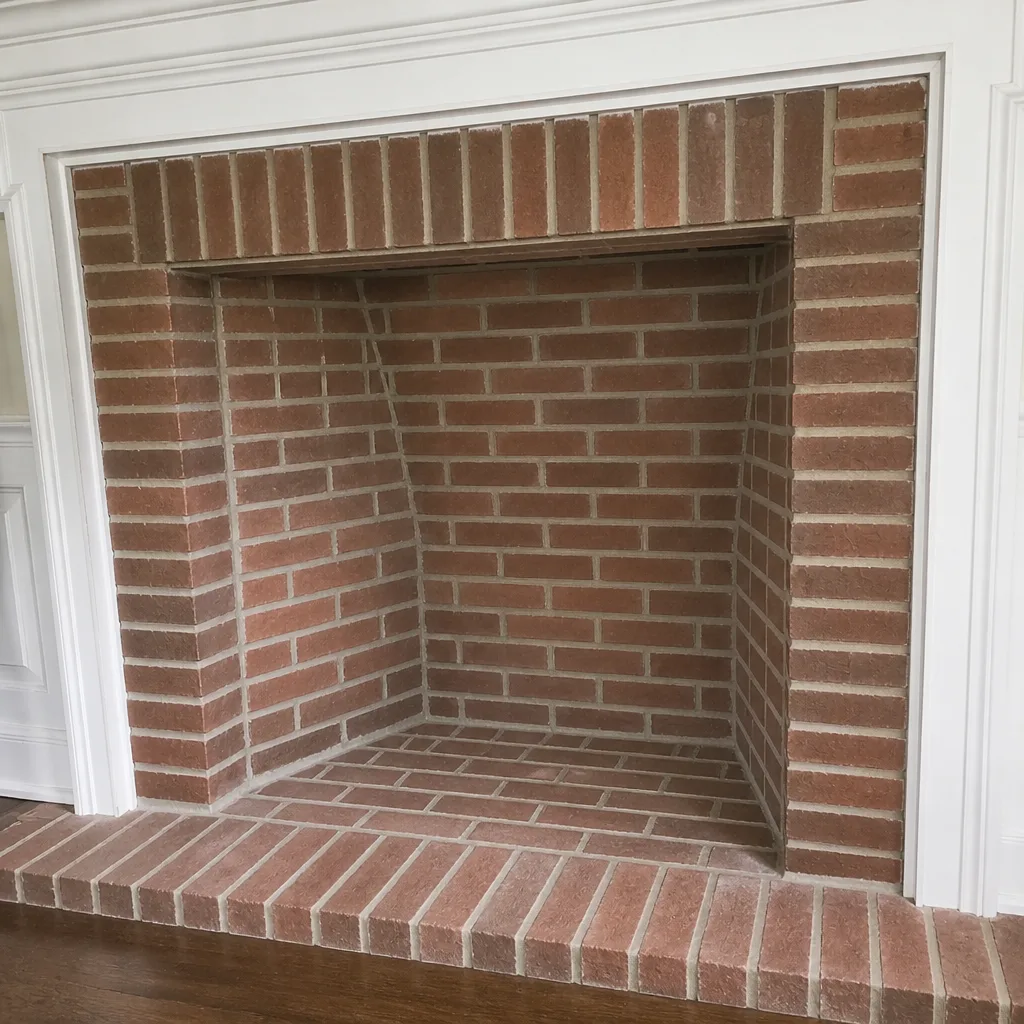
See the difference
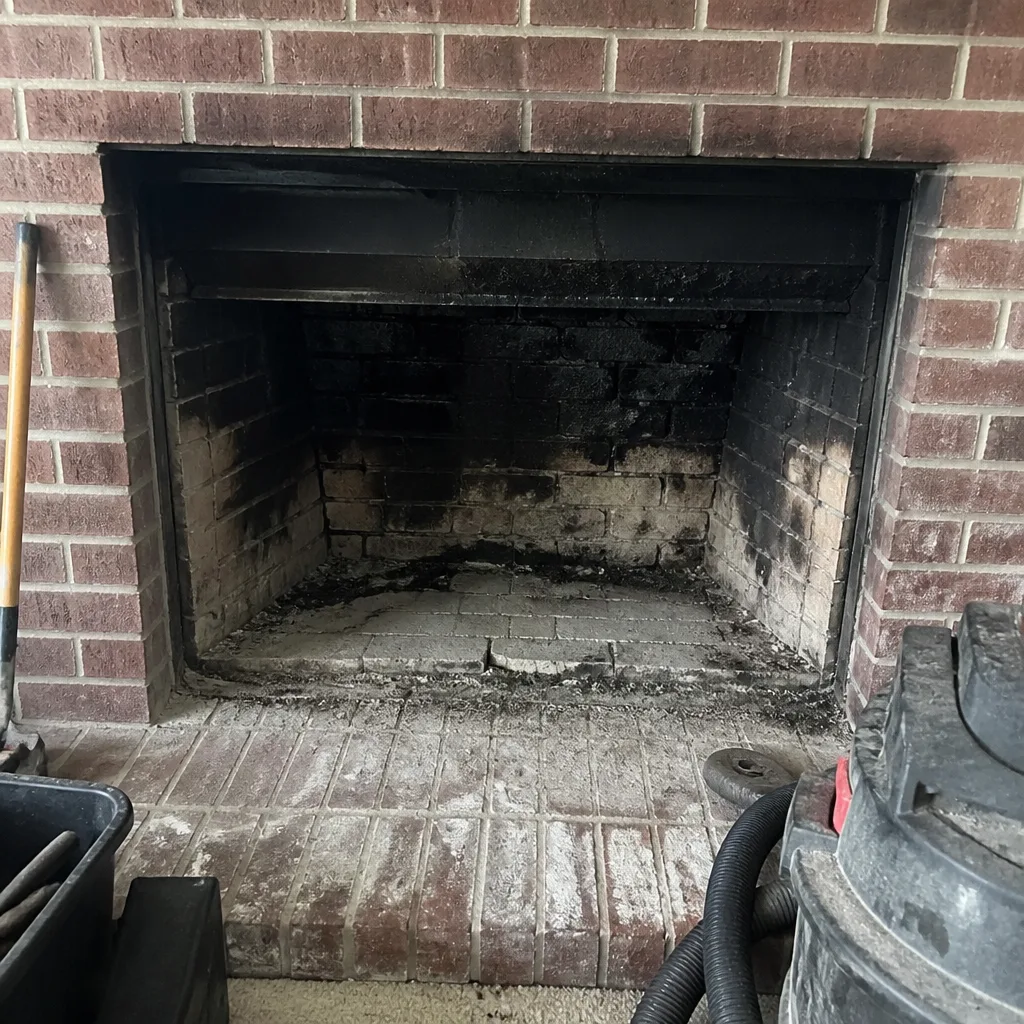 Before
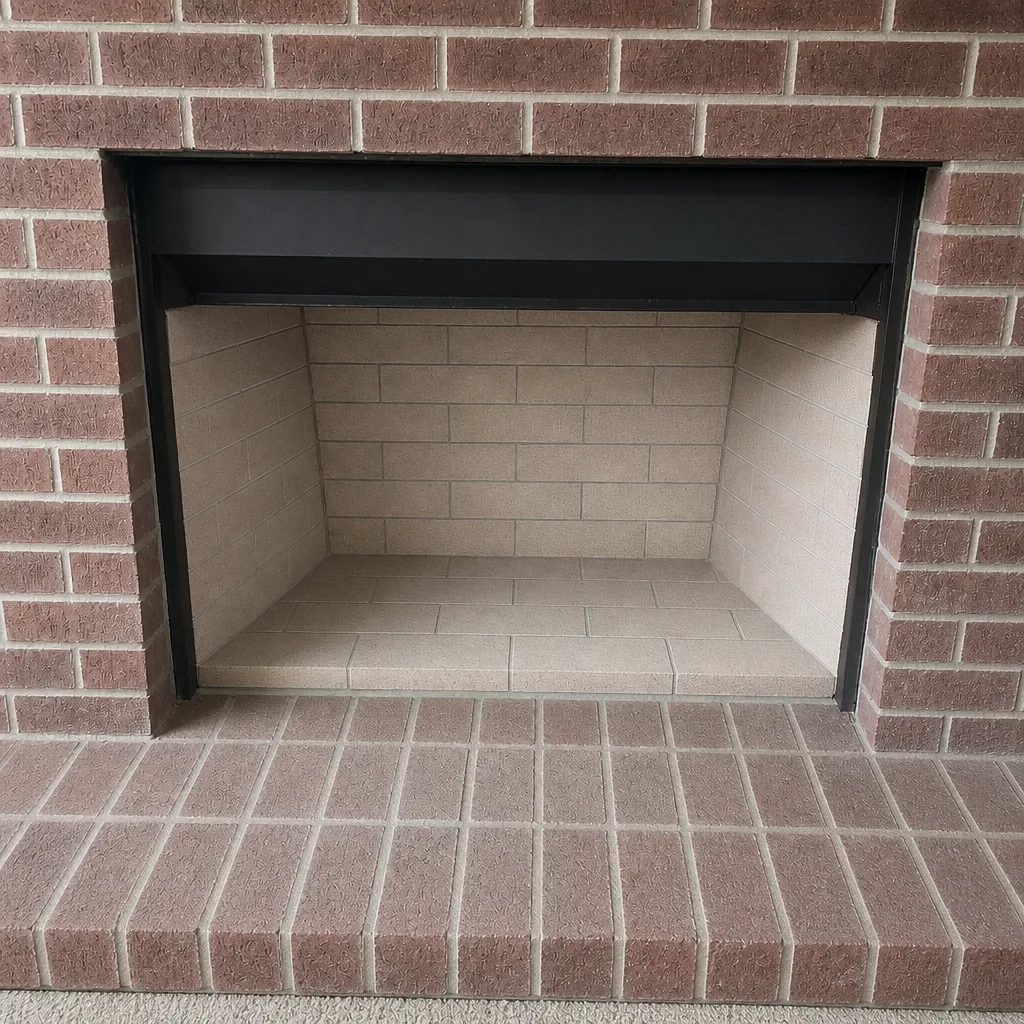 After
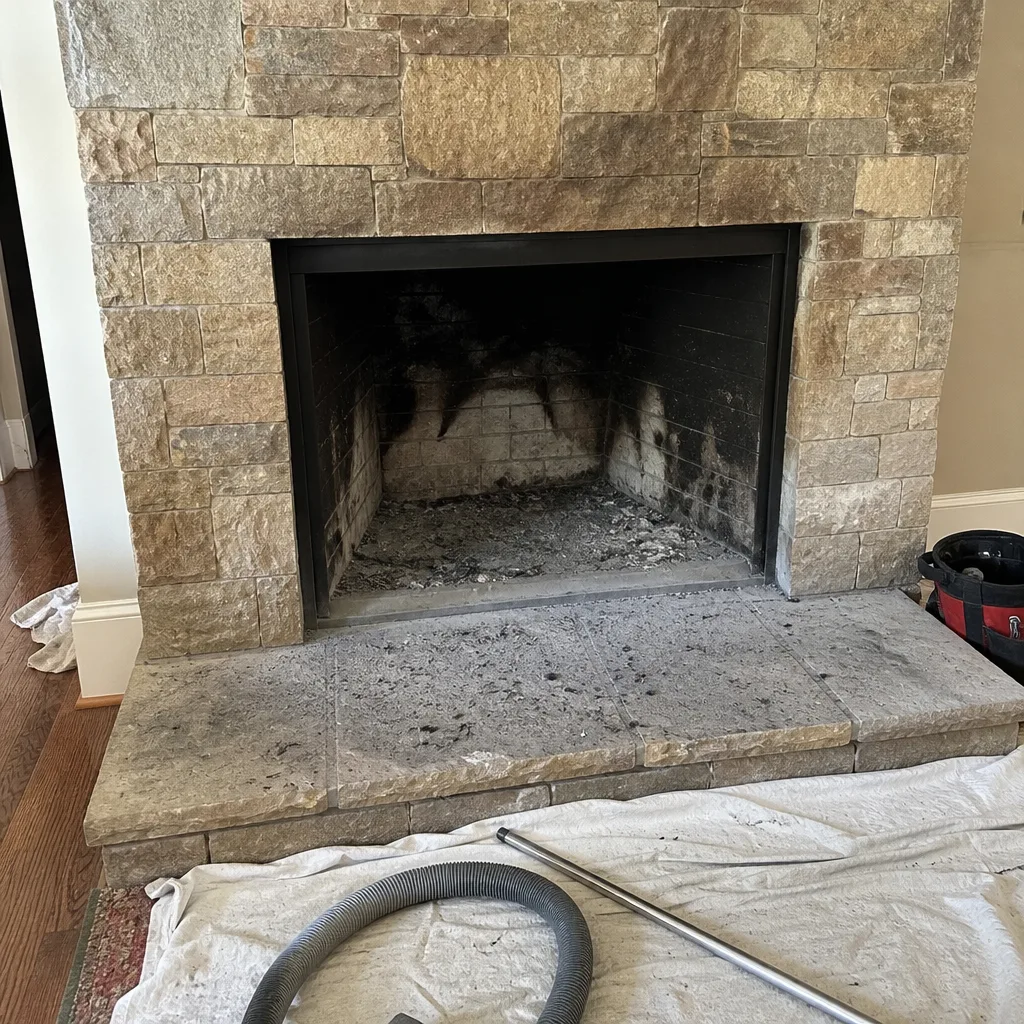 Before
 After
 Before
 After
When to Call a Professional
Call a professional when anything you’ve read here matches what you’re seeing and you can’t confirm the cause from the outside. That includes a smoky fire you’ve tried to fix with dampers and window cracks, visible white staining on exterior brick, creosote you suspect is crusty or glazed, cracks inside the firebox, a cold draft that won’t stop, or a home you’re about to buy or sell where an inspection with documentation is part of the transaction. Chimney Sweep Brier Creek offers free estimates in Brier Creek. Call (866) 937-8959. We answer 24/7. Fast dispatch from 7am to 7pm, Sunday through Friday. Our technicians have up to 10 years of experience, and we specify the right product for the job rather than defaulting to the biggest repair.
Frequently Asked Questions
Intermittent smoke usually points to negative pressure rather than a blockage. The fire drafts fine when conditions are right and reverses when the house is pulling air the other way, often on windy days, cold mornings, or when another exhaust fan is running. A draft test confirms it, and a top-sealing damper or a makeup air solution usually fixes the pattern. Call (866) 937-8959 for an exact quote. Estimates are free.
You can’t reliably tell the stage from the room, because the differences live on the inside surface of the flue. A standard sweep can clear Stage 1, but Stage 2 and Stage 3 need a camera look and often more than a brush. If a technician tells you your stage without showing you the flue, ask for the photo report before you agree to the work. Call (866) 937-8959 for a camera inspection in Brier Creek.
Efflorescence itself is harmless, but it tells you water is moving through the masonry, which eventually does damage. Spalling brick, cracked mortar, and a failing crown follow if nothing is done. The fix is on the outside: cap, crown, flashing, and joints. It’s worth scheduling a look before the next freeze-thaw cycle does the rest. Call (866) 937-8959. We answer 24/7.
You can usually narrow it down. Cracks, crumbling firebrick, and loose mortar in the firebox point to a firebox issue. Smoke-back, acrid smells after the fire is out, and gaps visible in the flue point to a liner issue. What you can’t see is the part of the liner above the damper, where most damage hides. A camera inspection is the only way to confirm. Call (866) 937-8959 for a free estimate.
Often, yes. HeatShield ceramic resurfacing restores a damaged liner when the structure is sound enough to accept it, and it comes with the product’s manufacturer warranty. It’s not right for every liner, but when it fits, it’s a lower-cost repair than a full reline. We’ll show you the camera footage and explain which repair applies. Call (866) 937-8959 for an exact quote.
Sweep annually if you burn wood regularly, and inspect every year regardless. The sweep clears the flue and the inspection tells you what changed since last season. If you’re buying or selling a home in Brier Creek, ask for a full inspection designed to meet real estate transaction and insurance documentation needs, which is a broader scope than the routine annual visit. Call (866) 937-8959 for scheduling.
The Bottom Line
Most chimney problems in Brier Creek trace back to one of four root causes: draft and pressure, creosote buildup, water in the masonry, or liner damage. Chasing the symptom without confirming the cause spends money twice. The right sequence is to read the signal, get a camera inspection, and pick the repair that matches the diagnosis. We repair liners without always replacing them, we handle the full chimney from the firebox to the crown, and we specify products like DuraFlex, HeatShield, Gelco, Olympia Chimney, Famco, and Copperfield for the job in front of us. If a repair can safely wait, we’ll say so.
When you’re ready to get a real diagnostic look at your chimney before the first fire of the season, call (866) 937-8959 for a free estimate. We answer 24/7. Fast dispatch from 7am to 7pm, Sunday through Friday. From a routine fireplace repair to full chimney repair, we cover the full scope without handing you off to a second contractor.
Written by the team at Chimney Sweep Brier Creek.