
Last updated November 24, 2026
 Sweep & inspection
 Caps & crowns
 Flue relining
 Masonry repair
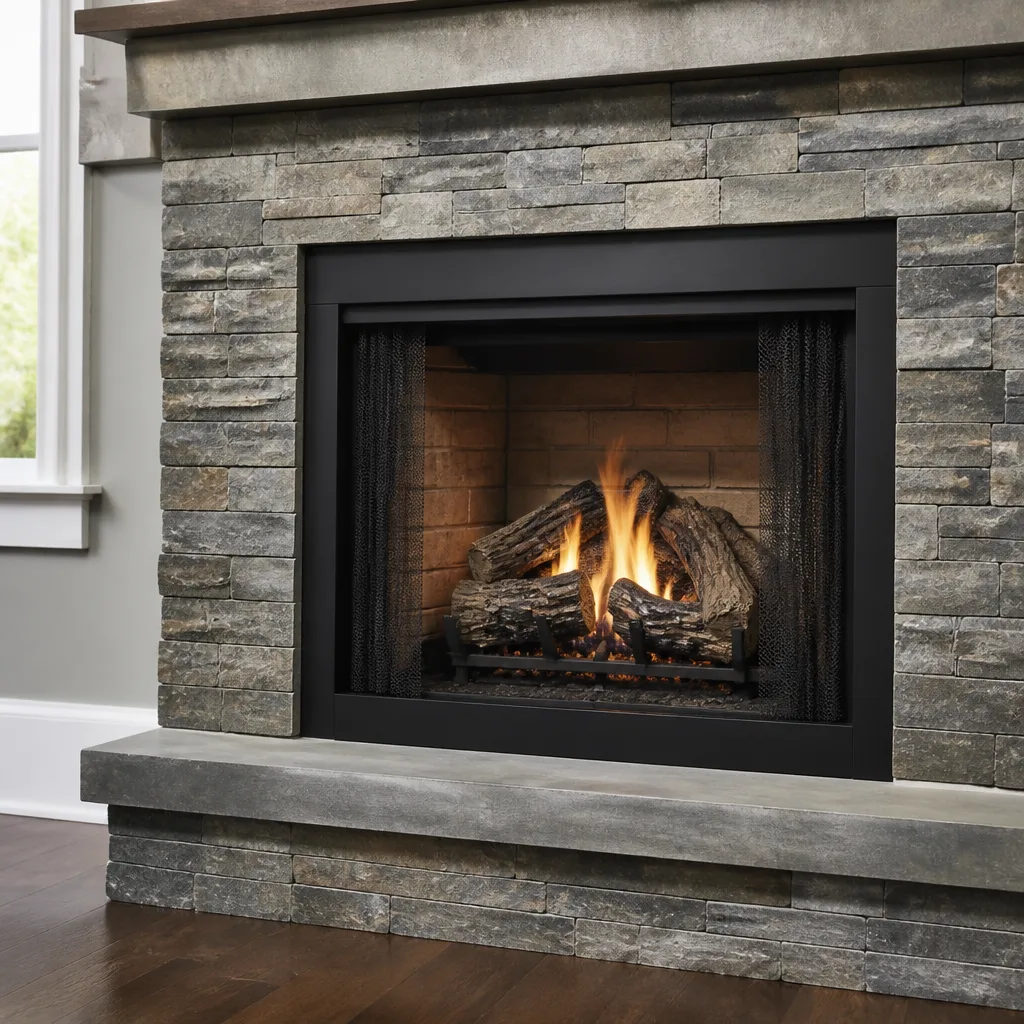 Gas fireplace service
Level 1 sweep and inspection to the NFPA 211 annual standard - flue, crown, cap, and flashing checked and photographed
Chimney sweep logs do not sweep chimneys. They loosen some creosote - which then falls where a brush and vacuum still have to collect it.
Chimney Sweep Maintenance Checklist for Brier Creek Homeowners
A cracked chimney crown is the finding we record most often on chimney inspections in Brier Creek, and it is something a homeowner can spot from the driveway with a pair of binoculars. Most people never look. The crown is the concrete cap at the very top of the chimney, and when it hairline-cracks, water runs straight into the masonry below it, quietly, for years. That single oversight accounts for more chimney damage in this part of North Carolina than fire does. This guide is built around the failures we actually see in Brier Creek homes, sorted into what you can check yourself and what needs a trained sweep on the roof.
Quick Answer
A complete chimney maintenance checklist for a Brier Creek home has two tiers: things you can observe from the ground (cap condition, crown cracks, exterior masonry, damper operation) and things only a credentialed chimney sweep should assess (flue liner integrity, smoke chamber, creosote depth). Schedule a professional sweep and inspection once a year before the first fire of the season, check the ground-level items yourself twice a year, and keep a written maintenance log for insurance and resale documentation.
Styles & brands we work with
- Sweep & inspection
- Caps & crowns
- Flue relining
- Masonry repair
- Gas fireplace service
Table of Contents
- Tier One: What You Can Check From the Ground
- Tier Two: What Requires a Credentialed Sweep
- Cleaning Overdue vs. Structural Repair: Reading the Signals
- Brier Creek Seasonal Triggers Most Checklists Miss
- How to Keep a Maintenance Log Your Insurer Will Accept
- Gas Log Inserts: The Maintenance Items That Void Warranties
- The Annual Checklist, in Order
- Common Mistakes to Avoid
Tier One: What You Can Check From the Ground
Tier one is the part of the checklist you own. None of it requires climbing, and all of it gives you information worth carrying into a conversation with a sweep. Do these checks twice a year: once in early fall before burning season and once in spring after you’ve stopped using the fireplace.
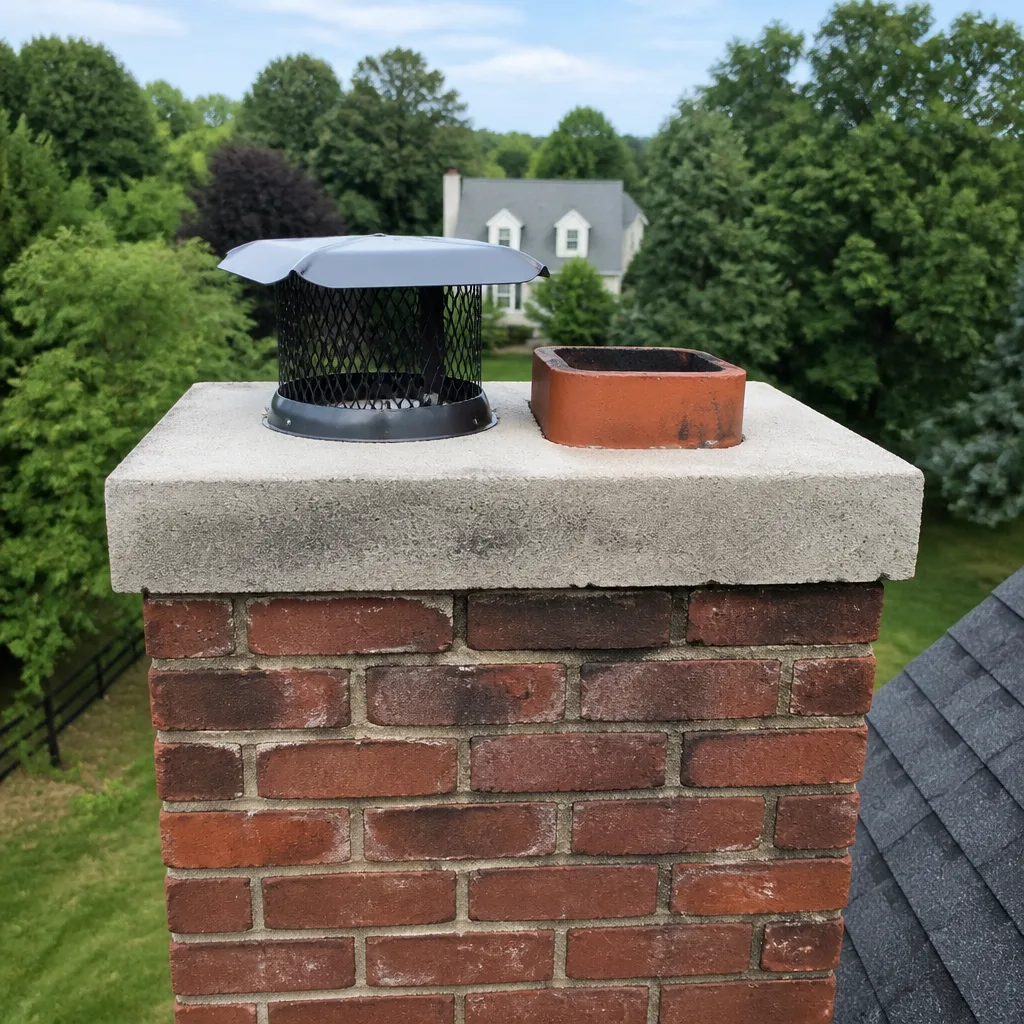
The cap. The chimney cap is the metal or mesh cover over the flue opening. It keeps rain, birds, squirrels, and leaves out of the flue. A missing or rusted-through cap is the most common entry point for water damage in the system. From the ground, look for a cap that is tilted, that has a mesh screen sagging or torn open, or that is simply absent. A cap sitting crooked usually means the mounting has loosened, and that is a repair, not a cleaning issue.
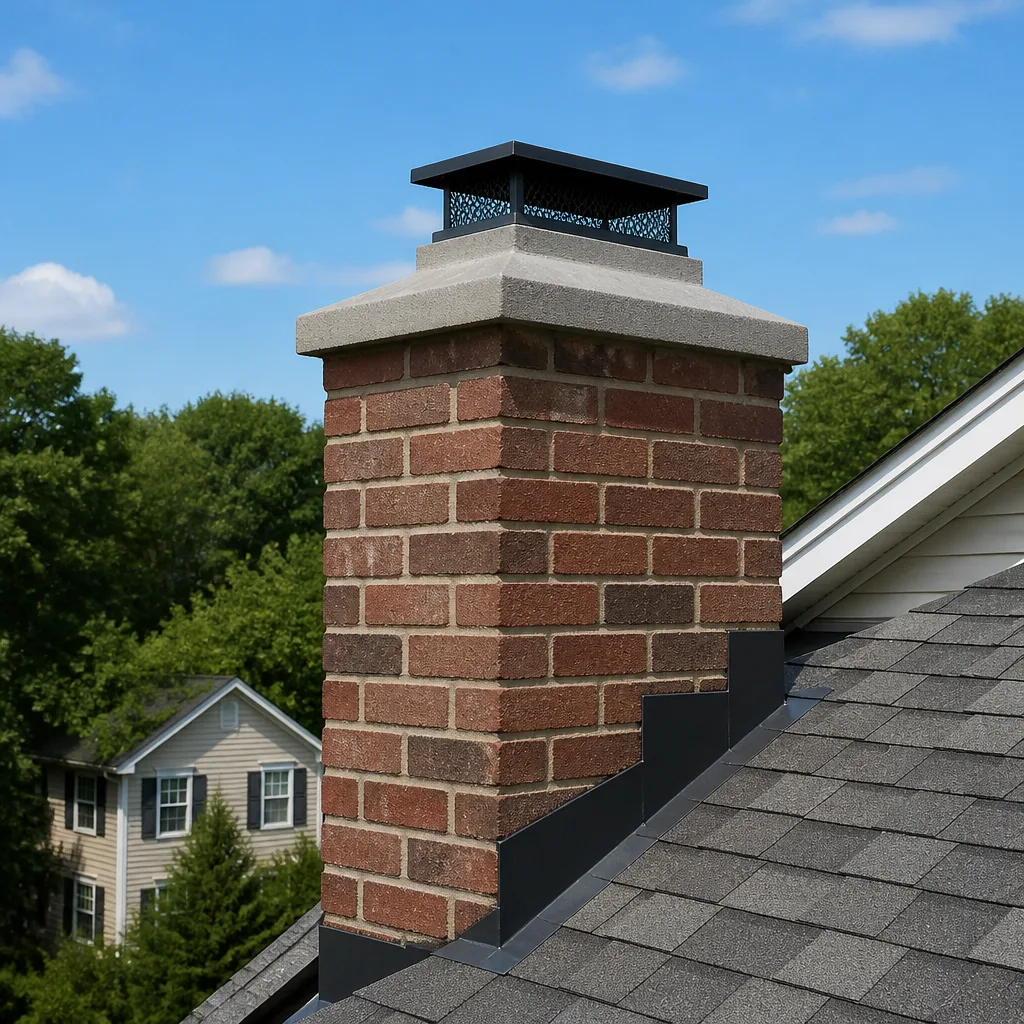
The crown. The crown is the sloped concrete surface the cap sits on. It should shed water away from the flue. Cracks, spalling (flaking concrete), or moss growth on the crown all tell you water is getting in. Even a hairline crack will widen through a few freeze-thaw cycles. Gelco and Olympia Chimney crown products are built specifically for this job, which is why we treat crown work as its own service category rather than an add-on.
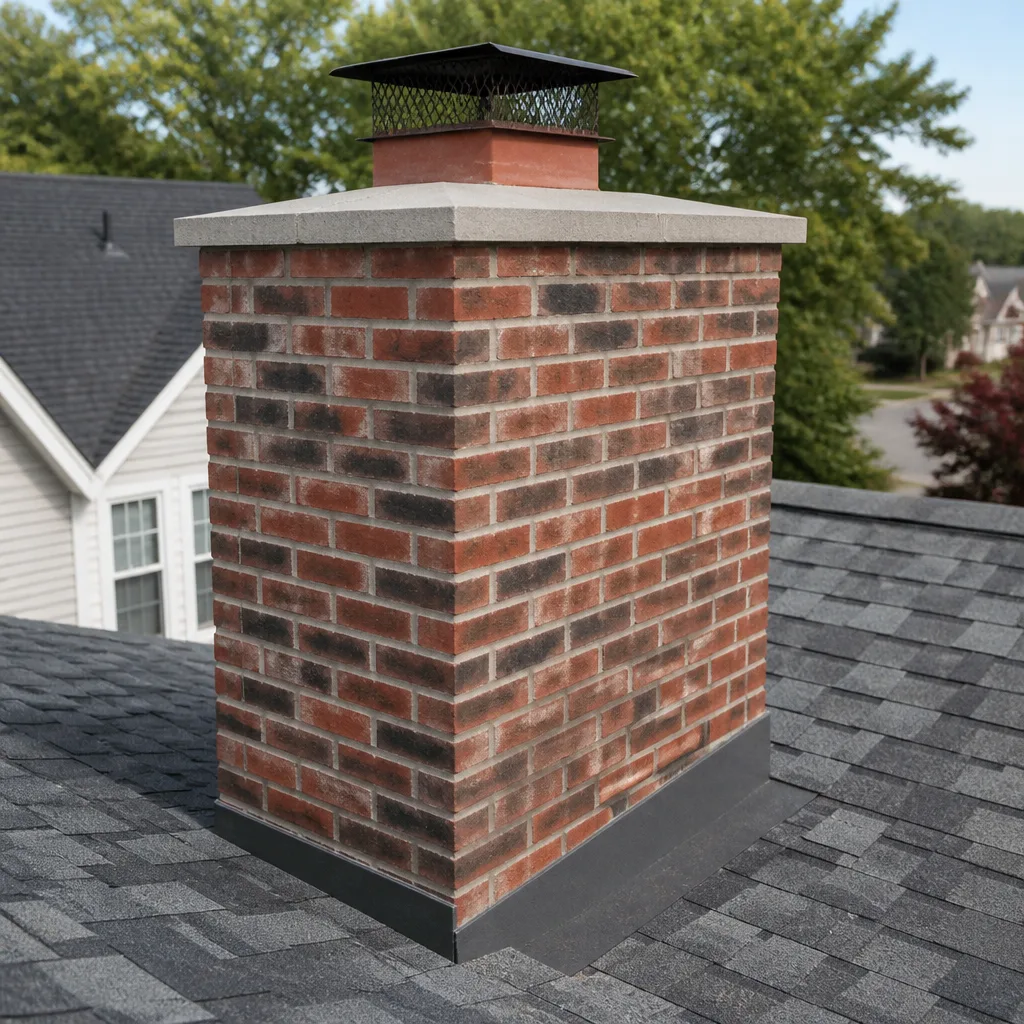
Exterior masonry. Walk the outside of the chimney at ground level and look up the face. White chalky staining (efflorescence) means moisture is moving through the brick. Missing mortar joints, brick spalling, or a lean in the stack all warrant a professional look before the next burn.
What tier one tells you. Every observation here informs the sweep’s assessment. If you can tell us the crown has a visible crack, we know to bring crown materials to the visit. If the cap is missing, we know water may already be inside the flue. A photograph of each item at each check, taken from the same spot, is the simplest documentation you can build.
Tier Two: What Requires a Credentialed Sweep
Tier two is where a homeowner should stop. A swept flue isn’t the same as an inspected one, and neither is something you can verify from the ground. These assessments require training, the right tools, and a view of the flue interior that only a camera and a trained eye can supply.
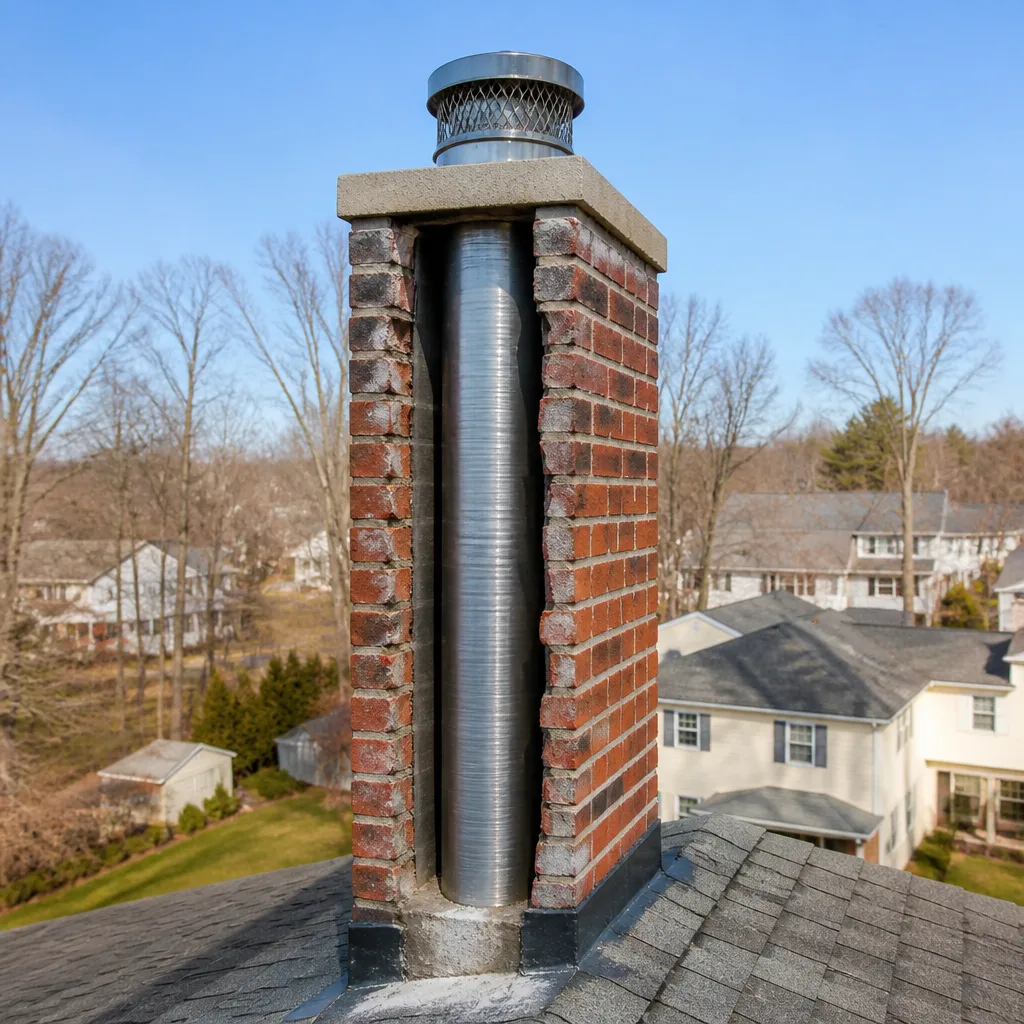
- Flue liner integrity. The liner is the barrier between the hot flue gases and the masonry structure. Cracks, gaps at the joints, or a liner that has separated from the wall all let heat and creosote reach combustible material. This is the single most important safety assessment in the whole system.
- Creosote depth. Creosote is the oily residue from wood smoke, and it builds up in layers. The thicker the layer, the higher the ignition risk. A sweep measures the depth in the flue with a scraper; you cannot estimate it by looking up from the firebox.
- Smoke chamber condition. The smoke chamber is the funnel-shaped area directly above the damper. It is difficult to see, hard to clean, and it is where a lot of glazed creosote collects. Most generalist handymen won’t touch it.
- Damper operation and hardware. The damper needs to open and close freely, sit flush in its frame, and not rattle. A damper that sticks in the open position wastes heat; one that sticks closed forces smoke into the room.
- Appliance connections. If you have a wood stove, insert, or gas appliance connected to the flue, the connector and its seal need inspection too.
- Structural chimney. A structural inspection covers the parts of the chimney from the firebox to the crown and looks for problems beyond cleaning: joint separation, liner failure, and framing contact.
We specify the right product for the job at tier two. If the liner has cracked but is otherwise sound, HeatShield ceramic resurfacing can restore it without the cost of a full reline. If the flue is offset or older and needs a new liner system, DuraFlex flexible liner is what we install. Getting the diagnosis right matters more than the brand name, and a website can’t do that for you, which is why tier two belongs with a professional.
Cleaning Overdue vs. Structural Repair: Reading the Signals
Homeowners often ask us how to tell whether they need a cleaning or a repair. The answer matters, because a cleaning on a chimney with a structural fault is money spent on the wrong thing, and a repair on a chimney that only needs a sweep is an upsell. Here are the indicators, separated by what each one actually means.
Signals that point to cleaning
- A soot or creosote odor in the room, especially in humid weather (Brier Creek summers draw it out)
- Smoke rolling into the room when the damper is open, on a cold start
- A fire that burns poorly or smolders more than it did the year before
- Visible soot buildup in the firebox or on the damper blade
- It has been more than a year since the last sweep, or more than a cord of wood burned since
Signals that point to structural repair first
- Water staining on the firebox walls or the ceiling of the smoke chamber
- White crusty deposits on the exterior masonry
- A visible crack in the crown, or a crown that is spalling
- Missing or tilted cap
- Brick spalling or missing mortar on the exterior face
- A liner that shows cracks or gaps on camera inspection
If you see any item on the second list, book a chimney inspection before a sweep. Repair work is what protects the flue, and the sweep is more useful after the structure is sound. For the structural side, we handle the repair from the firebox to the crown so you don’t have to coordinate a second contractor. A camera inspection with a photo report is included so you can see the condition of the liner for yourself before any work is recommended.
Brier Creek Seasonal Triggers Most Checklists Miss
Generic chimney checklists were written for cold climates with snowpack, not for the Piedmont. Our seasons create their own set of failure points, and knowing the triggers is half the battle.
Pollen season and the cap
Brier Creek sits in one of the heaviest pine pollen corridors in the state. From spring into early summer, pine pollen coats every horizontal surface, and chimney caps are not exempt. The mesh screen on a cap clogs with pollen and fine debris quickly, and a clogged cap restricts draft. If you’ve noticed a smoky fire on a cool spring evening after a heavy pollen week, the cap is a prime suspect. A quick ground-level look at the cap mesh during pollen season tells you whether it’s worth a call.
Summer humidity and damper hardware
Summer humidities in this part of North Carolina sit high for weeks at a time, and the metal hardware in a cold chimney sweats. Dampers, hinge pins, and the top-sealing hardware on modern caps all corrode faster in a Brier Creek summer than they would in a dry climate. A damper that sticks in July will likely still be stuck in October, so summer is a good time to open and close the damper by hand a few times and listen for grinding or feel for binding. If it does not move freely, that is a repair call.
Fall: before the first fire of the season
The annual sweep and inspection belongs here, before you burn. A sweep in September gives you time to address any repair the inspection turns up. A sweep in November gives you a cold house and a scramble.
Winter: monitoring during burn season
Once you’re burning, the main homeowner job is to notice changes. A fire that smokes into the room, a smell of creosote in the house, or a sudden loss of draft all warrant a call before the next fire.
Spring: post-season check
After the last fire of the season, walk the ground-level checklist again. Spring is also when winter moisture damage shows up on exterior masonry, because the freeze-thaw cycles that open cracks are behind you.
How to Keep a Maintenance Log Your Insurer Will Accept
A maintenance log is not busywork. When an insurance claim or a home sale comes up, a dated record of service is the difference between a smooth process and a disputed one. The format that satisfies most documentation needs is simple, and it costs you nothing to keep.
- Date every service and every self-check. A line per check, even the ones you do yourself.
- Record who did the work. Company name, technician name if you like, and the invoice number.
- Record what was done. Sweep, inspection, repair, cap install, crown repair. Use the same terms the invoice uses.
- Keep the camera report. An inspection that includes photos of the liner and smoke chamber gives you the evidence trail insurers want.
- Note any findings you chose not to act on. “Liner crack noted, repair deferred” is a record that protects you if a question comes up later.
- Store it in one place. A single folder in a home file, paper or digital, is enough.
- Include the receipt. A dated invoice from a chimney sweep is the strongest single document in the file.
For real estate transactions, where the buyer or their insurer wants a documented inspection, our full inspection service is designed to produce exactly that paperwork. If you are buying or selling a home in Brier Creek, book the inspection early in the process so any findings can be addressed before closing.
Gas Log Inserts: The Maintenance Items That Void Warranties
If your fireplace has a gas log insert, the checklist changes. Gas inserts have manufacturer warranties that depend on installation and maintenance being done a specific way, and skipping certain items will void coverage whether or not the unit fails.
- Annual inspection of the insert and its venting. Most gas insert warranties require annual service by a qualified technician. Missing years can be treated as neglect.
- Keeping the venting clear. Birds, debris, and pollen blocked venting is a maintenance failure on the homeowner side.
- The cap and termination. A cap that fails and lets water into a gas appliance is one of the most common warranty-voiding conditions. The cap and crown are worth the same attention on a gas insert as on a wood-burning fireplace.
- Not modifying the appliance. Home-added logs, changes to the burner media, or a gas valve adjustment by an unqualified person will void the warranty immediately.
- Keeping the log. If you can’t produce the service record, the manufacturer’s response to a warranty claim is going to be harder.
Gas inserts reduce the creosote problem to something close to zero, but they do not eliminate the maintenance requirement. The vent, cap, and appliance connections still need looking at, and the manufacturer’s warranty language is specific about it. If you’ve never had the insert inspected, that is a good place to start.
The Annual Checklist, in Order
Here is the full checklist in the order we recommend running it. Do the ground-level checks yourself, then book the sweep and inspection, then handle repairs as the inspection warrants.
- Mid-to-late summer: ground-level check. Cap present and sitting straight, mesh intact, crown free of cracks and spalling, exterior masonry sound. Photograph each from the same spot each year.
- Late summer: damper check. Open and close by hand. Note any binding, grinding, or failure to seat flush.
- Before the first fire of the season: book the sweep. A professional chimney sweep removes creosote from the flue and firebox. If you burn more than a cord of wood a year, a sweep is usually an annual item; less than that, the sweep can recommend the interval.
- Same visit: book the inspection. Liner, smoke chamber, damper hardware, appliance connections. A camera inspection with a photo report is included.
- After the inspection: act on findings. Liner cracks, crown and cap repair, or structural fixes. Repairs can be itemized before you commit, and the written estimate sets the final price.
- Throughout burn season: monitor. Smoky fires, creosote odor, or a sudden change in draft are all reasons to call before the next burn.
- Post-season: check again. Ground-level items, plus any new stains or spalling that appeared over the winter.
A swept flue isn’t the same as an inspected one, and a repair isn’t the same as either. Running the checklist in this order gets you all three when you need them.
Common Mistakes to Avoid
- Skipping the sweep because “we burned less this year.” Creosote builds up unevenly. A light season doesn’t guarantee the flue is clean, and an annual inspection confirms it.
- Waiting until the first frost to call. Every Brier Creek homeowner remembers the chimney around the first cold snap. Book the sweep in late summer, before the schedule fills.
- Ignoring the cap because it “still looks fine” from the ground. A cap that is missing fasteners or has a sagging mesh allows water and animals in, and the damage happens quietly inside the flue.
- Letting pollen season pass without a cap check. The pine pollen here clogs cap screens faster than most checklists anticipate. A smoky fire on a cool spring evening is a hint, not a coincidence.
- Treating a liner crack as a “wait and see” item. A cracked liner lets heat and creosote reach masonry. HeatShield resurfacing is often enough to restore a liner that would otherwise need full replacement, but a deferred crack gets more expensive with time.
- Hiring a generalist handyman for chimney work. Most generalists don’t investigate the smoke chamber, and they don’t carry the products a chimney requires. We install DuraFlex liners and HeatShield ceramic resurfacing, and we specify the right product for the job rather than fitting what’s on hand.
- Skipping the log. A maintenance log with dated invoices and camera reports is the single most useful document for insurance and resale. Without one, an insurer or buyer has to take your word for it.
See the difference
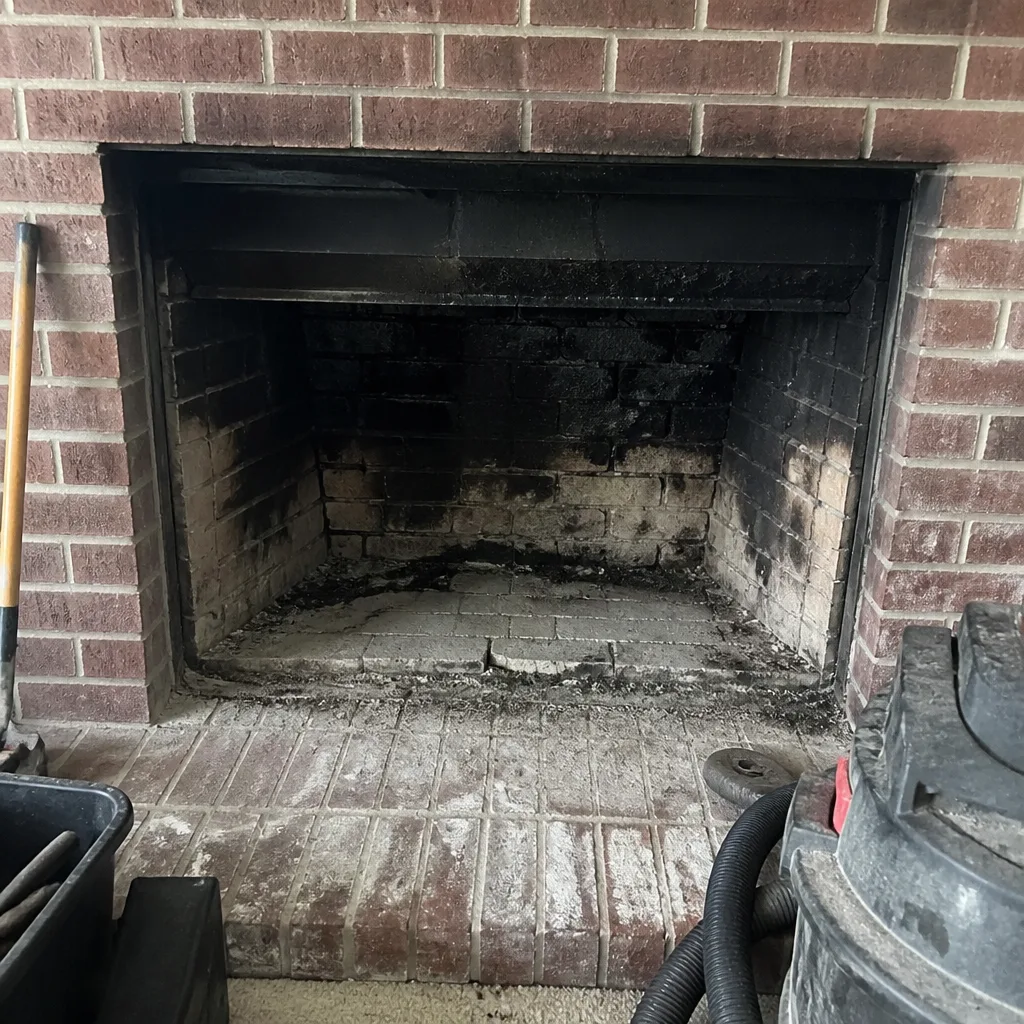 Before
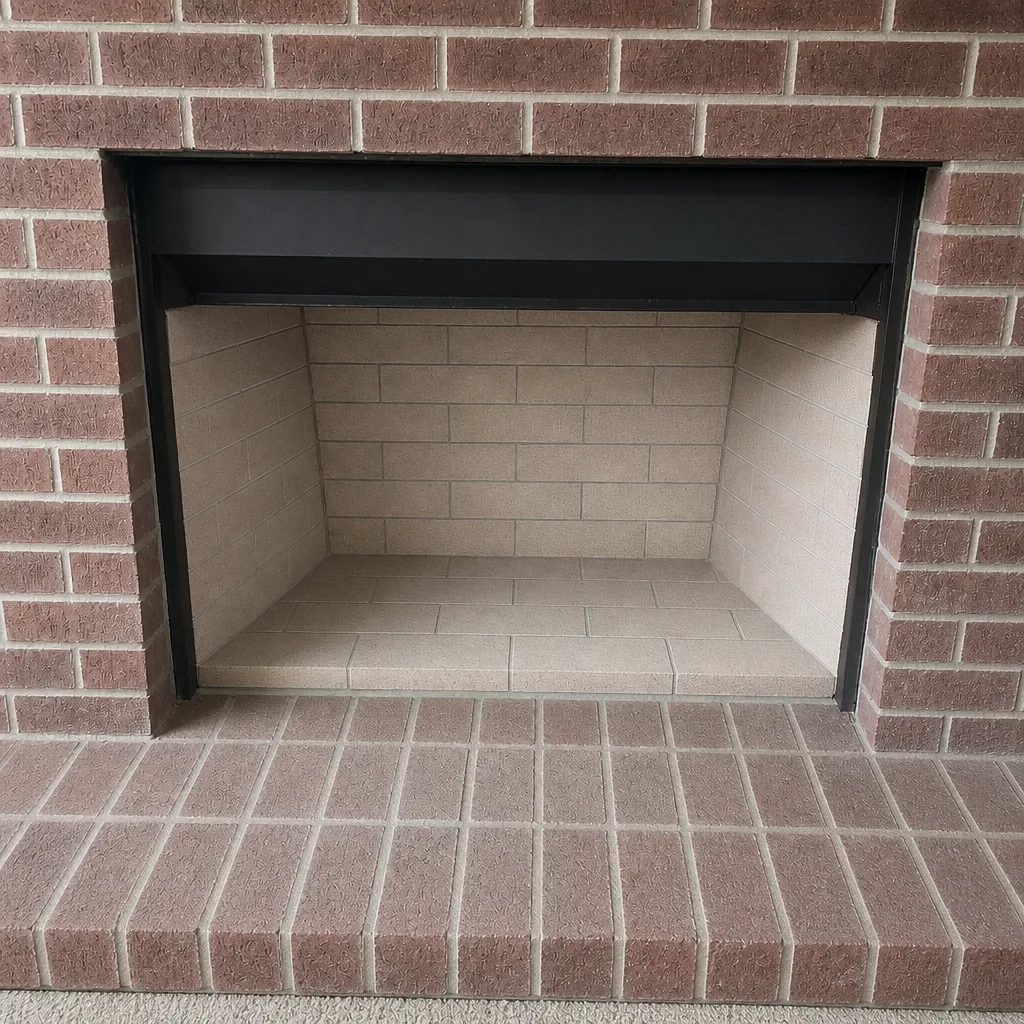 After
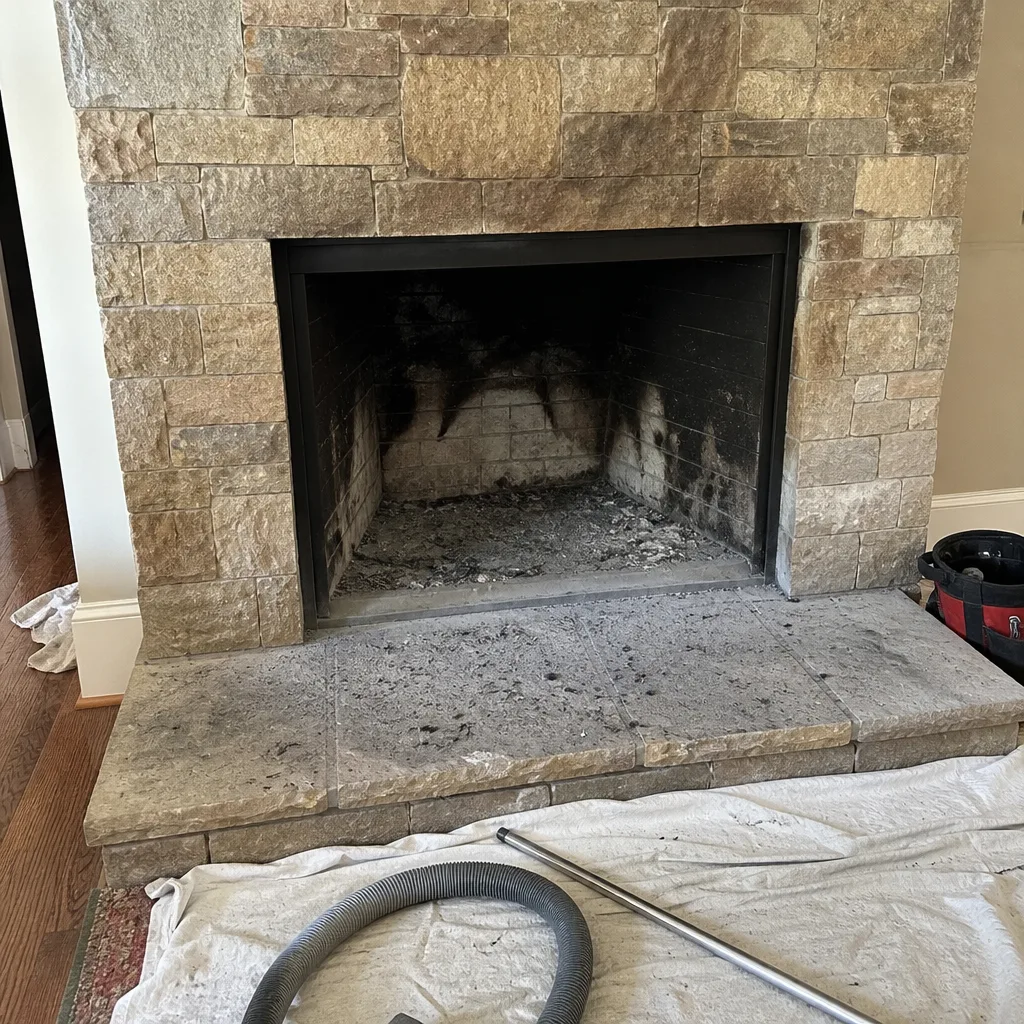 Before
 After
 Before
 After
When to Call a Professional
Some items on the checklist belong in your hands, others do not. Call a professional for anything involving the flue interior, and for the observations below that show up on the ground check: a cracked crown, spalling masonry, a missing or tilted cap, a liner with visible damage on camera inspection, or a damper that binds season to season. Call immediately if the fire smokes into the room, if you smell creosote in the house, or if your gas insert has not been inspected in over a year. The heat and creosote safety risk here is real, so it is worth doing correctly rather than guessing. Chimney Sweep Brier Creek offers free estimates in Brier Creek; call (866) 937-8959 to book a sweep, an inspection, or a cap and crown visit.
For scheduled chimney sweep appointments, our chimney sweep service runs the sweep and inspection in one visit. For repairs found during that visit, fireplace repair covers the firebox and damper, and chimney cap & crown handles the top of the stack. The parent overview at Chimney Sweep Brier Creek explains the full scope if you are starting from scratch.
Safety note on the liner and flue: creosote ignition is the hazard we are checking for, and it is not something to test yourself with a mirror and a flashlight. A trained sweep has the tools to measure creosote depth and the training to assess the liner. We’d rather tell you the flue is clean than have you find out otherwise.
Frequently Asked Questions
A chimney sweep in Brier Creek is typically priced per job rather than by the hour, and the written estimate you receive before booking sets the final price. The estimate is free, and the visit includes a camera inspection and photo report so you can see the findings for yourself. Call (866) 937-8959 for an exact quote.
Most wood-burning chimneys in Brier Creek are swept once a year, before the first fire of the season. If you burn less than a cord of wood per year, the sweep can recommend a longer interval at the inspection. Gas inserts still warrant an annual inspection of the venting and cap even though creosote is negligible.
Nothing dramatic on the first skipped year, but the failure points are cumulative. A cracked crown lets in water that widens the crack over freeze-thaw cycles, and creosote layers thicken with each burn season. The problems that justify the checklist are the ones that move quietly. A free estimate now is cheaper than a structural repair later. Call (866) 937-8959 to schedule.
Not every liner problem requires replacement. HeatShield ceramic resurfacing restores a sound but cracked liner without full relining, and it carries the product’s manufacturer warranty. If the liner is a damaged older system or the flue is offset, DuraFlex flexible liner is the standard replacement. Which one applies depends on the camera findings, which is why we include a photo report with every inspection.
A full chimney inspection with a photo report is designed to meet real estate transaction and insurance documentation needs. We provide dated records of what was found and what was done, which is usually what an insurer or a buyer wants. Bring the report and the invoice to the closing or the claim.
Yes, in most cases. We cover the full chimney lifecycle from the firebox to the crown, including cap and crown installation using Gelco, Olympia Chimney, and Famco products, so you don’t need to coordinate a second contractor. Anything that turns up during the visit is itemized on a written estimate before we proceed.
The Bottom Line
The chimney maintenance checklist that actually protects a Brier Creek home is built around the failure points this region produces. Cracked crowns are the top finding, not because they are common everywhere, but because the freeze-thaw cycle here widens every hairline. Pollen clogs caps in spring, humidity binds dampers in summer, and the annual sweep before the first fire of the season is what catches the rest. Sort the list into two tiers: what you can check from the ground with binoculars and a photograph, and what needs a credentialed sweep on the roof. Log every service with dated invoices and camera reports, and your insurer and your buyer will have no questions. Everything we describe here, from inspection to HeatShield and DuraFlex work, lives under one roof at Chimney Sweep Brier Creek.
Call (866) 937-8959 for a free estimate. We answer 24/7. Fast dispatch from 7am to 7pm, Sunday through Friday. Our technicians have up to 10 years of experience. Estimates are free, and the written estimate sets the final price.
Written by the team at Chimney Sweep Brier Creek.