
Last updated November 24, 2026
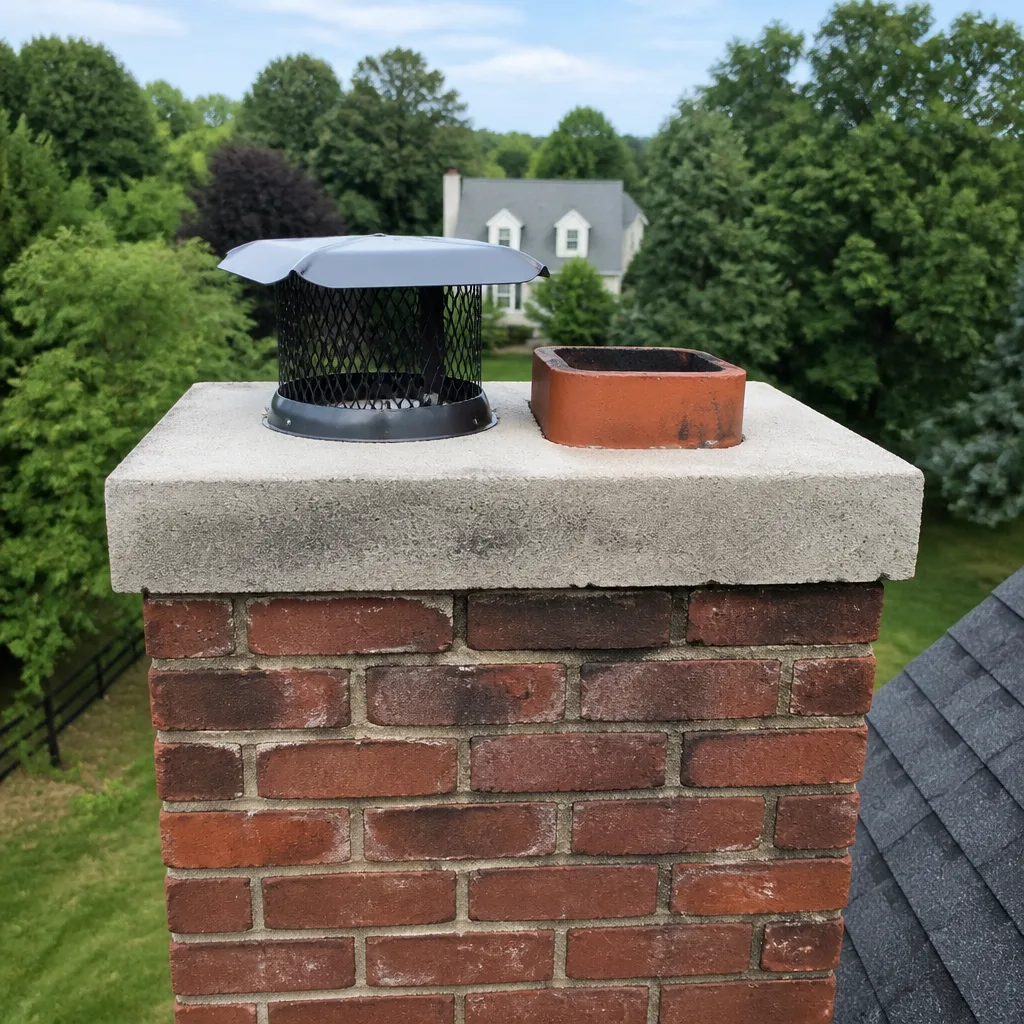 Sweep & inspection
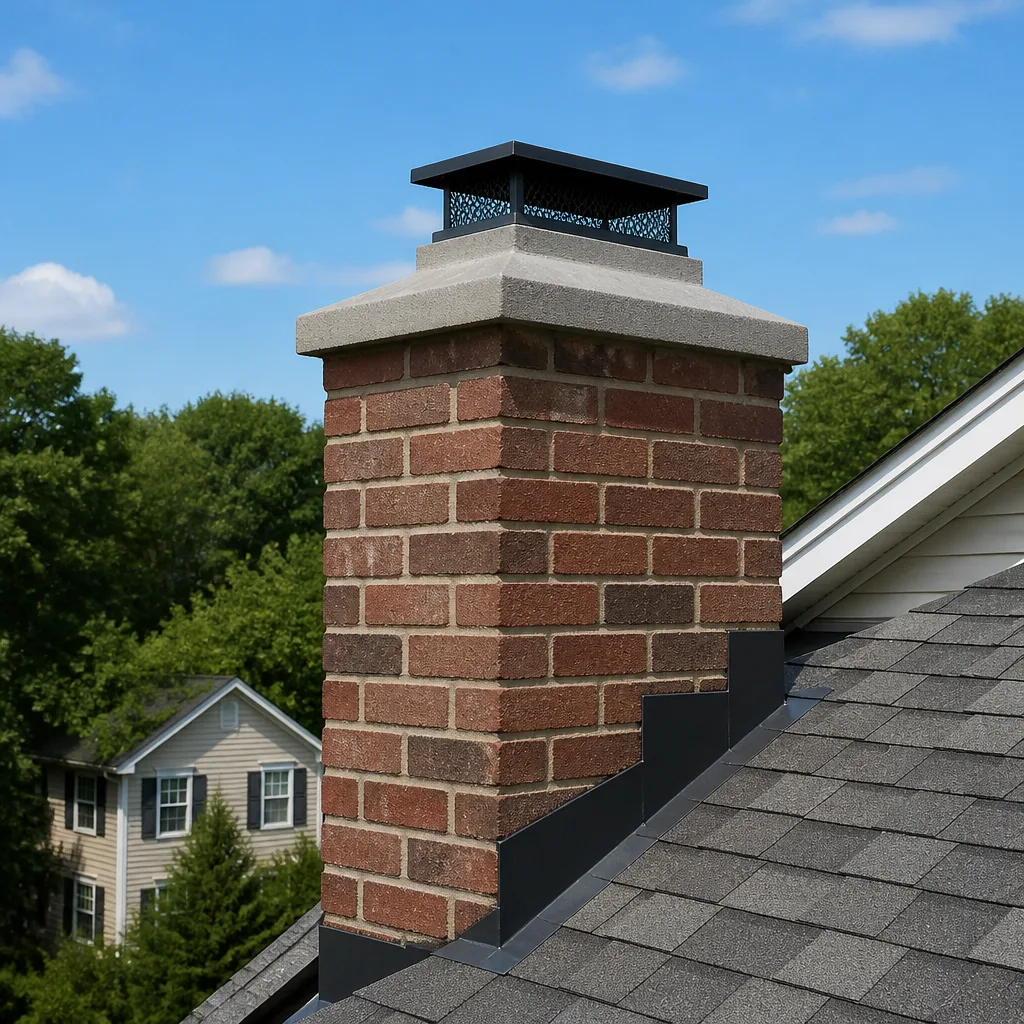 Caps & crowns
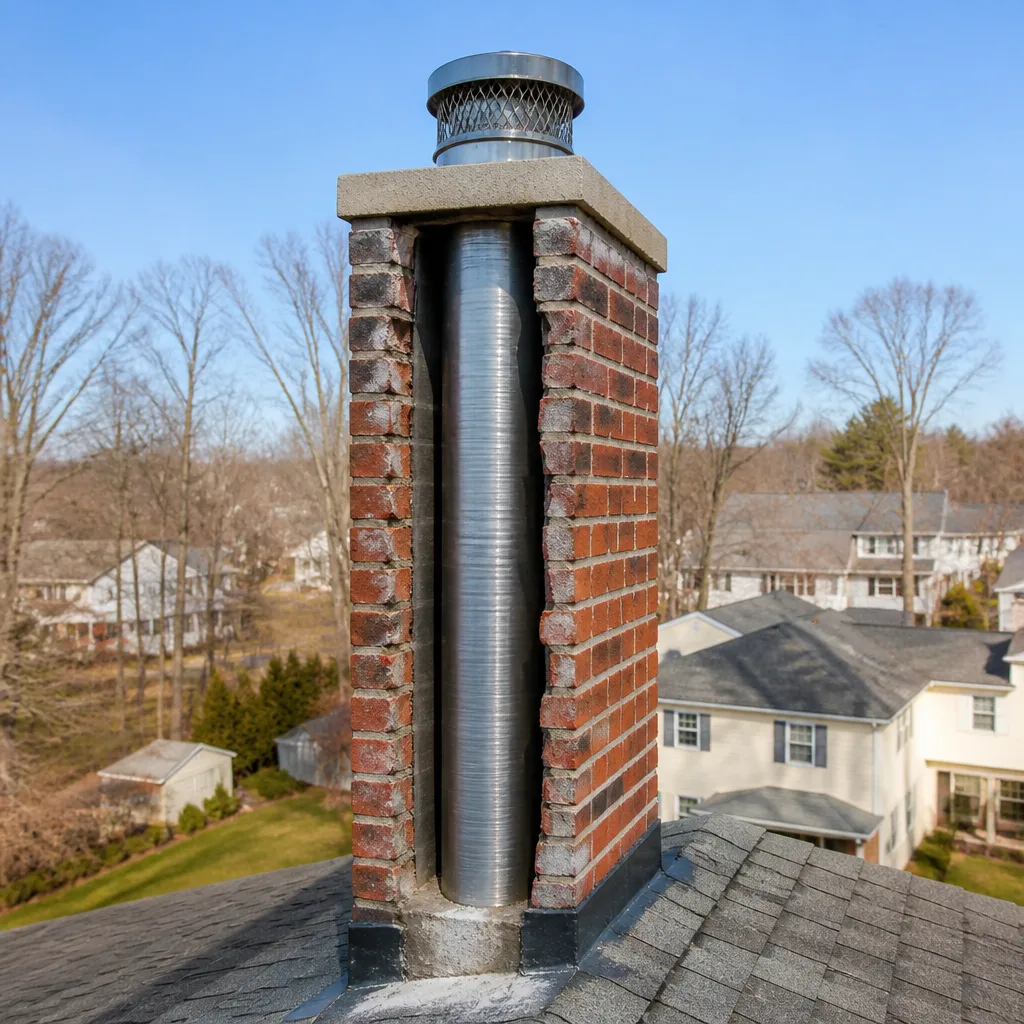 Flue relining
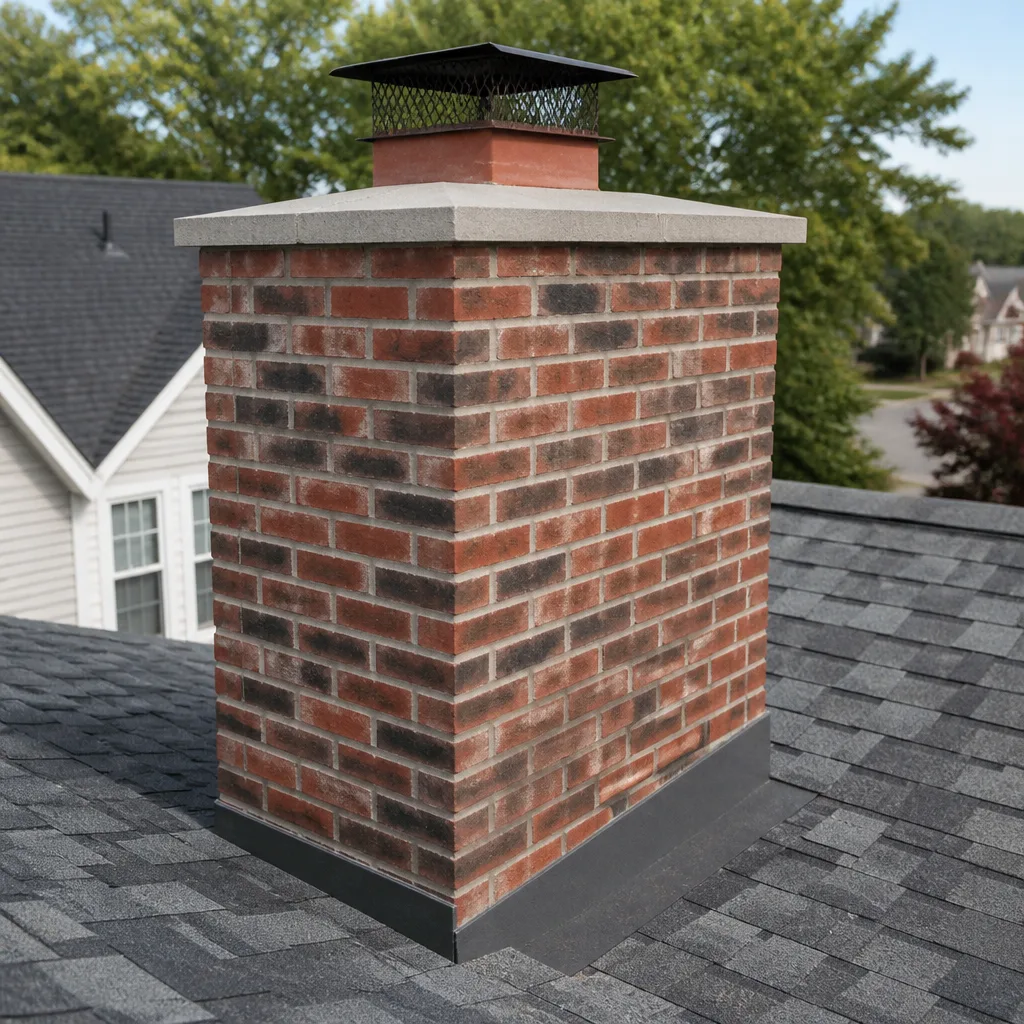 Masonry repair
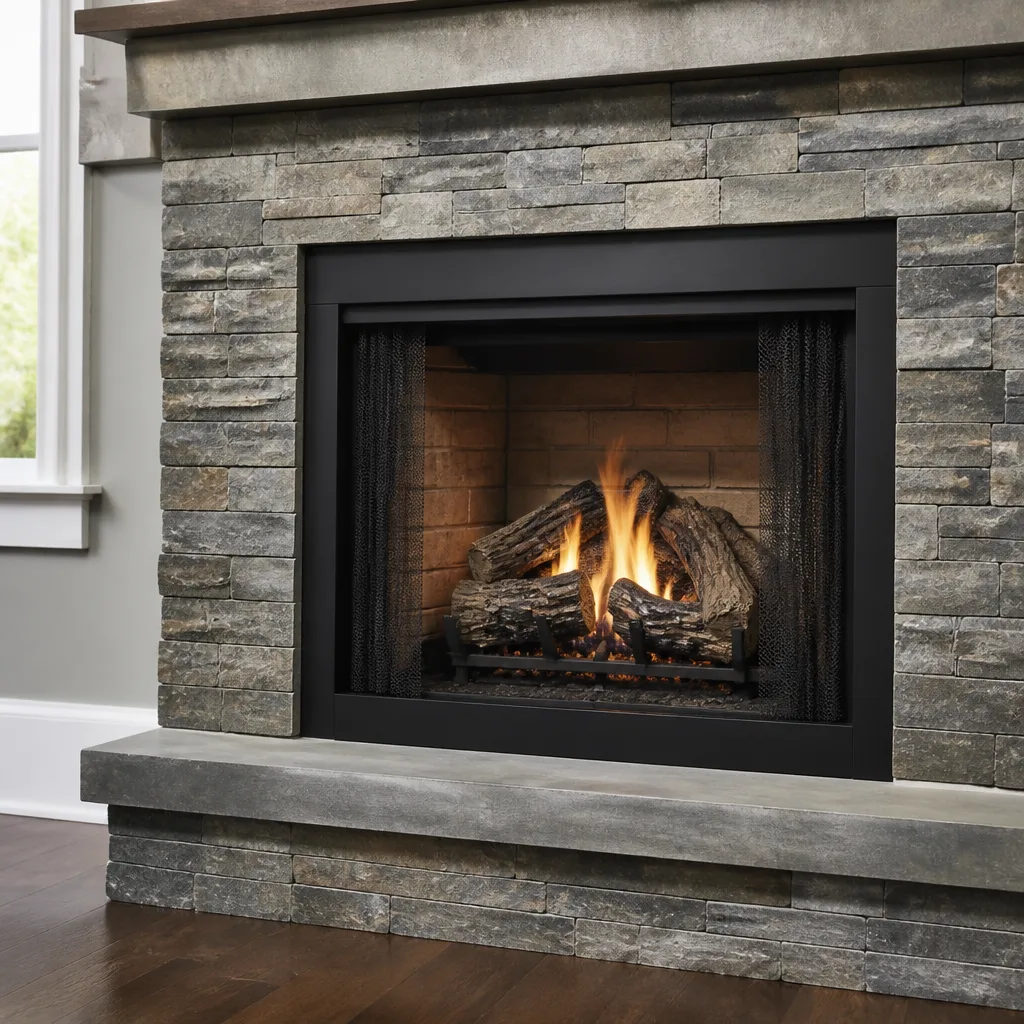 Gas fireplace service
Level 1 sweep and inspection to the NFPA 211 annual standard - flue, crown, cap, and flashing checked and photographed
Chimney sweep logs do not sweep chimneys. They loosen some creosote - which then falls where a brush and vacuum still have to collect it.
Chimney Cleaning Permits, Codes & Inspections in Brier Creek, NC: What You Need to Know
Here’s what surprises most homeowners in Brier Creek: cleaning your chimney usually needs no permit, but repairing it often does. The line between “maintenance” and “alteration” is where North Carolina code kicks in, and it’s a line many homeowners never think about until a home inspector points at it during a sale. A swept flue isn’t the same as an inspected one, and an inspected flue isn’t the same as permitted work. In this guide we walk through the NC Residential Code threshold, Wake County permit requirements, how NFPA 211 interacts with local rules, what a Level 2 inspection triggers at resale, and how to verify permits on work you didn’t commission yourself. It’s the guide we wish every Brier Creek homeowner had before they booked a repair.
Quick Answer
Routine chimney cleaning in Brier Creek does not require a permit, because sweeping is maintenance rather than construction. The moment work crosses into liner replacement, firebox reconstruction, flue resizing, or a change to a gas appliance’s venting, NC Residential Code and Wake County permit rules apply. Skipping those permits doesn’t stop the work from happening, but it can stop a home sale, because unpermitted chimney work surfaces at inspection and becomes a disclosure and liability problem for the seller.
Styles & brands we work with
- Sweep & inspection
- Caps & crowns
- Flue relining
- Masonry repair
- Gas fireplace service
Table of Contents
- Where NC Code Draws the Line Between Cleaning and Repair
- Wake County Permits: What Actually Needs One
- How NFPA 211 and Local Code Fit Together
- What a Level 2 Inspection Triggers When You Sell
- How to Verify a Permit on Past Chimney Work
- Sweep, Inspection, and Repair: Three Different Services
- What Chimney Work Typically Costs in Brier Creek
- Common Mistakes to Avoid
Where NC Code Draws the Line Between Cleaning and Repair
The North Carolina Residential Code treats chimney work in two broad categories: maintenance and alteration. Maintenance keeps an existing system working as built. Alteration changes it. Sweeping, removing creosote, replacing a damaged cap, and repointing a crown are maintenance. Replacing a liner, rebuilding a firebox, changing the flue’s dimensions, or switching a wood-burning appliance to a gas insert with new venting are alterations. Only the alteration category needs a permit in most cases.
In our experience, homeowners in Brier Creek are often surprised by which side of that line a job falls on. A cracked flue tile sounds like a small repair. But if the fix means running a new stainless liner inside the old flue, that’s an alteration, and it triggers a permit. We specify the right product for the job, which is why we reach for DuraFlex flexible liner systems when a flue needs to be resized or an offset flue needs to be negotiated. That’s a construction decision, not a cleaning decision, and it belongs on a permit application.
Maintenance work (typically no permit)
- Routine sweeping and creosote removal
- Level 1 and Level 2 inspections
- Chimney cap replacement with a same-size cap
- Crown repair or resealing
- Minor masonry repointing
- Firebox cleaning
Alteration work (typically requires a permit)
- Liner replacement or relining with a new material
- Firebox reconstruction
- Changing flue size or adding a new flue
- Installing a new wood stove or gas insert with venting changes
- Structural chimney repair that affects load-bearing masonry
The distinction matters because a home inspector can usually spot alteration work that was never inspected. Fresh masonry below the roofline, a new stainless liner with no visible documentation, or a gas insert installed into an older flue all draw questions. Those questions are easier to answer before a sale than during one. If you’re not sure which category your job falls into, our chimney sweep in Brier Creek starts with an inspection that tells you plainly, before any work is booked.
Wake County Permits: What Actually Needs One
Wake County issues chimney-related permits through its building permit process, and the rules mirror the state code. A cleaning needs nothing. Liner replacement, gas appliance venting changes, and firebox rebuilds do. The permit is a document that proves the work was done to code and inspected by a county official, and it becomes part of the property’s record. That record is what a buyer’s agent will ask for.
Three categories of Brier Creek work most often trigger a Wake County permit:
- Liner replacement. A full relining job, including a DuraFlex flexible liner installation, changes the flue system. That’s a permit item. A HeatShield ceramic resurfacing of an existing liner is sometimes a different story, because resurfacing restores a liner rather than replacing it. We repair liners without always replacing them, and HeatShield is why. Whether the county wants a permit for resurfacing depends on the scope and the inspector’s read, so it’s worth a call to the county before you assume.
- Gas appliance venting changes. If you’re converting a wood fireplace to gas or installing a new gas insert with new venting, the venting is a permitted alteration. This one catches a lot of Brier Creek homeowners who think a gas insert is a cosmetic upgrade.
- Firebox rebuilds. Rebuilding a firebox is structural masonry work. It needs a permit and an inspection.
Cap and crown work sits in a gray area. Replacing a cap with the same size and style is maintenance. Adding a new cap where there wasn’t one, or changing the crown’s drainage design, can raise questions. We install chimney caps using Gelco and Olympia Chimney products because they’re built specifically for moisture protection, and we’ll tell you plainly whether your job is likely to need a permit before we book it. If you want to read more about that side of the work, our chimney cap & crown page covers the moisture-protection angle in depth.
How NFPA 211 and Local Code Fit Together
NFPA 211 is the national standard for chimneys, fireplaces, vents, and solid fuel-burning appliances. It’s not a law. It becomes enforceable when a state or local code adopts it by reference, and North Carolina does that, which means NFPA 211 sits behind most of the chimney rules in the NC Residential Code. Where the two align, there’s no ambiguity. Where local amendments are stricter, local wins.
Where NFPA 211 and Wake County align
- Clearances from combustible material to chimney walls
- Flue sizing relative to the appliance
- Liner requirements for solid fuel appliances
- Level 1, 2, and 3 inspection definitions
- The requirement to inspect a chimney before relining it
Where local code is stricter
North Carolina amendments tighten a few areas beyond the baseline standard, particularly around seismic reinforcement in some regions and around gas appliance venting. Wake County also has its own permit and inspection process that sits on top of the state code. In practice, that means an out-of-state contractor who knows NFPA 211 but not the NC amendments can install a perfectly good system that doesn’t pass Wake County inspection. In our experience, that gap is where most of the permit surprises come from.
For homeowners, the practical takeaway is simple: ask whether the contractor is pulling a permit, and ask which code they’re building to. A contractor who answers both questions cleanly is a contractor who knows the local ground.
What a Level 2 Inspection Triggers When You Sell
A Level 2 inspection is the standard for real estate transactions. NFPA 211 defines it as an inspection of the accessible portions of the chimney, including the flue interior via camera, and it’s the level most buyers and their agents expect to see. When a Brier Creek home goes under contract, the buyer’s inspector may recommend a Level 2, and what it finds goes into the disclosure process.
Here’s what a Level 2 inspection can legally trigger during a sale:
- Disclosure of defects. If the inspection finds a cracked flue tile, a deteriorated liner, or evidence of a past chimney fire, that finding generally has to be disclosed to the buyer in most NC transactions. A seller who knows and doesn’t disclose can face liability after closing.
- Unpermitted-work flags. A Level 2 inspection photographs the flue interior. If the camera shows a new stainless liner with no permit record, or a firebox rebuild with no county inspection, that’s a red flag the buyer’s agent will pull on.
- Negotiation leverage. A Level 2 finding gives the buyer a documented reason to ask for a credit or a repair. That’s not a reason to skip the inspection, but it is a reason to have your own inspection done before you list.
- Insurance documentation needs. Some insurers ask for a Level 2 report before they’ll write or renew a policy on a home with a wood-burning appliance. Our full chimney inspection service is built to meet real estate transaction and insurance documentation needs, with a camera inspection and photo report you can hand to a buyer or an insurer.
If you’re preparing to sell a Brier Creek home, a pre-listing inspection is the cleanest way to head off all four. You learn what a buyer will learn, and you have time to fix it or disclose it on your terms.
How to Verify a Permit on Past Chimney Work
If you’re buying a Brier Creek home and the seller’s disclosure mentions chimney work, or if you’re commissioning repairs on a home where a previous owner did work, verifying permits is the step most homeowners skip. It’s also the step that catches the biggest problems. Here’s how to check, in order:
- Ask the seller for the permit number and the final inspection record. A legitimate permit has both. The final inspection sign-off is the piece that proves the county looked at the finished work.
- Pull the permit record from Wake County. The county’s online permit portal will show whether a permit was issued for the address, what it covered, and whether it closed out. A permit that was issued but never finaled is a red flag.
- Compare the permit scope to the work you see. A permit for a cap replacement doesn’t cover a liner. If the records show a minor permit and the flue has a new stainless liner, the liner was likely never inspected.
- Get a Level 2 inspection. The camera tells you what’s actually inside the flue, and it will show whether the installed liner matches the permit records. This is the step that closes the loop.
- Ask a chimney professional to interpret the record. A permit record and a camera report together tell a clear story. Neither one alone does. We’ve walked Brier Creek homeowners through that comparison more times than we can count, and we’ll tell you plainly when a record is clean and when it isn’t.
If the seller can’t produce a record and the county has no permit on file, you’re not out of options. You’re looking at a job that may need to be re-permitted and re-inspected, which is a negotiation point, not a deal killer. It’s just a point worth knowing before you sign.
Sweep, Inspection, and Repair: Three Different Services
A swept flue isn’t the same as an inspected one. This is the single most common source of confusion we run into in Brier Creek, and it’s worth spelling out because the three services have different purposes, different scopes, and different permit implications.
Chimney sweep
A sweep removes creosote, soot, and debris from the flue. It’s a maintenance service and doesn’t need a permit. A sweep will tell you if the flue is heavily obstructed, but it isn’t designed to evaluate the flue interior in detail. If you want to know the condition of the liner, you need an inspection.
Chimney inspection
An inspection evaluates the chimney’s condition. Level 1 covers the readily accessible portions. Level 2 adds a video camera scan of the flue interior and is the standard for real estate transactions. Level 3 goes further and includes opening up concealed areas, and it’s rarely needed unless a Level 2 turned up something serious. An inspection is a diagnostic service and doesn’t need a permit. Book a chimney sweep and an inspection together if you haven’t had the chimney looked at in a while.
Chimney repair
Repair is where the permit question lives. A repair that restores something to its original condition may not need a permit. A repair that changes the system, or that involves structural masonry or new venting, usually does. If your chimney needs a repair, the professional who quotes it should be willing to say out loud whether it will be permitted.
Fireplace repair is its own category too. Fixing a damper, a firebox grate, or a gas log set is different work from relining a flue. Our fireplace repair service covers the firebox side of the system, and it’s worth knowing that a firebox repair that requires rebuilding masonry is a permit item while a damper repair typically isn’t.
What Chimney Work Typically Costs in Brier Creek
We don’t publish a rate card because every job is different, but homeowners want a range before they call, and that’s fair. Below are the typical estimated ranges we see in the Brier Creek market. These are estimates only. The written estimate sets the final price, and the estimate is free.
- Routine sweep (wood-burning flue): typically $150 to $300
- Level 1 inspection: typically $100 to $200, often bundled with a sweep
- Level 2 inspection with camera and photo report: typically $250 to $450
- Chimney cap installation (Gelco, Olympia Chimney, or Famco): typically $200 to $500 depending on size and material
- Crown repair or replacement: typically $300 to $800
- HeatShield ceramic liner resurfacing: typically $1,200 to $2,500, depending on flue length and condition
- DuraFlex flexible liner installation: typically $2,500 to $5,000, depending on flue length, flue configuration, and whether a permit is involved
- Firebox or masonry repair: typically $500 to $2,000, with structural rebuilds going higher
Two of those numbers deserve context. HeatShield resurfacing is often dramatically less than a full reline, which is why we lead with it when a liner can be restored rather than replaced. And a DuraFlex liner installation typically costs more than a resurfacing partly because it’s a construction job that involves a permit, an inspection, and a manufacturer warranty. We install HeatShield under the manufacturer’s warranty, and we install DuraFlex as specified in the trade.
If you’re comparing quotes, compare the scope, not just the number. A quote that doesn’t mention a permit on a liner job isn’t a cheaper quote. It’s a quote for a different job than the one the code requires. Call (866) 937-8959 for an exact quote on your chimney. Estimates are free.
Common Mistakes to Avoid
- Assuming a repair needs no permit because a cleaning doesn’t. Sweeping and relining are worlds apart in the code. If a contractor tells you no permit is needed for a liner replacement, ask them to put that in writing so you can confirm it with Wake County.
- Accepting a receipt as proof of permit. A receipt proves you paid. It doesn’t prove the county inspected the work. Ask for the final inspection record by number.
- Skipping the Level 2 inspection before listing a Brier Creek home. Buyers will request one, and whatever it finds lands in the disclosure. Better to find it on your schedule than theirs.
- Confusing a sweep with an inspection. A sweep keeps the flue clean. An inspection tells you what shape it’s in. If you’re preparing for the first fire of the season or a sale, you want both.
- Letting a generalist handyman handle liner work. Liner work is a specialized trade, and the products are specified by name for a reason. DuraFlex, HeatShield, and Gelco are installed under their manufacturers’ instructions, and a contractor who doesn’t know those systems may install something that fails inspection.
- Not asking about permits when buying a home with a wood-burning appliance. A beautiful fireplace with no permit record is a negotiation point you can miss if you don’t ask.
- Booking repair work without a camera report. No work should be recommended without camera evidence you can see for yourself. If a contractor recommends thousands of dollars of liner work without showing you the inside of the flue, get a second opinion.
See the difference
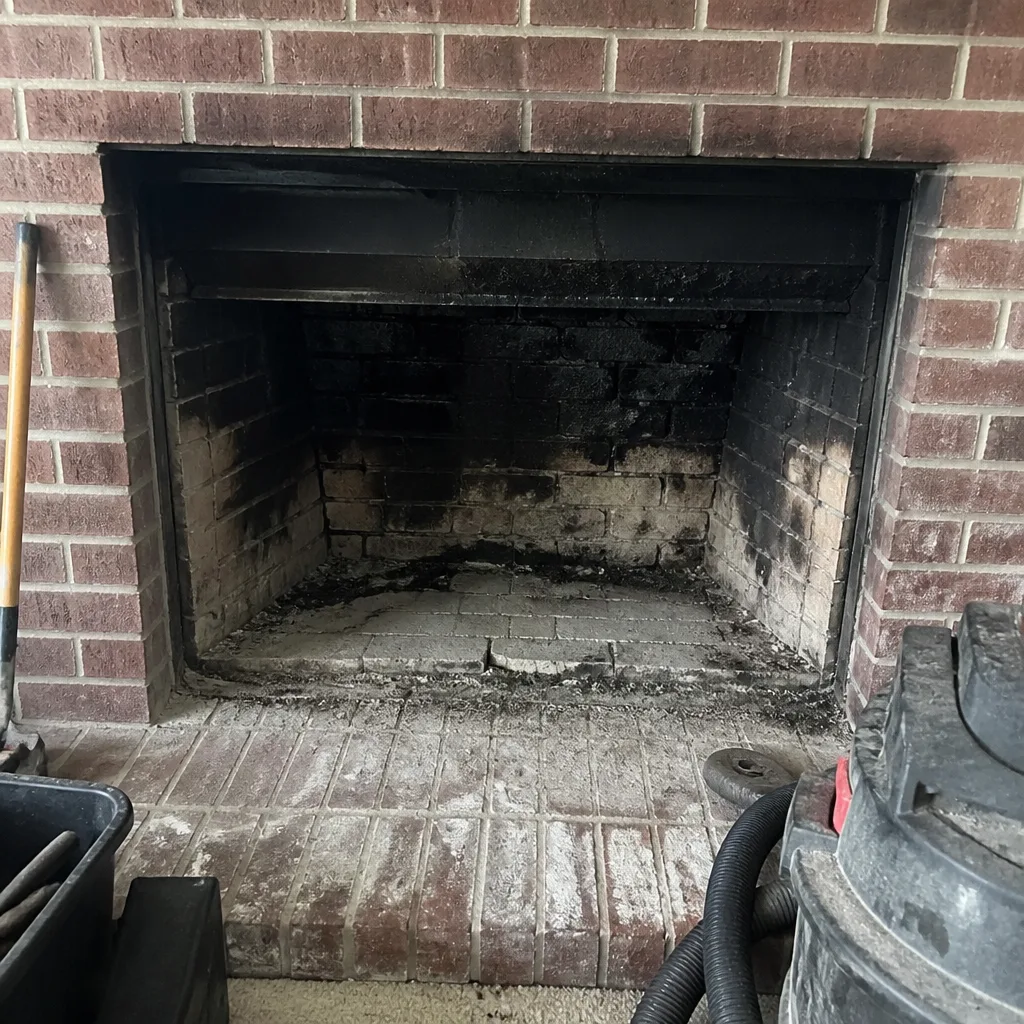 Before
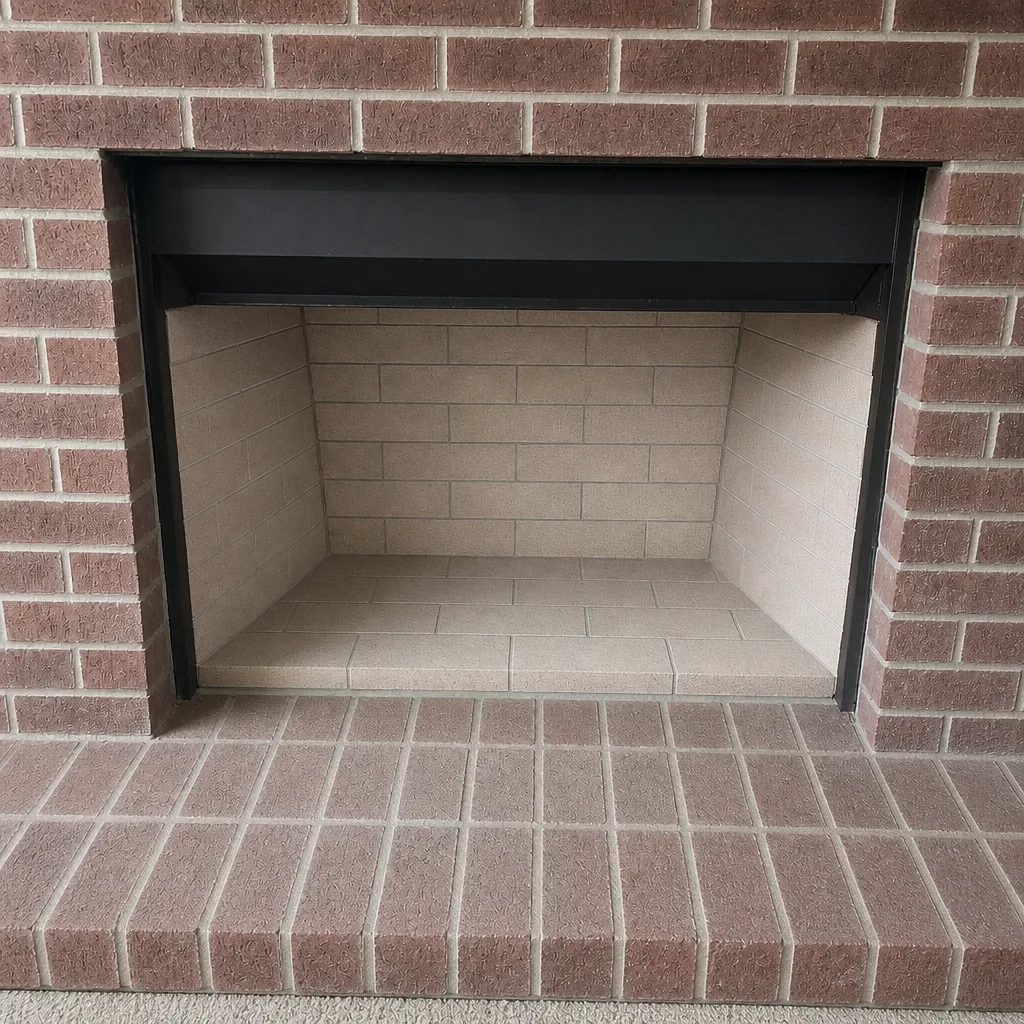 After
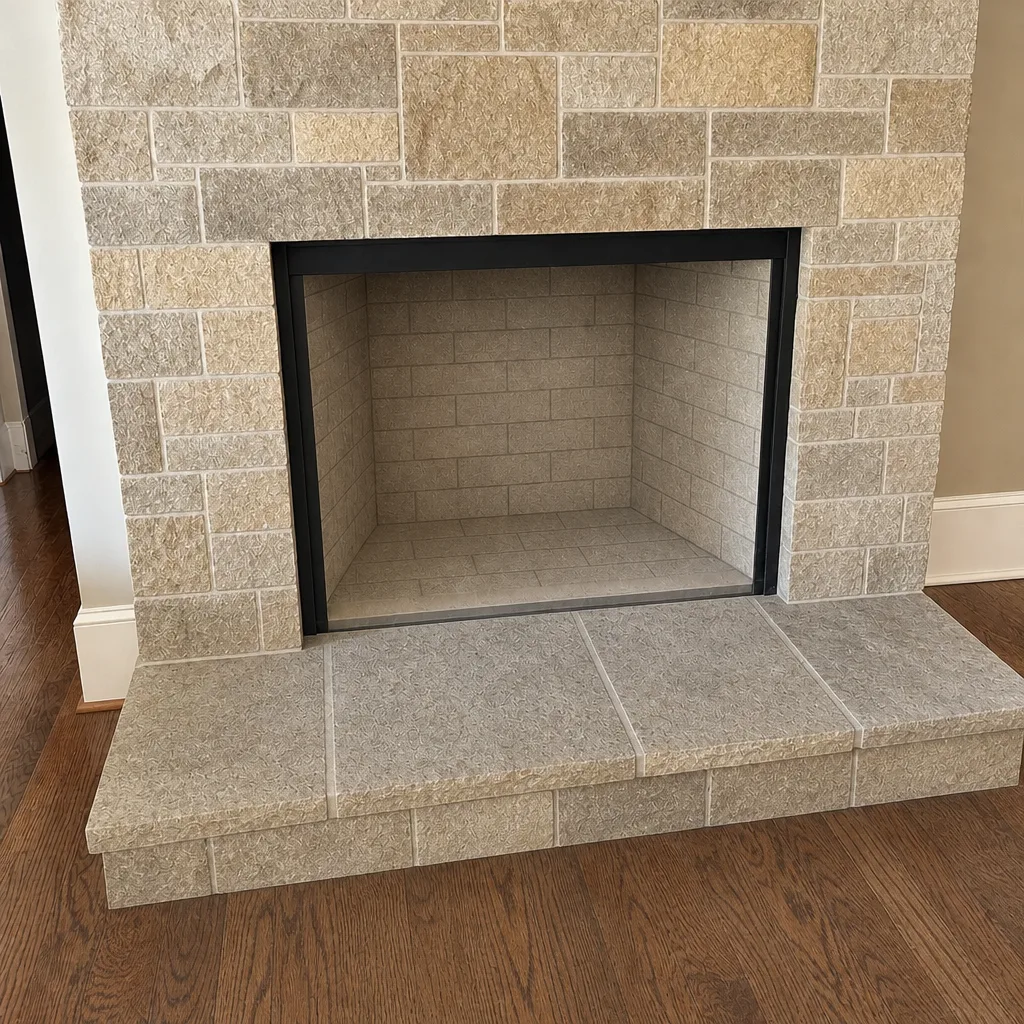
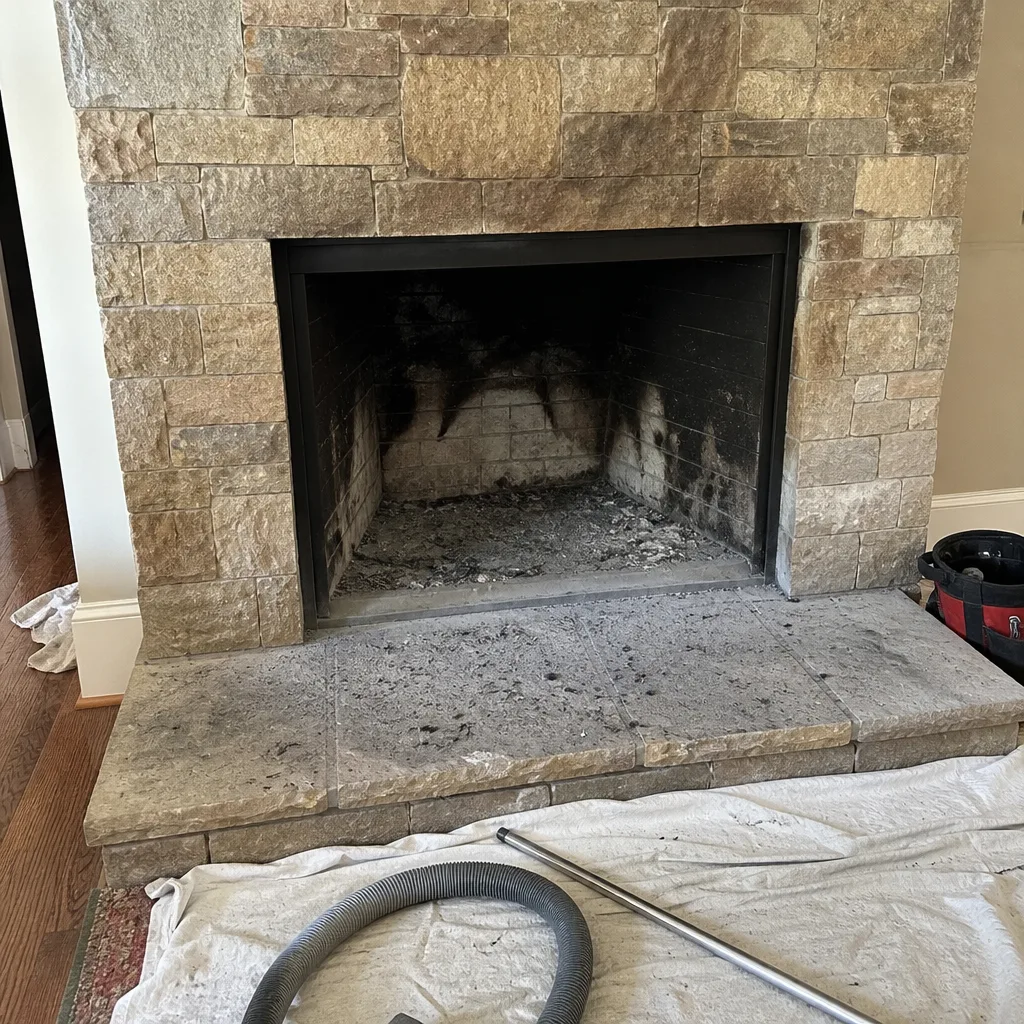 Before
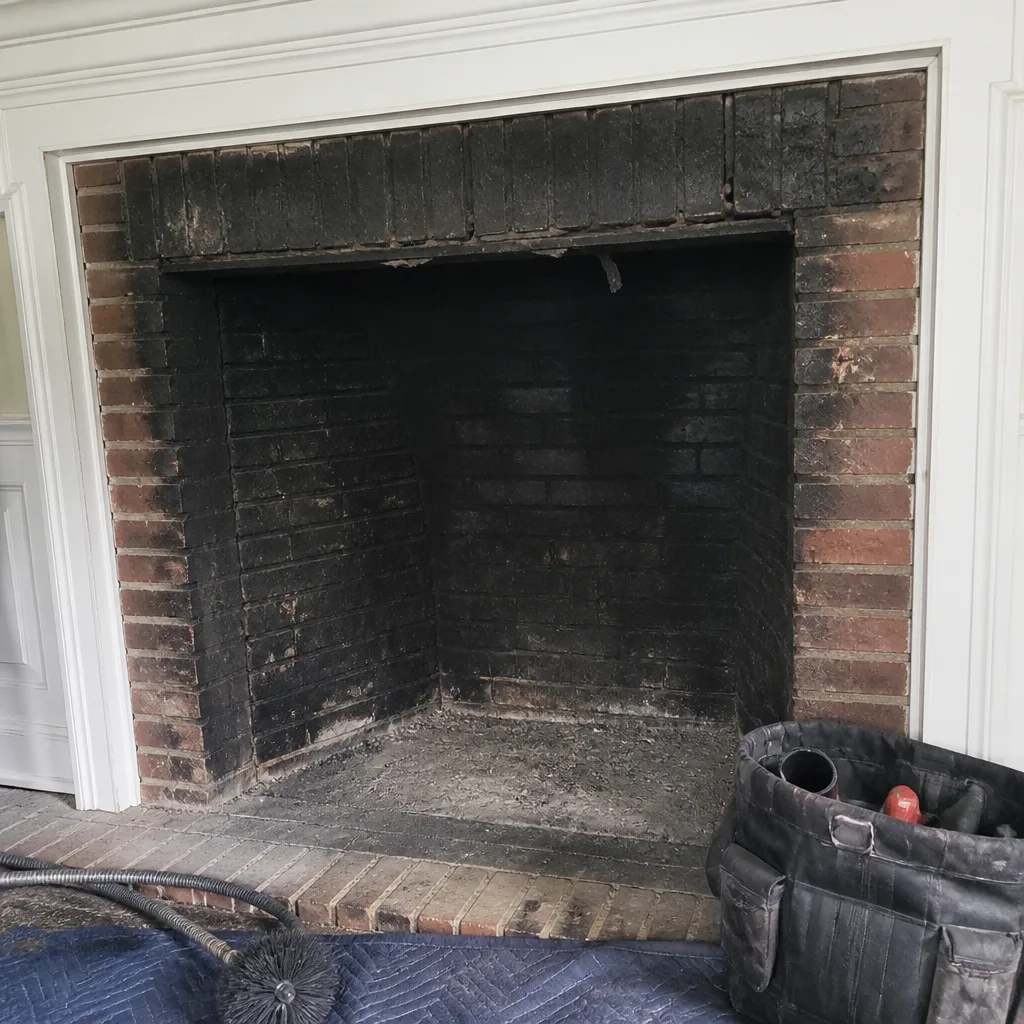
 After
 Before
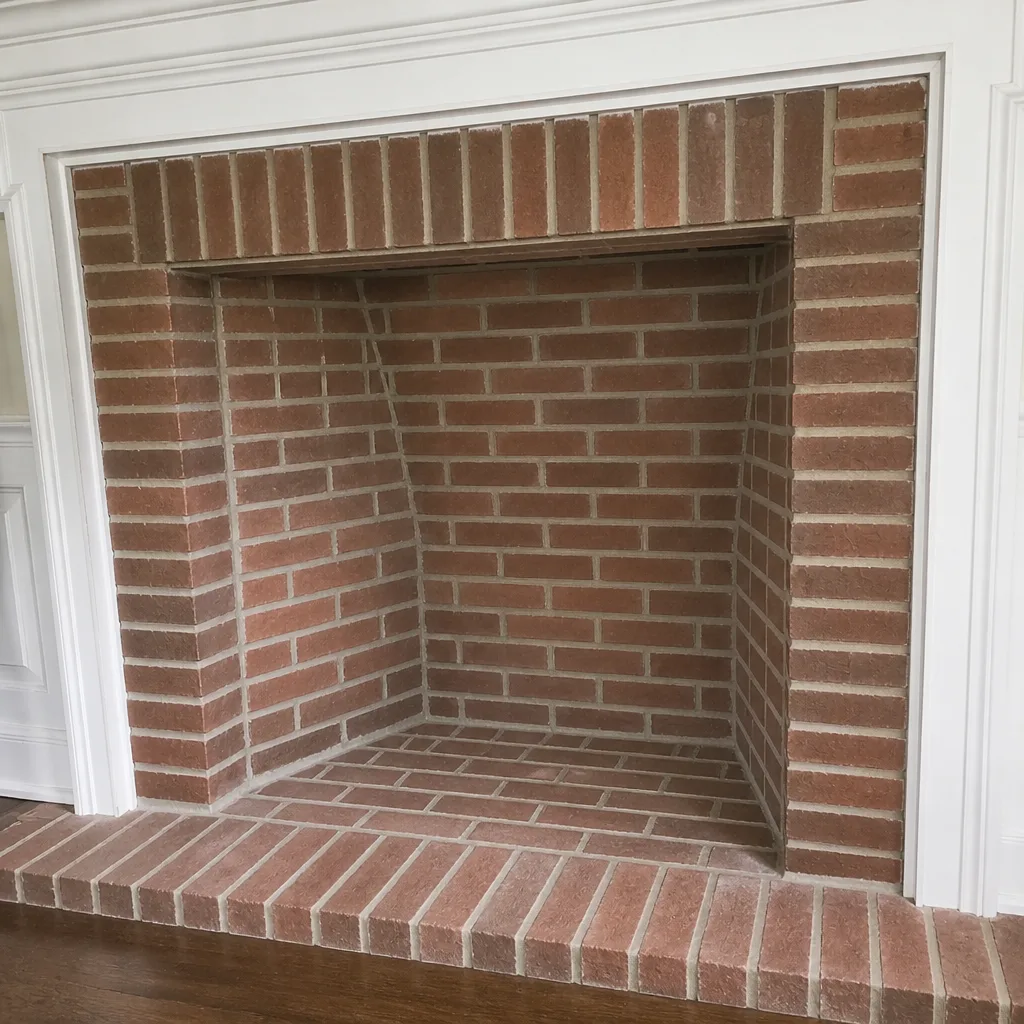 After
When to Call a Professional
Some chimney work is genuinely DIY, and most of it isn’t. Cleaning a firebox grate or replacing a screen is fine. Anything involving the flue, the liner, the masonry, or the venting is work for a trained professional, and the reason is safety. Carbon monoxide from a deteriorated flue or a failed liner doesn’t announce itself, and a chimney fire can start inside a flue that looks fine from the outside. Call a professional if you’ve never had the chimney inspected, if you’re preparing to sell a Brier Creek home, if your insurer has asked for a Level 2 report, if you smell gas near a gas appliance, or if a previous owner did chimney work you can’t verify. Chimney Sweep Brier Creek offers free estimates in Brier Creek. Call (866) 937-8959 to book one. We answer 24/7. Fast dispatch from 7am to 7pm, Sunday through Friday.
Frequently Asked Questions
No. A routine chimney cleaning in Brier Creek is maintenance and does not require a permit. Sweeping removes creosote and debris without changing the chimney system. A permit becomes necessary when the work crosses into alteration, such as liner replacement, firebox reconstruction, or a change to gas appliance venting. If you’re unsure which category your job falls into, call (866) 937-8959 and we’ll tell you plainly.
Yes, in most cases. Liner replacement is an alteration of the flue system under NC Residential Code, and Wake County issues permits for it. A full DuraFlex flexible liner installation typically needs a permit and a county inspection. A HeatShield resurfacing of an existing liner is sometimes treated differently because it restores rather than replaces the liner, so ask the county to confirm the scope before you assume. Call (866) 937-8959 for an exact quote on your liner work.
A sweep cleans the flue, and an inspection evaluates its condition. A sweep removes soot and creosote so the chimney can be used safely. An inspection, particularly a Level 2 with a video camera, tells you what shape the liner and interior are in. You need both if you’re preparing for a season, a sale, or an insurer’s request. A swept flue isn’t the same as an inspected one. Call (866) 937-8959 to book either.
A Level 2 inspection adds a camera scan of the flue interior, which a Level 1 doesn’t include. That scan can reveal cracked flue tiles, gaps in the liner, creosote glazing from a past chimney fire, and evidence of unpermitted work. It’s the standard for real estate transactions and for insurance documentation. Call (866) 937-8959 for an exact quote on a Level 2 inspection.
Yes. A buyer’s home inspector can flag unpermitted chimney work, and a Level 2 inspection can document it. In most NC transactions, that finding becomes a disclosure and negotiation issue the seller has to resolve. The work itself doesn’t stop the sale, but the uncertainty around it can. Getting a pre-listing inspection and a permit record in hand ahead of the sale is the cleanest way to avoid the problem. Call (866) 937-8959 for an exact quote.
Ask for the permit number and the final inspection record, then verify the permit in Wake County’s online portal and confirm the scope matches the work you can see. A permit issued but never finaled, or a minor permit with significant work on the property, is a red flag. A Level 2 inspection closes the loop by showing what’s actually inside the flue. Call (866) 937-8959 if you’d like us to interpret a permit record for you.
The Bottom Line
Chimney cleaning in Brier Creek needs no permit. Chimney alteration does, and the line between them is the whole point. Liner replacement, gas venting changes, and firebox rebuilds are Wake County permit items. Routine sweeps, inspections, caps, and crowns generally aren’t. NFPA 211 sets the baseline, North Carolina code adopts it with local amendments, and a Level 2 inspection is what surfaces unpermitted work at resale. Learn the difference, ask for permit records, and get a camera report before you authorize repair work. From the firebox to the crown, we handle inspection, sweeping, cap and crown work, fireplace repair, and structural chimney repair in Brier Creek. Call (866) 937-8959 for a free estimate. We answer 24/7. Fast dispatch from 7am to 7pm, Sunday through Friday.
Written by the team at Chimney Sweep Brier Creek.