
Last updated November 24, 2026
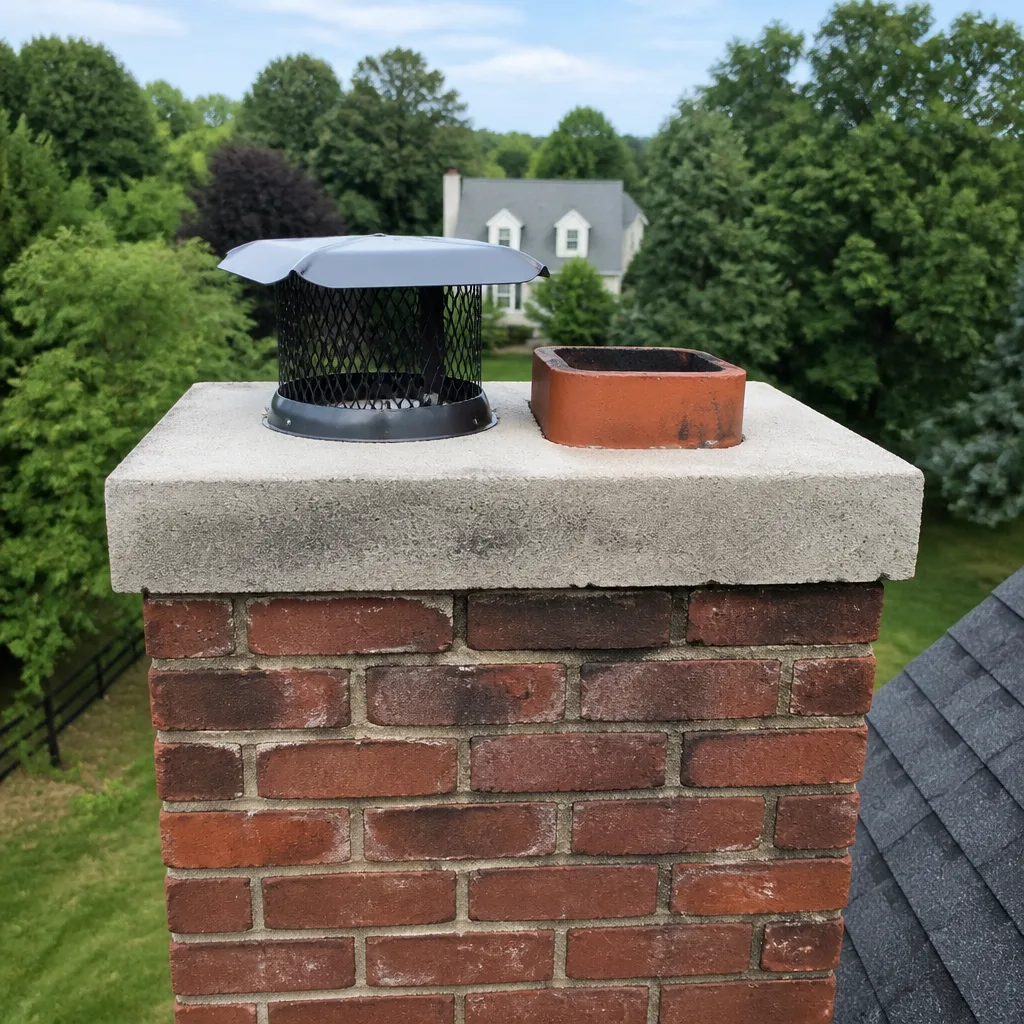 Sweep & inspection
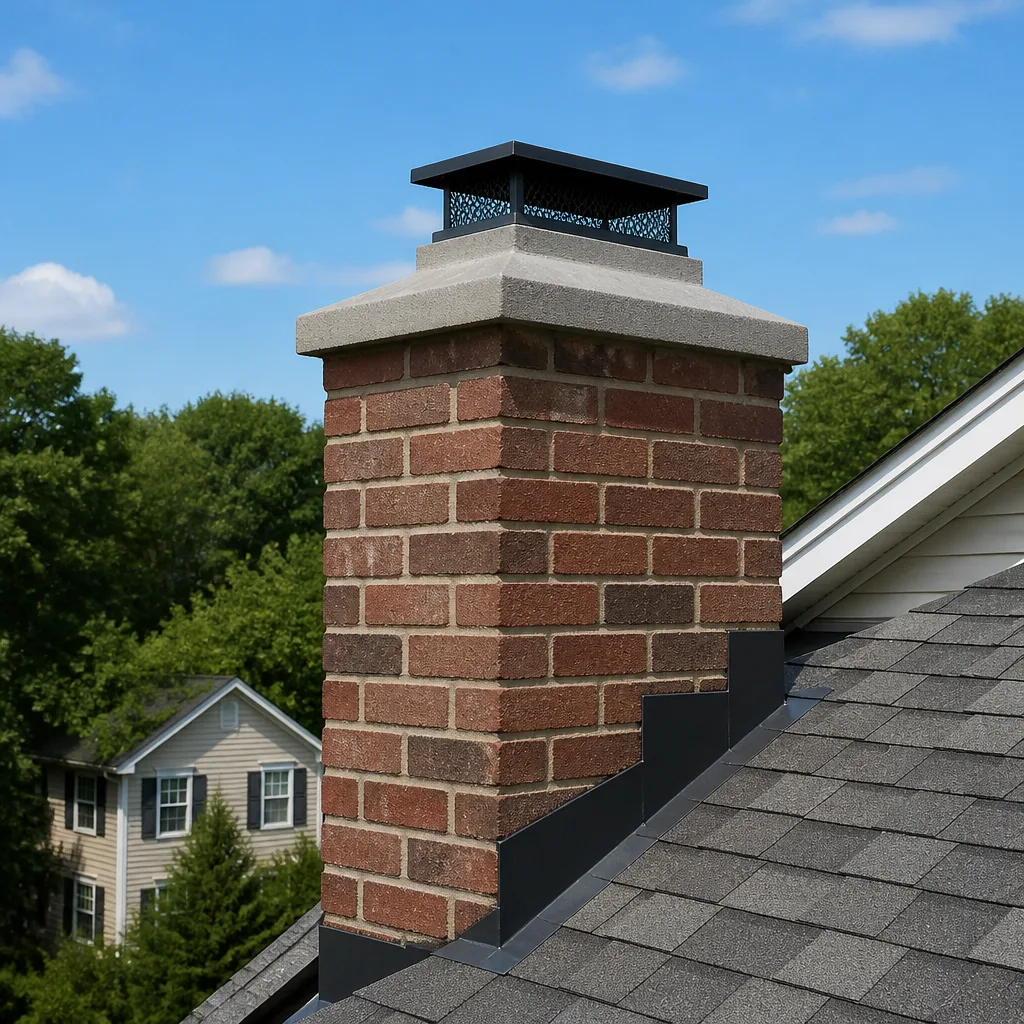 Caps & crowns
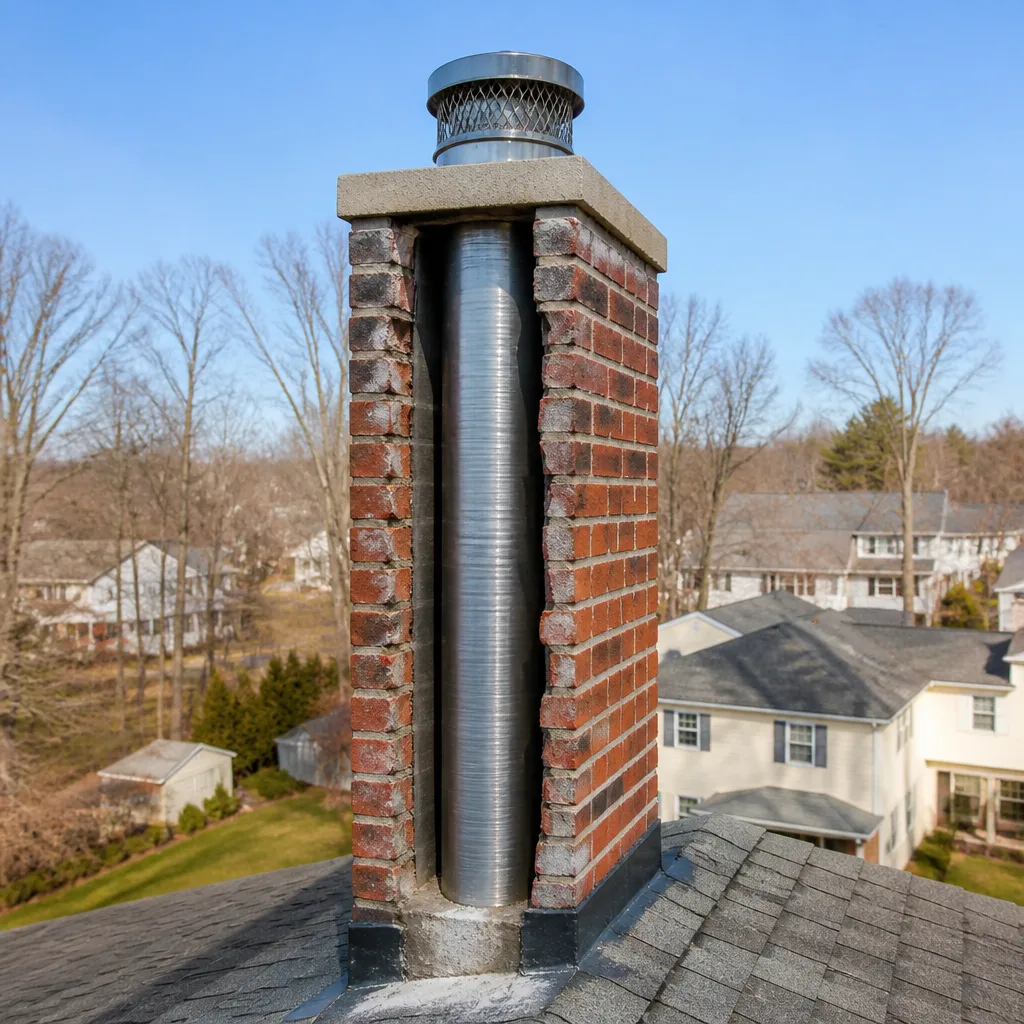 Flue relining
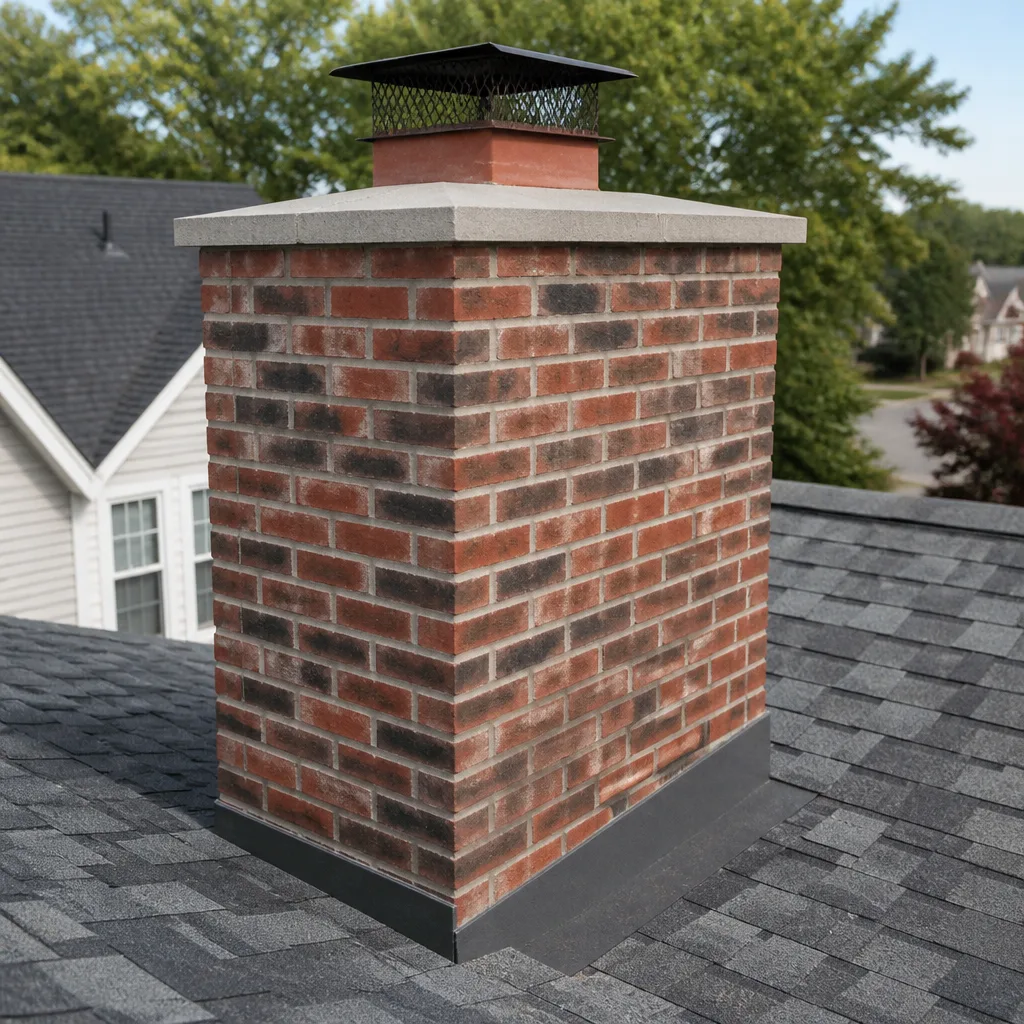 Masonry repair
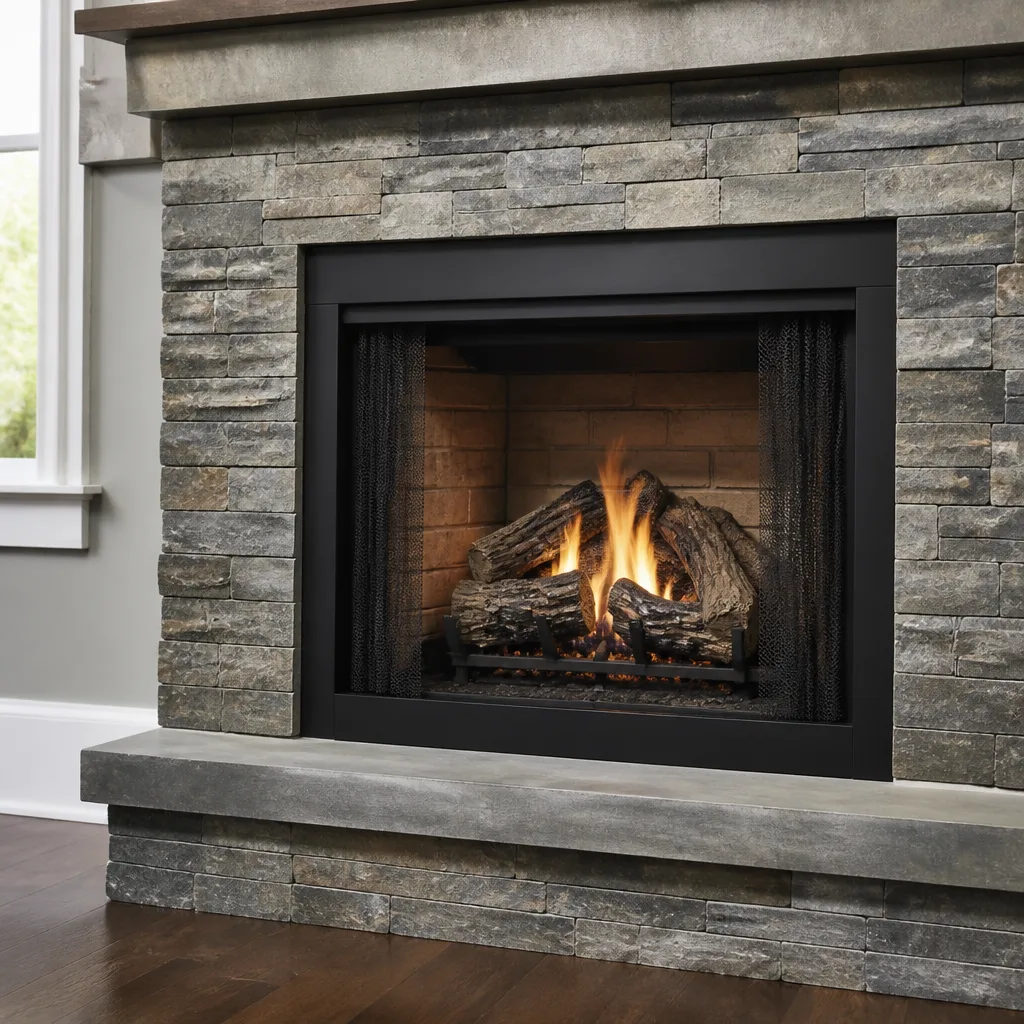 Gas fireplace service
Level 1 sweep and inspection to the NFPA 211 annual standard - flue, crown, cap, and flashing checked and photographed
Chimney sweep logs do not sweep chimneys. They loosen some creosote - which then falls where a brush and vacuum still have to collect it.
Choosing the Right Chimney Cleaning Brand: A Buyer’s Guide for Brier Creek
Most chimney proposals in Brier Creek list a service and a price, and nothing else. Sweep, inspect, repair, done. What they leave out is the part that decides how long the work lasts: the actual products going onto your chimney. A crown coating is not a crown coating. A cap is not a cap. The sealant or coating a contractor chooses can hold for two winters or twenty. That gap rarely surfaces in the estimate unless you ask about it. This guide walks through the professional-grade brands, what “professional-grade” really means in material terms, how to verify what a contractor quoted, and which categories reward brand knowledge versus plain specification.
Quick Answer
The right chimney cleaning and repair brand depends on the job: HeatShield for liner resurfacing, DuraFlex for flexible relining, and Gelco, Olympia Chimney, or Famco for caps and crowns. What matters more than the name is the specification behind it, and whether your contractor can show you the product, its rating, and its warranty before the work begins. In Brier Creek’s humid summers and freeze-thaw winters, moisture-rated materials outlast general-purpose substitutes by years.
Styles & brands we work with
- Sweep & inspection
- Caps & crowns
- Flue relining
- Masonry repair
- Gas fireplace service
Table of Contents
- The Four Product Categories That Decide Longevity
- What “Professional-Grade” Actually Means in Materials
- How to Verify a Contractor Is Using the Product They Quoted
- Where Brand Matters and Where Specification Wins
- Why Product Choice Depends on Your Chimney Type
- Questions to Ask Before You Sign
- How Brier Creek Conditions Shape Product Choice
- Common Mistakes to Avoid
The Four Product Categories That Decide Longevity
Almost every chimney job you’ll be quoted touches one of four material categories. Knowing what belongs in each one lets you read a proposal the way a contractor does, rather than taking the materials list on faith. We specify the right product for the job in each of these, because the wrong one at any stage shortens the life of the whole system.
Crown coats
The crown is the concrete slab at the top of a masonry chimney. It takes the weather so the rest of the stack doesn’t have to. A good crown coating flexes with freeze-thaw movement instead of cracking away from the flue. MasterSeal and CrownCoat are the two you’ll see specified in the trade. A general-purpose concrete patch from a big-box aisle can look fine on day one and blister by the second winter.
Liner repair systems
HeatShield is the ceramic resurfacing system most homeowners have never heard of, and it’s the one we reach for when a clay liner has cracked or spalled but the flue structure is sound. It restores the liner from the inside, which means liner repair without always replacing it outright. DuraFlex flexible liner systems are the counterpart for flues that genuinely need relining, especially older or offset flues where a rigid liner won’t make the turn.
Chimney caps
A cap keeps rain, birds, and debris out of the flue. The difference between a $35 hardware-store cap and a stainless cap installed by a professional is measured in years and in how the cap is fastened. Gelco, Olympia Chimney, and Famco all make caps built specifically for chimney moisture protection rather than as generic sheet-metal covers.
Creosote treatments
Creosote is the tar-like residue that accumulates on flue walls from wood smoke. Rutland and ACS are two professional-grade treatment product lines that address it at the chemical level. Treatments help loosen stubborn deposits and reduce regrowth between sweeps; they do not replace a physical sweep, and any contractor who says otherwise is skipping a step.
What “Professional-Grade” Actually Means in Materials
Professional-grade isn’t a marketing phrase. It refers to materials that carry a documented performance rating for the temperature and moisture conditions a chimney actually experiences. When you compare a professional product against a consumer substitute, three specifications tell the story.
- Temperature rating. Flue gases run hot. Materials used inside or directly against a flue need a temperature rating that reflects that. Ask for it in writing. A product without a published rating is being sold on hope.
- Moisture and freeze-thaw performance. Exterior chimney surfaces in Brier Creek face humid summers and winter cycles where water freezes in small cracks and widens them. Coatings and caps need a stated resistance to that cycle. Consumer sealants usually carry no such rating.
- Manufacturer warranty. Professional systems come with manufacturer warranties tied to proper installation. That warranty is the real dividing line: it means the maker stands behind the product when applied by a qualified installer, which a generic hardware product can’t offer.
We work with an intentional roster of brands for this reason. DuraFlex, HeatShield, Gelco, Olympia Chimney, Famco, and Copperfield each make products built for chimney conditions and each backs them with a manufacturer warranty. That’s a different standard than a general handyman who buys whatever the local store stocks. In our experience, the proposals that skip the materials conversation entirely are also the ones most likely to use the cheapest available substitute.
How to Verify a Contractor Is Using the Product They Quoted
A quote that names HeatShield or DuraFlex is worth exactly as much as the product that arrives on the job. Verifying it takes five minutes and almost no technical knowledge. Here’s the sequence we recommend to any Brier Creek homeowner preparing for a repair.
- Ask for the product name and spec sheet. Any professional installer can produce the manufacturer’s technical sheet on request. If they can’t, the named product may be aspirational.
- Look at the packaging on the day of the work. Professional products arrive in branded packaging with visible part numbers. Photograph what’s brought in. A container with a generic label and no manufacturer name is a red flag.
- Confirm the installer is authorized. HeatShield resurfacing and DuraFlex liner installation are performed by authorized installers, which is why the manufacturer warranty applies. Ask directly: “Are you authorized to install this product?”
- Keep the documentation. Product spec sheets, the written estimate, and the warranty should all be in your file when the job is done. Real estate transactions and insurance claims in Brier Creek often require exactly this paperwork, so confirm the contractor can provide it.
One more measure: ask before signing what the materials line in the estimate actually includes. A written estimate that names each product going onto your chimney, category by category, is far easier to hold a contractor to than one that says “repair and rebuild as needed.”
Where Brand Matters and Where Specification Wins
Not every category rewards brand knowledge equally. Some products have earned their reputation because the underlying chemistry is genuinely hard to replicate. Others are close to interchangeable, and the specification matters more than the label. Knowing which is which keeps you from paying a premium where it buys you nothing.
Where brand matters
- Liner repair systems. HeatShield’s ceramic resurfacing process is a specific, engineered system. The brand is the process.
- Flexible liners. DuraFlex systems are specified by name in the trade for a reason, and the installation technique that goes with them is not generic.
- Caps and crowns. Gelco, Olympia Chimney, and Famco products are built for chimney moisture exposure, and their warranties reflect that.
Where specification wins
- Creosote treatments. Rutland and ACS are strong professional products, but the key is whether the treatment suits your creosote condition. The specification matters more than which of the two brands is used.
- Sweeping tools and brushes. Once the brush is matched to the flue liner type, brand is mostly irrelevant. What matters is using the correct poly or wire brush for your liner material.
- General masonry mortar. The mix specification for small mortar repairs matters more than the brand name on the bag.
When we write an estimate for a Brier Creek home, we name the product and the category it serves. From the firebox to the crown, the goal is that you can look at the proposal and know what’s going onto your chimney before you sign.
Why Product Choice Depends on Your Chimney Type
The same category can call for a completely different product depending on what kind of chimney you have. This is where a general handyman usually stops short, and where brand fluency actually earns its keep.
Masonry versus prefab
A masonry chimney has a clay-tile liner set in mortar, and repairs mean masonry products: crown coatings, ceramic resurfacing systems like HeatShield, and mortar mixes rated for freeze-thaw. A prefab, factory-built chimney has a metal flue with a listed rating, and it takes a different product set entirely. A cap for a prefab needs to fit the listed termination, not a round masonry flue. Ask for the make and model of your prefab unit before any work begins.
Wood-burning versus gas
Wood-burning flues see creosote and high flue temperatures, which drives the whole product list: treatment products, sweep brushes matched to liner type, liner systems rated for wood. Gas systems produce moisture and a different residue, and the products are different again. A wood-burning cap choice doesn’t transfer to a gas flue, and the creosote category doesn’t apply the same way.
The one question to ask for your system
“What is this product rated for on my system?” A contractor who can answer that in a sentence, referring to the flue type, temperature, and moisture exposure, knows the product. A contractor who answers “it’s what we always use” is guessing on your chimney. We ask ourselves that question on every job, which is why the product list varies between a masonry fireplace in a Brier Creek home and a prefab unit a few neighborhoods over.
Questions to Ask Before You Sign
You don’t need trade knowledge to hold a contractor accountable. You need the right seven questions. Ask these on the phone or before the estimate is finalized, and you’ll get a much clearer picture of what’s going onto your chimney.
- “What products will you use, by brand?” If the answer is vague, so is the proposal.
- “Will you show me the manufacturer’s spec sheet?” Professional installers can produce it.
- “Are you authorized to install this product?” Authorization is what puts the manufacturer warranty in force.
- “What warranty does the product carry?” The manufacturer warranty should be written into your documentation.
- “Is a sweep included, or is this inspection only?” They are different services, and the difference matters for pricing.
- “Will I get photos of the flue interior?” Camera inspection with photos is how you verify what was found, in your own hands.
- “Can this wait?” A contractor willing to tell you what can safely wait until next year is a contractor worth keeping.
We answer all seven before we write an estimate. That’s the standard a Brier Creek homeowner should expect, and it costs you nothing to ask. Contact us if you’d like those answers in writing.
How Brier Creek Conditions Shape Product Choice
Brier Creek sits in the Piedmont, where summer humidity is high and winter swings across the freeze line more than once in a typical season. That pattern is hard on exterior chimney materials. A crown coat that can’t flex through freeze-thaw cracks and lets water in. A cap that isn’t fastened for wind-driven rain lets moisture down the flue. Water in the flue is the most common driver of liner and crown repair we see in Brier Creek homes.
That’s why moisture-rated professional products matter more here than in a dry climate. A crown coating like MasterSeal or CrownCoat, a cap from Gelco, Olympia Chimney, or Famco, and a liner repair system like HeatShield all carry freeze-thaw and moisture performance ratings that consumer substitutes don’t. The material cost difference is modest next to the labor, and labor is what you’re paying for when a repair has to be redone. For homes on the wood-burning side, the creosote category matters too, because a cool, humid off-season is when residue sits on flue walls waiting for the first fire.
Common Mistakes to Avoid
- Accepting a quote with no product name. “Repair and rebuild” tells you nothing about what’s going onto the chimney. Ask for the brand and category in writing.
- Treating the cheapest cap as a cap. A hardware-store cap may fit and last a couple of seasons in a humid Brier Creek summer. A stainless professional cap costs modestly more and lasts far longer. The difference only appears if you ask.
- Assuming a sweep is an inspection. A swept flue isn’t the same as an inspected one. Confirm which service is on the estimate before the technician arrives.
- Skipping the creosote question before the first fire of the season. Residue builds between seasons. Scheduling ahead of the heating season gives you room to plan repairs that can safely wait.
- Paying for full relining when resurfacing was an option. HeatShield can restore a damaged clay liner without always replacing it. Ask whether resurfacing fits your flue before you agree to a full reline.
- Not asking for the paperwork. In Brier Creek, where homes change hands often, a documented inspection report with photos is worth keeping. Sellers and buyers both end up needing it.
- Signing a big repair estimate with no camera evidence. No one should ask you to approve thousands in masonry work without showing you the flue interior on camera first.
The answer to almost every one of these is the same: ask for the product, the photo, and the warranty. A contractor who can provide all three has earned the call.
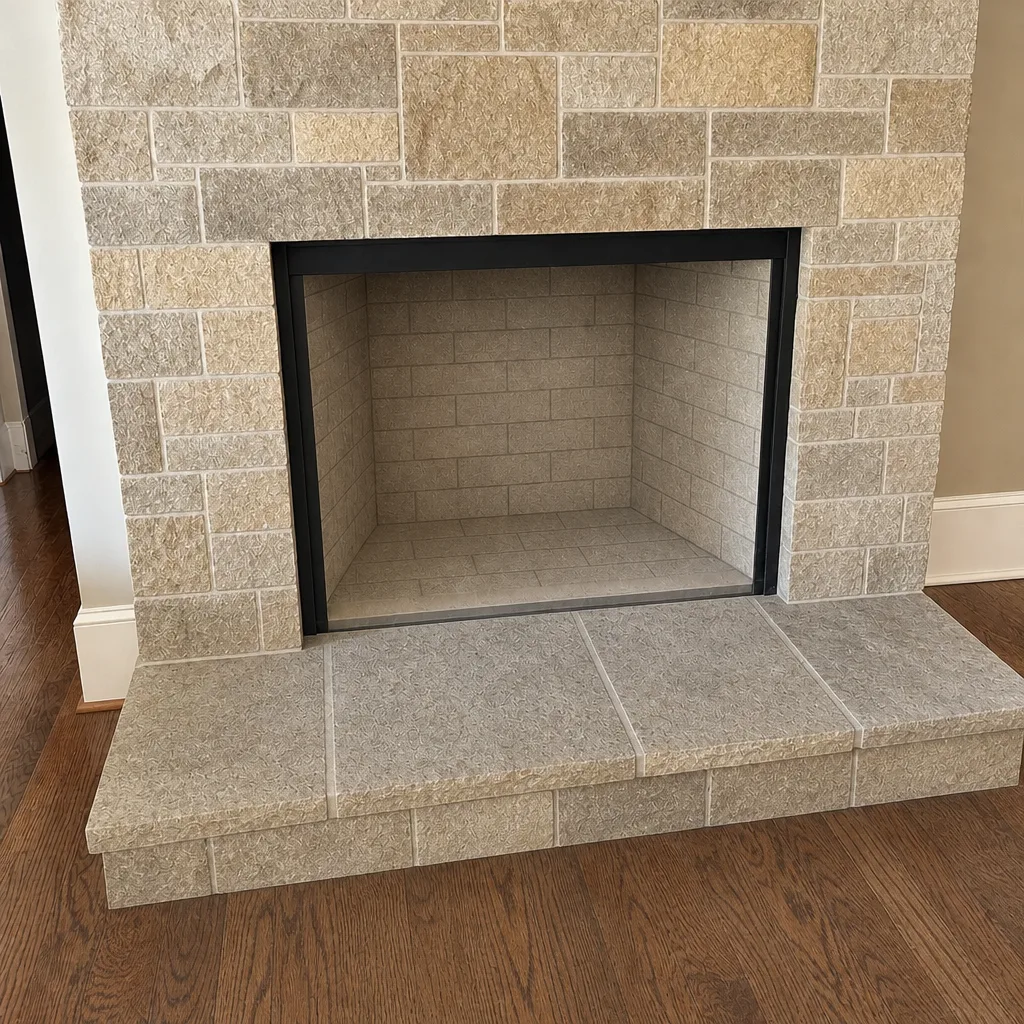
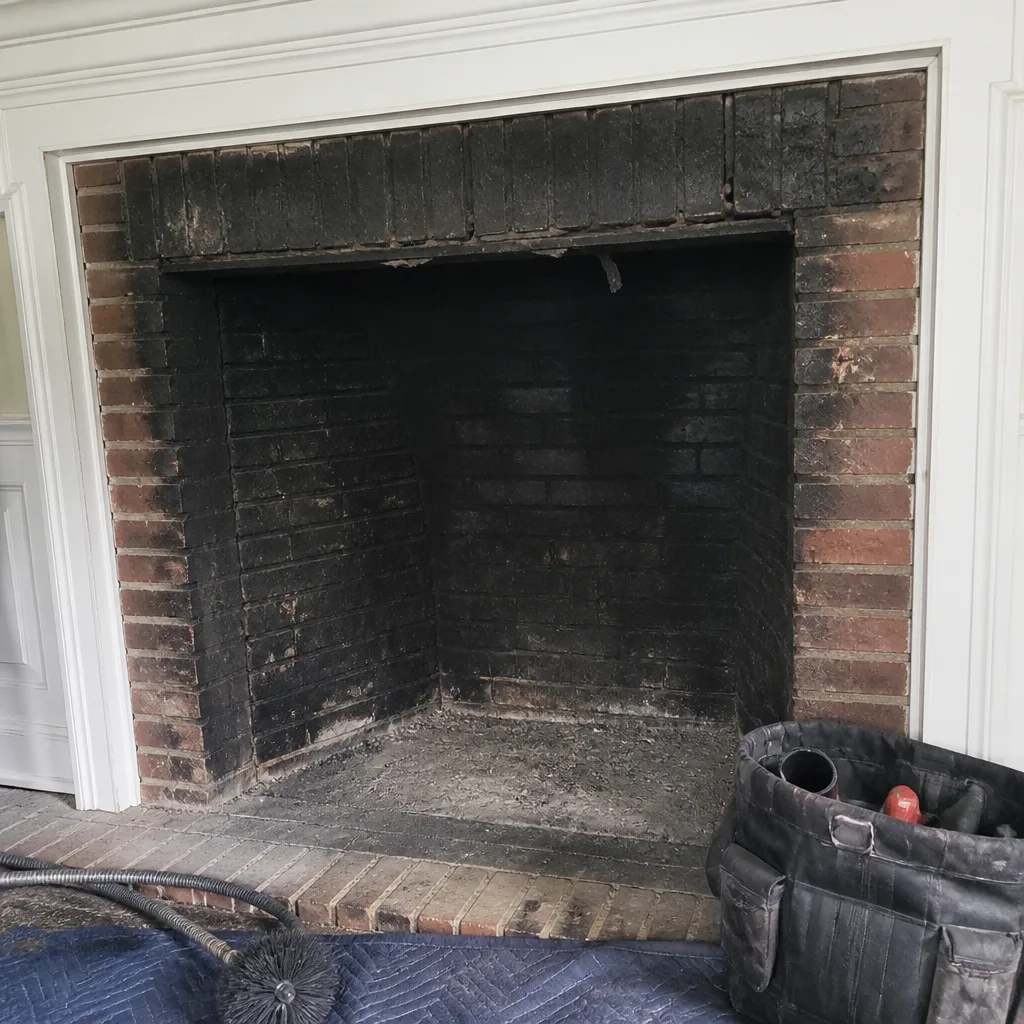
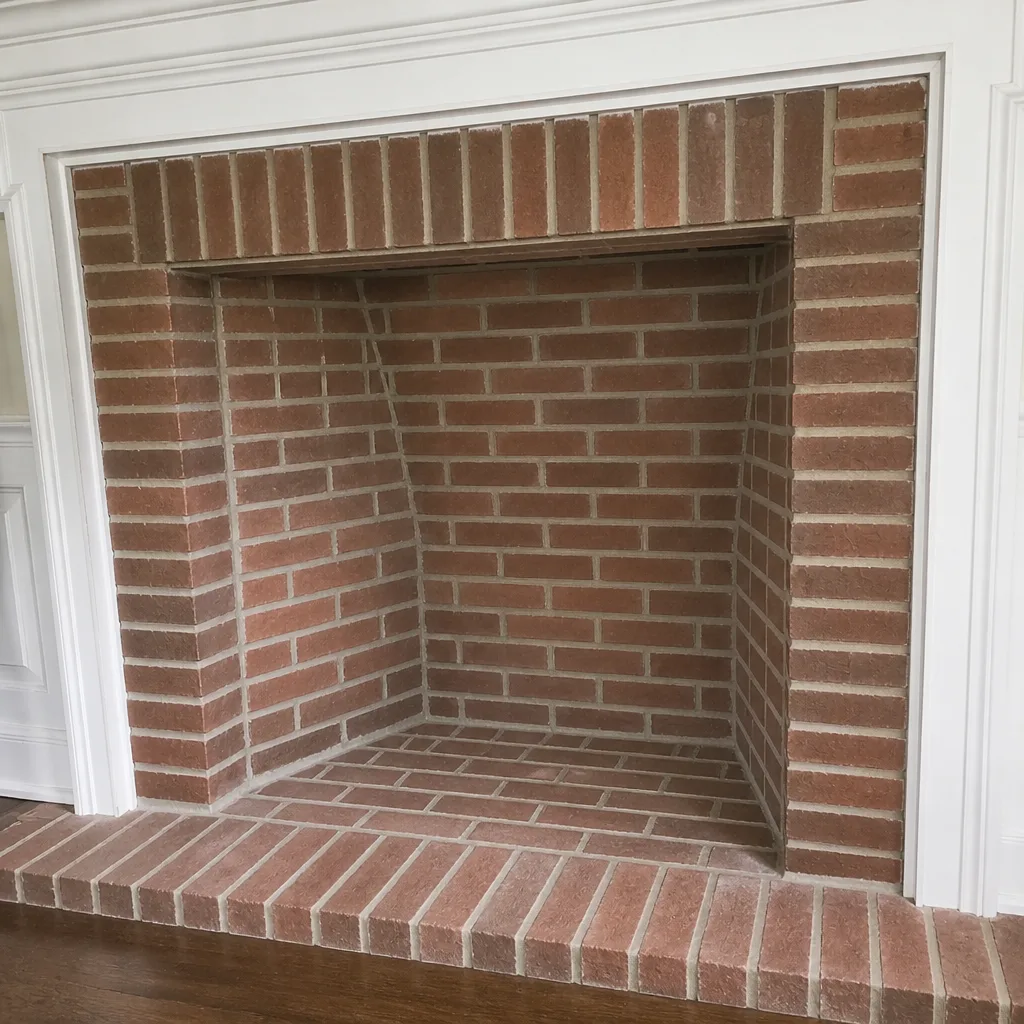
See the difference
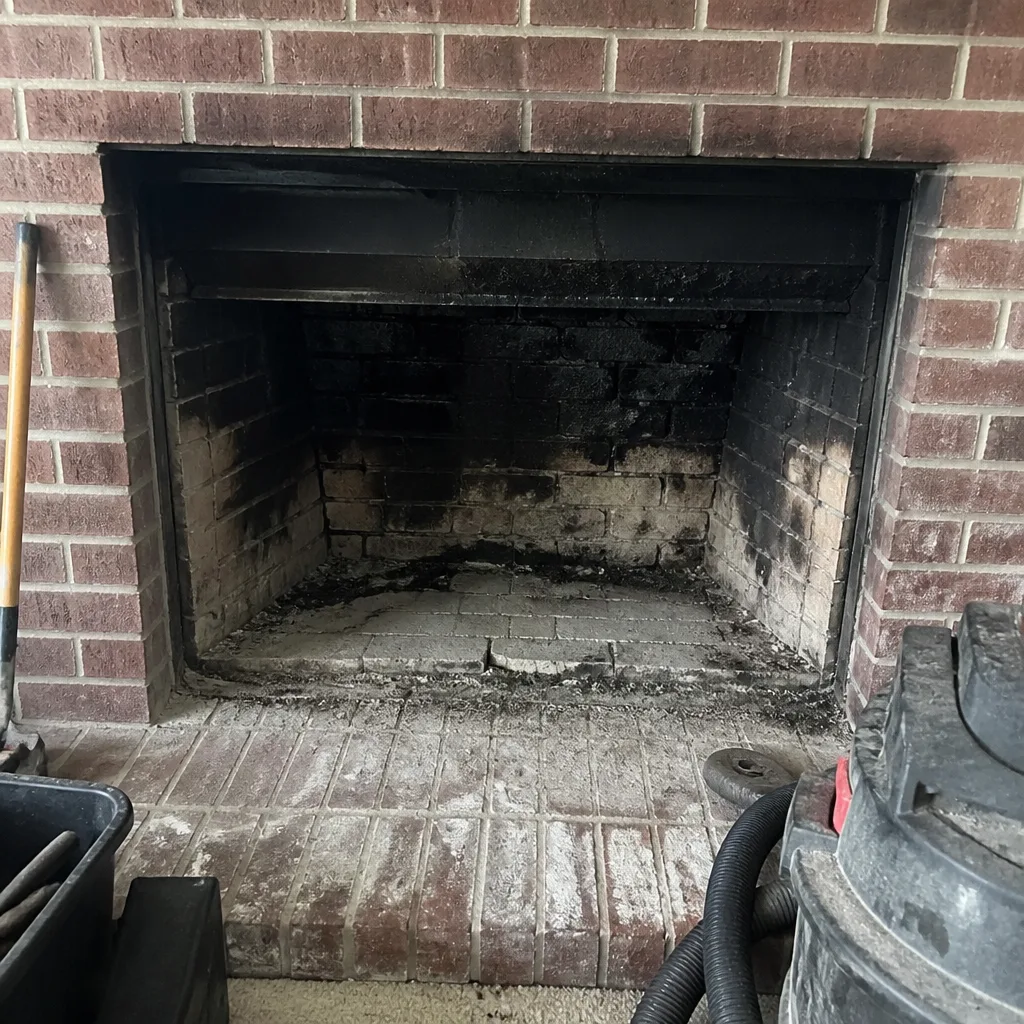 Before
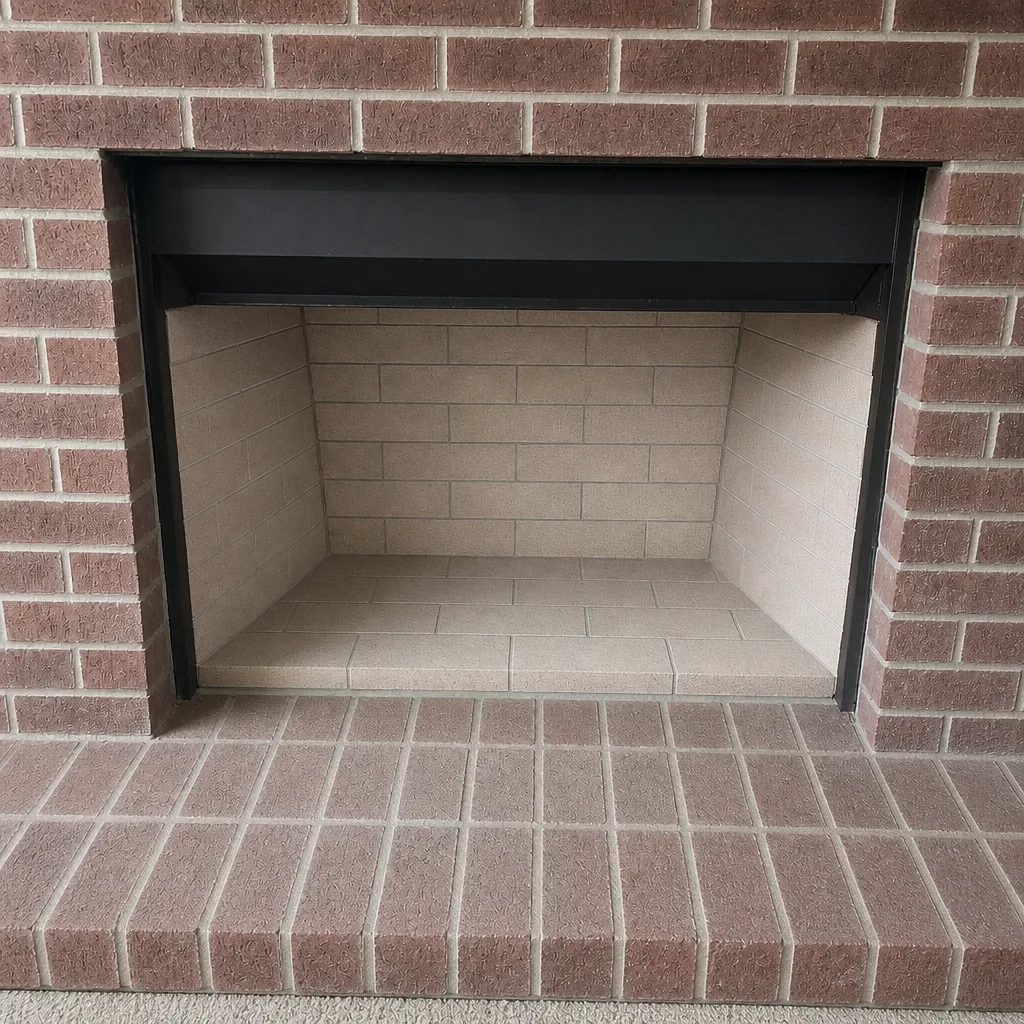 After
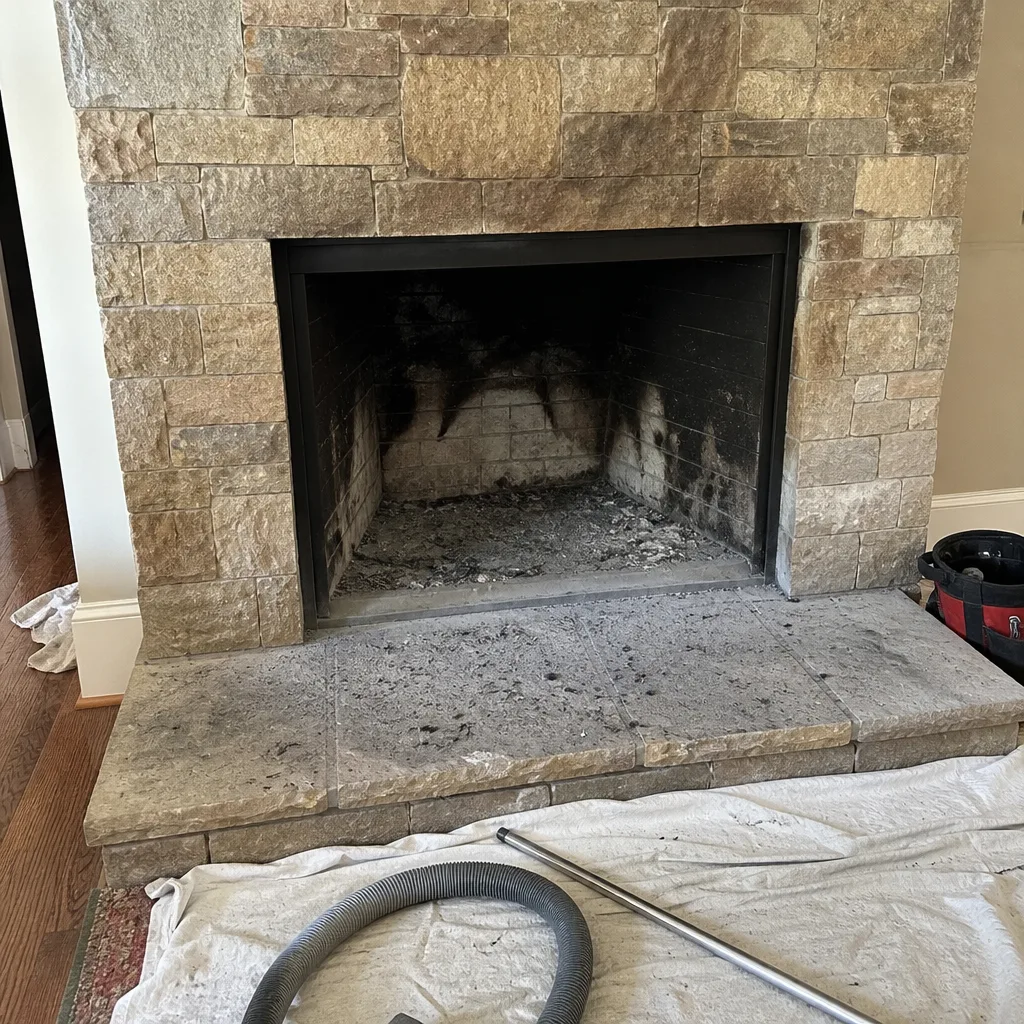 Before
 After
 Before
 After
When to Call a Professional
Some chimney conditions are the material-knowledge kind: a crown coat wearing thin, a cap that doesn’t fit, a liner that needs resurfacing rather than replacement. Those are repairable and patient. Others are reasons to stop using the fireplace until someone qualified looks at it. Call a professional if you smell a strong, sharp odor when the fire is lit, if smoke rolls into the room instead of up the flue, if you see dark staining on the exterior masonry, or if the flue hasn’t been inspected since you moved in. Our technicians have up to 10 years of experience, and we’re authorized to install and work with DuraFlex, HeatShield, Gelco, Olympia Chimney, Famco, and Copperfield products. Chimney Sweep Brier Creek offers free estimates in Brier Creek. Call (866) 937-8959. We answer 24/7. Fast dispatch from 7am to 7pm, Sunday through Friday, closed Saturday.
Frequently Asked Questions
A hardware-store cap can fit and keep rain out for a couple of seasons, but the professional products from Gelco, Olympia Chimney, and Famco are built with moisture-protection ratings and manufacturer warranties behind them. In Brier Creek’s humid summers, the difference shows up in how long the fastener stays tight and the mesh stays intact. Ask for the product name and warranty, then compare. Call (866) 937-8959 for an estimate on a professional cap installation.
Ask for the manufacturer’s spec sheet, photograph the packaging on the day of the work, and ask directly whether the installer is authorized to install the product. A professional product arrives branded with a part number, and an authorized installer can produce the warranty documentation. If any of the three is missing, the quote isn’t backed by the product. Call (866) 937-8959 and we’ll walk through what to expect.
HeatShield is enough when the clay liner has cracked or spalled but the flue structure is still sound; a full reline is needed when the liner has deteriorated beyond resurfacing. Only a camera inspection of the flue interior can tell you which applies. We let the camera evidence decide, and we show it to you before recommending anything. Call (866) 937-8959 to book an inspection and find out where your liner stands.
A sweep physically removes creosote and debris from the flue; an inspection is a full assessment of the flue, firebox, crown, cap, and masonry to document condition and identify problems. A swept flue isn’t the same as an inspected one, and each is priced and quoted separately. Many Brier Creek homeowners need both. Call (866) 937-8959 and we’ll confirm exactly which service your chimney calls for.
Anything driven by minor cosmetic wear, such as a thin crown coat, a slightly worn cap, or light creosote buildup, can often wait with a plan in place. Structural cracks, failed liners showing significant deterioration, and active moisture intrusion should not wait. We tell you plainly which category your findings fall into and why. Call (866) 937-8959 for a free estimate and a clear answer on timing.
Most wood-burning fireplaces benefit from a sweep about once a year with the heating season in mind, but the right interval depends on how much you burn and the condition of the creosote. A gas fireplace has a different schedule and a different product set. The reliable answer comes from an inspection that assesses the actual buildup on your flue walls. Call (866) 937-8959 to schedule your sweep and inspection before the first fire of the season.
The Bottom Line
The brand on the package is a shortcut to the specification behind it, and the specification is what keeps a chimney dry, capped, and structurally sound through a Brier Creek winter. A professional cap lasts decades; a hardware substitute lasts a couple of seasons. HeatShield can restore a damaged liner without the cost of full relining, and DuraFlex handles the relining that resurfacing can’t reach. Ask what product is going onto your chimney, ask to see the spec sheet, and ask whether the work can wait. A contractor who can answer all three is the one worth trusting. From the firebox to the crown, we specify the right product for the job, and we put it in writing.
Call (866) 937-8959 for a free estimate. We answer 24/7. Fast dispatch from 7am to 7pm, Sunday through Friday, closed Saturday.
Written by the team at Chimney Sweep Brier Creek.