
Last updated November 24, 2026
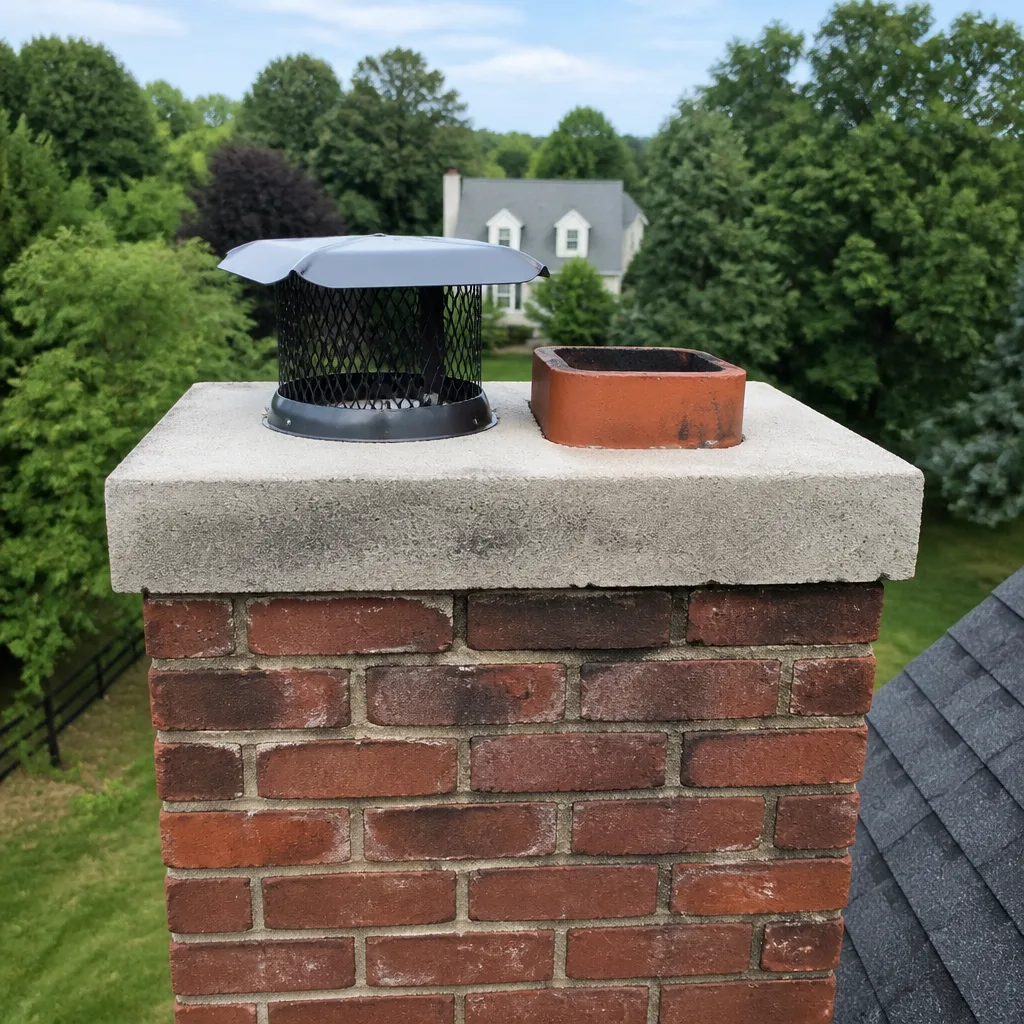 Sweep & inspection
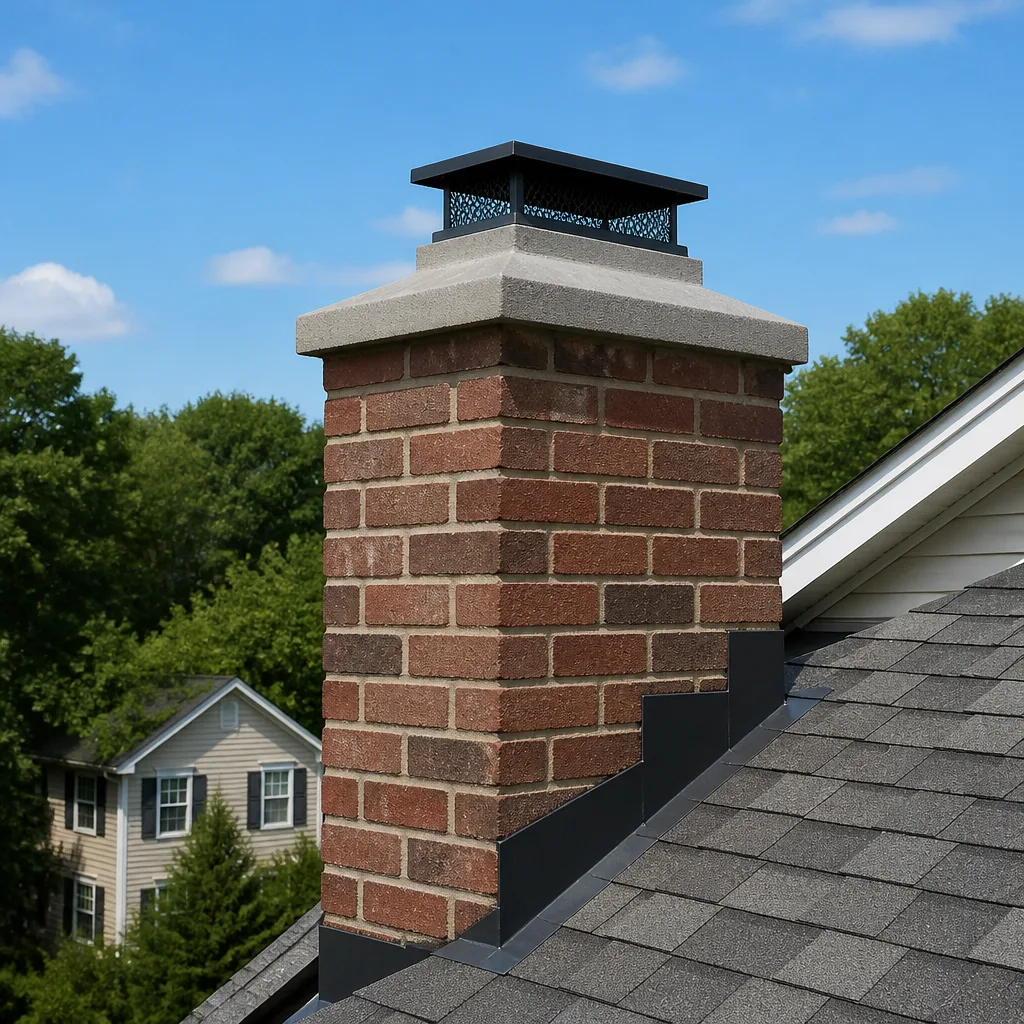 Caps & crowns
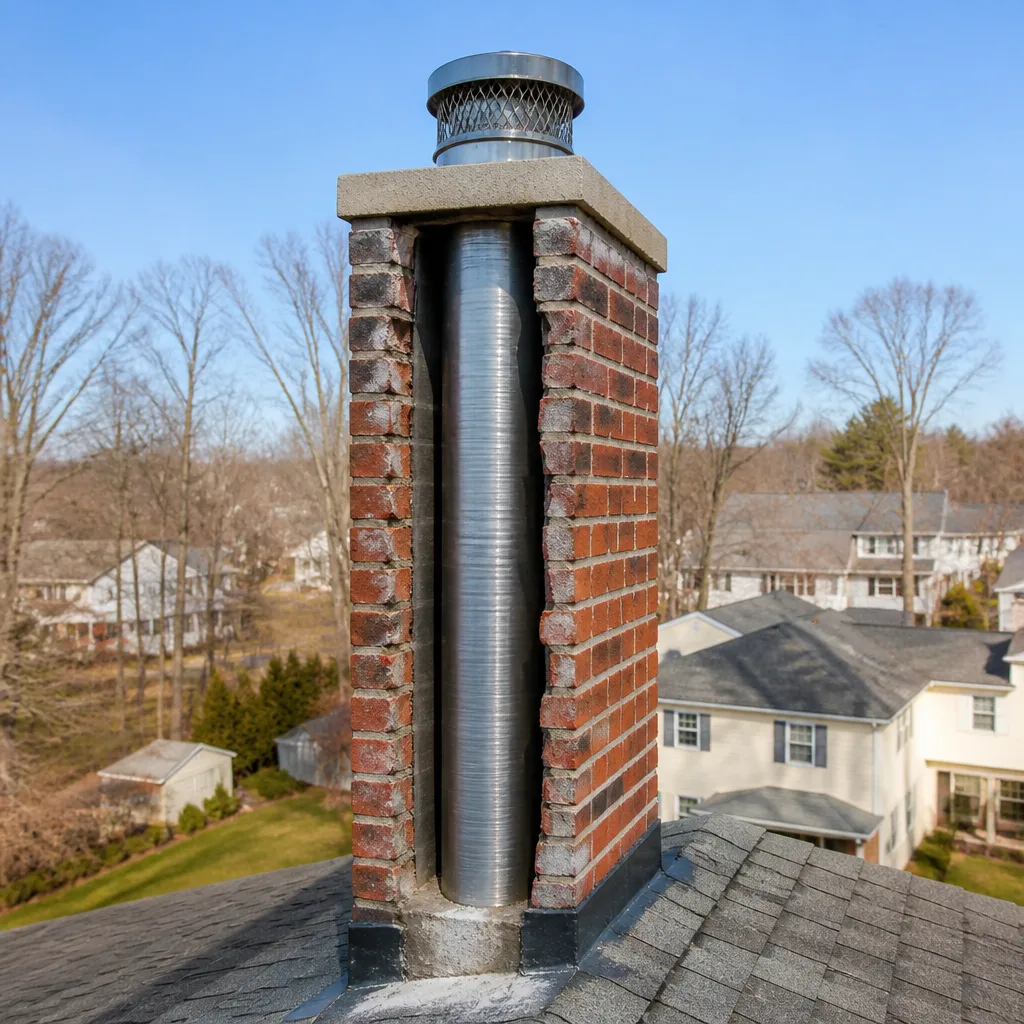 Flue relining
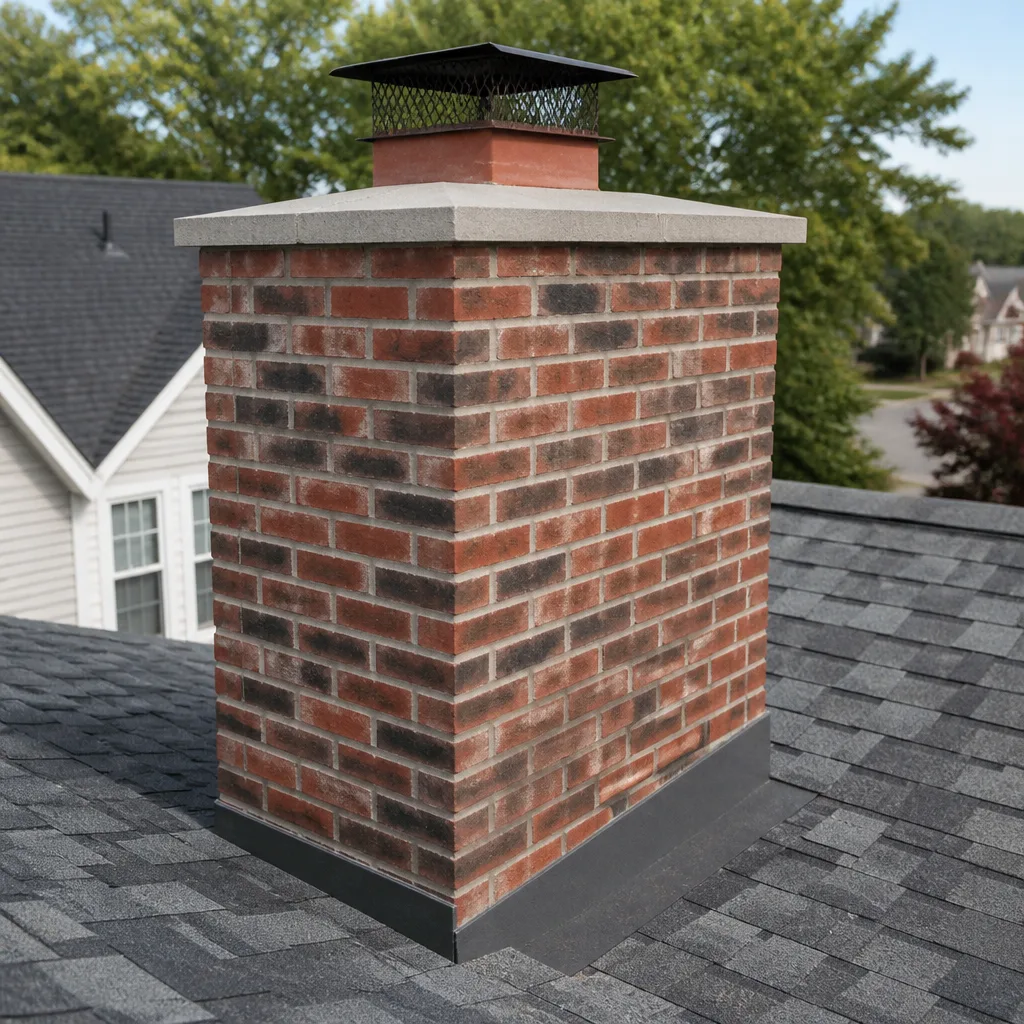 Masonry repair
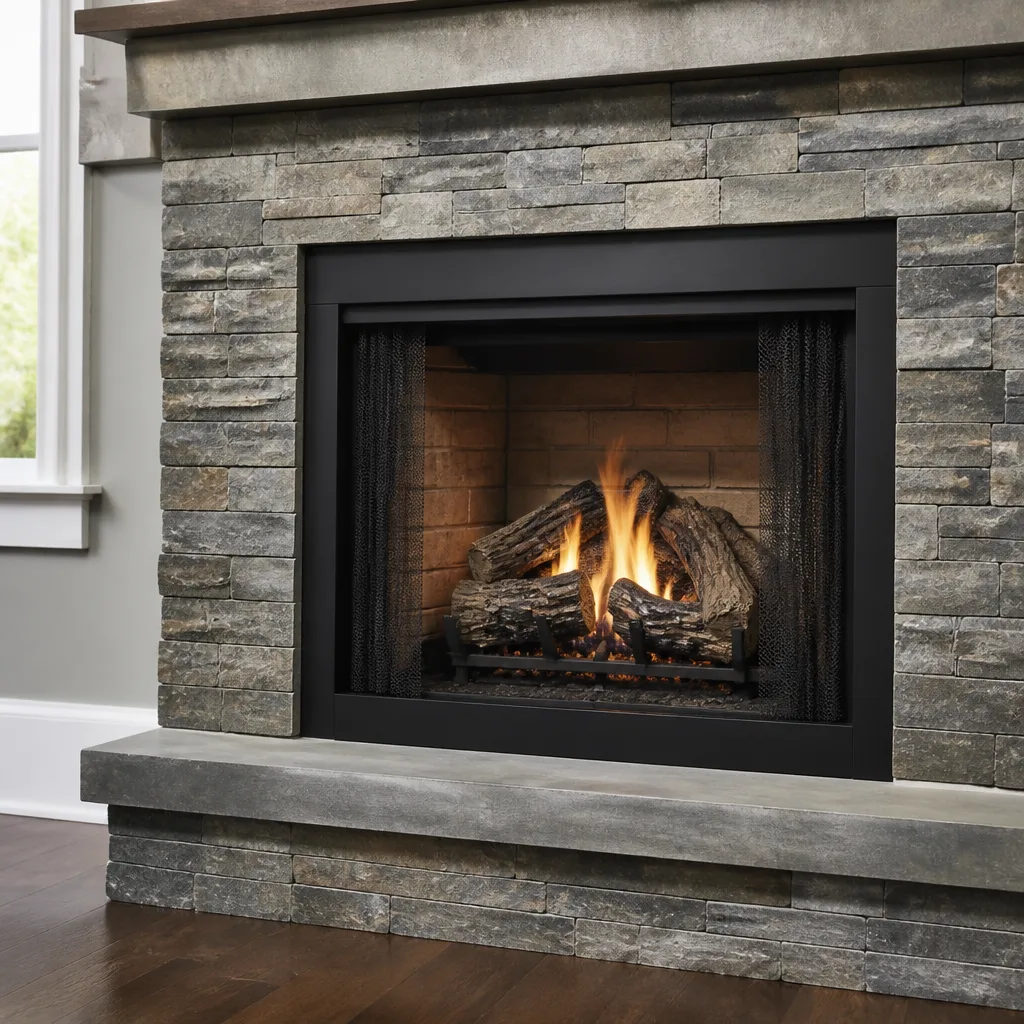 Gas fireplace service
Level 1 sweep and inspection to the NFPA 211 annual standard - flue, crown, cap, and flashing checked and photographed
Chimney sweep logs do not sweep chimneys. They loosen some creosote - which then falls where a brush and vacuum still have to collect it.
Chimney Cleaning Emergency Preparedness Guide for Brier Creek Homes
Most chimney emergencies aren’t really sudden. A chimney fire in a masonry flue can burn at over 2,000°F and last 30 minutes, and many homeowners don’t realize one is happening because modern airtight stoves suppress the visible signs. By the time you smell it, the liner is already damaged. The same pattern shows up with carbon monoxide events and backdraft failures – long buildup, quiet warning signs, then a problem that can’t wait. What separates a scary hour from a real disaster is knowing whether what you’re facing is actually an emergency and what to do first. This guide walks through the three main types of chimney emergencies, how to respond to each in sequence, and what to stage in your Brier Creek home before the first fire of the season.
Quick Answer
If you suspect an active chimney fire, call 911 first and get everyone out of the house – don’t try to fight it from inside. If the problem is carbon monoxide (your detector is sounding), open a window, step outside, and call 911. If the chimney is smoking into the room or drafting poorly but there’s no fire emergency, call a certified sweep for a same-day inspection before you light another fire. After any confirmed chimney fire, the fireplace can’t be safely used again until a trained professional performs a Level 2 inspection under NFPA 211 to check the liner for damage.
Styles & brands we work with
- Sweep & inspection
- Caps & crowns
- Flue relining
- Masonry repair
- Gas fireplace service
Table of Contents
- The Three Types of Chimney Emergencies in Brier Creek
- Active Chimney Fire: Immediate Step-by-Step Response
- Carbon Monoxide Event: What to Do in Sequence
- Sudden Draft Failure and Backdraft
- Post-Fire Inspection Requirements (NFPA 211 Level 2)
- What to Have Staged Before the First Fire
- Maintenance Failures That Precede Each Emergency
- How an Annual Cleaning Prevents Most of Them
The Three Types of Chimney Emergencies in Brier Creek
In practice, chimney emergencies fall into three families, each with its own symptoms and its own response. Knowing which one you’re facing is the first decision, because the actions that save a home in one scenario aren’t the right ones in another.
1. Active chimney fire. This is a fire inside the flue, usually fed by creosote buildup on the liner walls. Signs range from the obvious (a roaring sound like a freight train, thick black smoke from the top of the chimney, a visible glow at the chimney cap) to the subtle (a loud “crackling” or “popping” heard through the chimney breast, a sudden smell of burning that wasn’t there a minute ago). Airtight stoves and modern fireplaces often contain the fire so well that the homeowner doesn’t see flame or smoke leaving the top of the chimney. The smell of a hot, metallic tang or the sound of popping is often the only clue.
2. Carbon monoxide infiltration. This is chimney gas coming back into the living space rather than leaving through the flue. A CO detector sounds, or the occupants feel symptoms without an obvious fire in progress – headache, dizziness, nausea, drowsiness. CO is colorless and odorless, so the detector is the signal, and any detector alarm is treated as a real event until proven otherwise.
3. Sudden draft failure or backdraft. This is the case where the chimney has stopped pulling properly. Smoke rolls into the room from the firebox, ash or soot drifts into the living space, or a fire refuses to draw. Draft failures come from a blockage (a bird nest, a collapsed liner tile, or a sagging flue), a badly closed or failing damper, or a pressure change inside the house if other exhaust equipment is running. In Brier Creek, where many homes are fairly tight and use powerful kitchen and bath exhaust fans, pressure-related backdrafts during shoulder season are common.
Take ten minutes before your next fire to walk through these three lists. When you smell something odd, the ability to say “that’s a fire smell at the cap, not a draft failure” gets your hand on the phone faster and the right call out the door.
Active Chimney Fire: Immediate Step-by-Step Response
A chimney fire is the emergency where speed and sequence matter most, and where doing the wrong thing first can cost you the house. If you believe there is an active fire inside the chimney, act in this order:
- Get everyone out of the house. Adults, children, pets. There is no second priority.
- Call 911. Even if the fire seems small or already out. Chimney fires can reflash inside the flue or find their way into framing. The fire department is the trained response, not a sweep.
- Close the firebox door or glass doors. If they’re open, close them. Starving the fire of oxygen inside the firebox helps slow it. If you have an airtight stove, close the air intakes.
- Do not put water on it. A masonry flue can crack or explode from thermal shock when water hits a 2,000°F flue. Don’t spray the firebox, don’t pour water down the chimney.
- If you have a chimney fire suppressant product staged, use it only if you can do so safely and only from a position where you can retreat. If you’re not staged or not sure, skip this step.
- Wait for the fire department outside. Do not re-enter for belongings.
After the fire department clears the building, do not build another fire in that fireplace – even a small diagnostic one – until the flue has been inspected by a trained chimney professional. What the fire department cleared is the house; what a sweep clears is the flue. Those are two different things, and the one we handle is the one that decides whether you can safely burn again.
If you’re in the middle of this right now: call 911, then call us at (866) 937-8959. We answer 24/7. Fast dispatch from 7am to 7pm, Sunday through Friday – a call outside dispatch hours is booked into the next opening.
Carbon Monoxide Event: What to Do in Sequence
Carbon monoxide is the emergency that doesn’t smell. If your CO detector is sounding, or if multiple people in the home are suddenly feeling the same headache, nausea, or drowsiness, treat it as a real CO event until proven otherwise. Sequence matters:
- Don’t look for the source first. Get everyone out of the house, then get fresh air.
- Call 911 from outside. Explain that a CO alarm sounded and describe who was inside.
- Don’t re-enter to open windows. The fire department will ventilate and use meters to confirm whether the house is safe.
- Don’t turn appliances back on until the gas company or fire department has cleared the house and the fireplace has been inspected.
The most common causes of CO infiltration we see in Brier Creek are blocked or partially blocked flues, a damaged liner that lets gas escape into the chimney structure, a fallen flue tile, bird nests packed at the top of the chimney, and negative pressure inside the house pulling combustion gas back down. All of these are things a trained professional can see during an inspection – and none of them are visible from the living room.
If the fire department has locked your fireplace out, the next call is to a sweep for the inspection. Call (866) 937-8959. We answer 24/7. Fast dispatch from 7am to 7pm, Sunday through Friday.
Sudden Draft Failure and Backdraft
Draft failures startle homeowners because they look like an emergency and often aren’t one – but they can become one. The symptoms are smoke rolling into the room from the firebox, ash blowing into the living space, a fire that won’t stay lit, and the smell of cold smoke every time the heat kicks on.
The first response is always the same: extinguish the fire (close the firebox door and air intakes, let it die), open a nearby window to relieve pressure, and get out if smoke is filling the room. Do not try to choke a smoky fire with the damper; wait until the fire is out and the room has cleared.
Once you’re calm and the room is safe, the questions are practical:
- Was exhaust equipment running when the fire started? Kitchen and bath fans in a tight modern home can overpower a chimney’s draft.
- Is the flue blocked? A bird nest, a fallen tile, or a heavy creosote load at the top can reduce draft dramatically.
- Is the chimney cap clogged or the screen blocked? A clogged cap can’t pass smoke any more than a clogged flue can.
- Is the liner damaged or the wrong size for the appliance?
The answer to any of those needs eyes on the flue – camera inspection, not a flashlight tapped around the firebox. A sweep with a camera can tell you in ten minutes whether the draft failure is a maintenance problem (clearable) or a real repair (liner, cap, or flue structure). Same-day service is available for unresolved draft failures, and the inspection findings tell you exactly what’s safe to do next.
If you’re dealing with a draft failure right now, the safest move is to stop burning and call (866) 937-8959. We answer 24/7. Fast dispatch from 7am to 7pm, Sunday through Friday – a call outside dispatch hours is booked into the next opening.
Post-Fire Inspection Requirements (NFPA 211 Level 2)
After any confirmed chimney fire, the fireplace needs a Level 2 inspection under NFPA 211 before it can be safely and legally used again. This isn’t a happy-to-have add-on; it’s the baseline the trade works from. A Level 2 inspection goes beyond what you can see with a flashlight pointing up the flue – it includes access to concealed areas of the chimney, video footage of the entire flue, and a documented report on the liner, damper, smoke chamber, cap, and crown.
What a Level 2 inspection after a chimney fire actually looks for:
- Liner integrity. Cracks, gaps, spalling, and offset tile joints the fire may have worsened.
- Creosote glazing. The fire may have turned a normal soot load into hardened glaze that no sweep will pull off with a brush.
- Smoke chamber damage. The smoke shelf and damper assembly are where fires most often do structural damage.
- Crown and cap condition. Fires don’t usually damage the cap, but a post-fire inspection is a good moment to see whether the cap and crown are still doing their jobs.
- Structural chimney damage. Masonry cracks at the roofline, chimney movement, or a fire-damaged flue that needs more than a cleaning.
In many cases the answer after a chimney fire is a repair report, not a full relining bill. HeatShield ceramic resurfacing is often the right answer when the damage is limited to the liner’s inner surface – it restores a damaged flue without the cost of a full reline, and it’s the repair most homeowners have never heard of. When the damage is broader, a full liner replacement with a DuraFlex flexible liner system specified for an older or offset flue is the more reliable route. The point is diagnosis before cost: nothing recommended without camera evidence you can see for yourself.
If your fireplace is currently locked out after a chimney fire, call (866) 937-8959 to book a Level 2 inspection and know where you stand. We answer 24/7. Fast dispatch from 7am to 7pm, Sunday through Friday.
What to Have Staged Before the First Fire
The single biggest difference between a homeowner who handles a chimney emergency well and one who doesn’t is what was bought and set up months before. Staging is not expensive and takes less than an hour.
Carbon monoxide detectors. Place a working CO detector near the fireplace and on every level of the home with sleeping areas. CO is heavier than air at room temperature but mixes through the home quickly; detector placement near the fireplace catches the fire-source event early. Test them before the first fire of the season, not once a year at a random date. Every Brier Creek home with a wood-burning or gas fireplace should also have a detector in the hallway outside the fireplace room.
Chimney fire suppressant. A chimney fire suppressant product (a fire-suppression stick or powder designed for flue fires) sits near the fireplace, not in a closet at the other end of the house. Read the label once and know what to do with it. If you’re not completely confident you can use it safely from a retreating position, don’t – and never use it as a substitute for calling 911.
Fire extinguisher. A multi-purpose extinguisher near the fireplace, and one in the kitchen. Check the pressure gauge before the season starts.
Flashlight and a phone charger in the same place. Emergencies are dark and phones die.
Local sweep contact. Write us on the fridge or in the cabinet above the fireplace: (866) 937-8959. The last thing anyone wants to do during a chimney problem is search their phone for a number that works. We answer 24/7. Fast dispatch from 7am to 7pm, Sunday through Friday.
Detector for the smoke alarm too. A chimney fire inside a masonry flue doesn’t always set off a room smoke detector until smoke enters the room. The CO detector and the smell of the fire are often the first signs. Keep a detector’s batteries fresh on every level.
Maintenance Failures That Precede Each Emergency
Each emergency type traces back to a set of skipped maintenance items. In our experience, the same short list of failures shows up again and again across Brier Creek homes.
Active chimney fire – top causes:
- Creosote buildup left too long. The 1/4-inch to 1/8-inch standard is real: once the soot and creosote layer reaches that depth, a hot fire can ignite it.
- Burning unseasoned or wet wood, which loads the flue with more creosote per fire.
- Burning paper, trash, or Christmas wrap. These create hot, fast flare-ups that can light accumulated creosote.
- Skipping the annual sweep because “we only burned a few fires.”
CO infiltration – top causes:
- A damaged or cracked liner letting flue gas into the chimney chase.
- A blocked flue (bird nest, fallen tile) that reduces draft to the point combustion gas can’t leave.
- Negative pressure in a tight house, often from exhaust fans.
- No working CO detector to catch the problem early.
Draft failure – top causes:
- A clogged chimney cap or mesh screen. This one is easy to miss and easy to fix.
- A partially collapsed flue or an offset tile joint that slows smoke.
- A damper stuck partway, or a broken damper operator.
- A chimney crown or masonry crack that’s letting in water, which changes the flue’s surface and draft over time.
Every item on these three lists is caught during a proper annual cleaning and inspection, and it’s caught while it’s still a maintenance item, not an emergency. A swept flue isn’t the same as an inspected one – we always do both. The cleaning removes what’s there; the inspection tells you what would cause the next emergency, before it does.
How an Annual Cleaning Prevents Most of Them
The math of chimney fire prevention is straightforward: creosote has to go before it accumulates to a dangerous depth, and the flue has to be looked at before the season starts. A chimney sweep removes the soot and creosote layer, and an inspection looks at what a brush can’t see – the liner surface, the damper, the smoke chamber, the cap, the crown. Doing both once a year is the standard recommendation from every certified sweep we know, and it’s the cheapest thing you’ll ever do to your chimney.
For Brier Creek homes specifically, the timing matters. Wake County’s shoulder seasons are long, but the first real cold snap is when most households light the first fire – usually before they’ve scheduled a sweep. Booking the sweep in late summer or early fall means the flue is inspected before the burning season begins, and any repair that needs a few days can be scheduled without running the fireplace cold for a week. A house that skipped a year is more likely to have a 1/4-inch or more creosote load by the time the first fire is lit, and a house that skipped two years is much more likely to see a chimney fire in the first month of the season.
Annual cleaning also catches the two failures that most often precede a CO event and a draft failure: a degraded liner that needs fireplace repair or resurfacing, and a clogged or damaged chimney cap & crown. Both are visible during the inspection and both are far cheaper to fix as maintenance than as an emergency response. We work with professional-grade brands for each: HeatShield for ceramic liner resurfacing, DuraFlex for flexible liner retrofits, and Gelco, Olympia Chimney, and Famco for cap and crown products built specifically for chimney moisture protection. The right product for the job is a defined decision, not a sales pitch – and the sweep you hire should be able to tell you which one and why.
If you’re not sure when your chimney was last inspected, that’s the answer: it’s due. Call (866) 937-8959 to book a sweep and inspection before the burning season. We answer 24/7. Fast dispatch from 7am to 7pm, Sunday through Friday.
Common Mistakes to Avoid
- Waiting to call 911 during an active chimney fire. A homeowner who “just wants to give it a minute” loses the minute that mattered. Get out, then call.
- Pouring water on a chimney fire. Thermal shock can crack a 2,000°F flue and turn a contained fire into a structural one. Close the firebox, get out, let the fire department do its job.
- Relighting after a chimney fire because “it seems fine.” A chimney fire can leave the liner cracked and the framing charred without visible smoke. The NFPA 211 Level 2 inspection is the only safe answer before you burn again.
- Treating a CO alarm as a false alarm. CO detectors rarely false-alarm. Every alarm gets a fresh-air response and a call to 911 and the gas company, no exceptions.
- Assuming a chimney sweep is the same as an inspection. A swept flue isn’t the same as an inspected one. The cleaning prevents creosote fires; the inspection prevents the flap that comes after the cleaning.
- Skipping the sweep because “we only burned a few fires.” Creosote doesn’t care how many fires you burned – it cares how wet the wood was and how cool the flue ran.
- Not having a working CO detector near the fireplace. It’s the least expensive item in this guide and the one that buys the most time during a CO event.
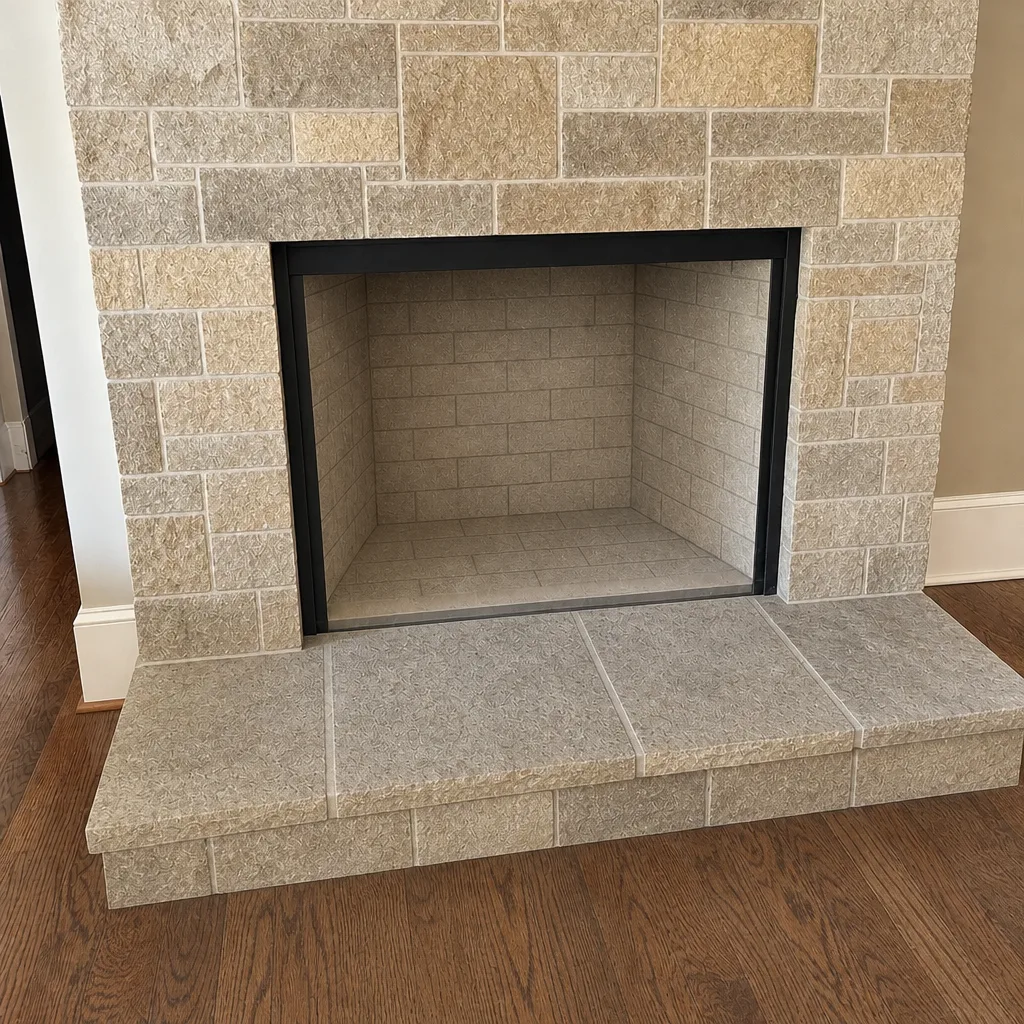
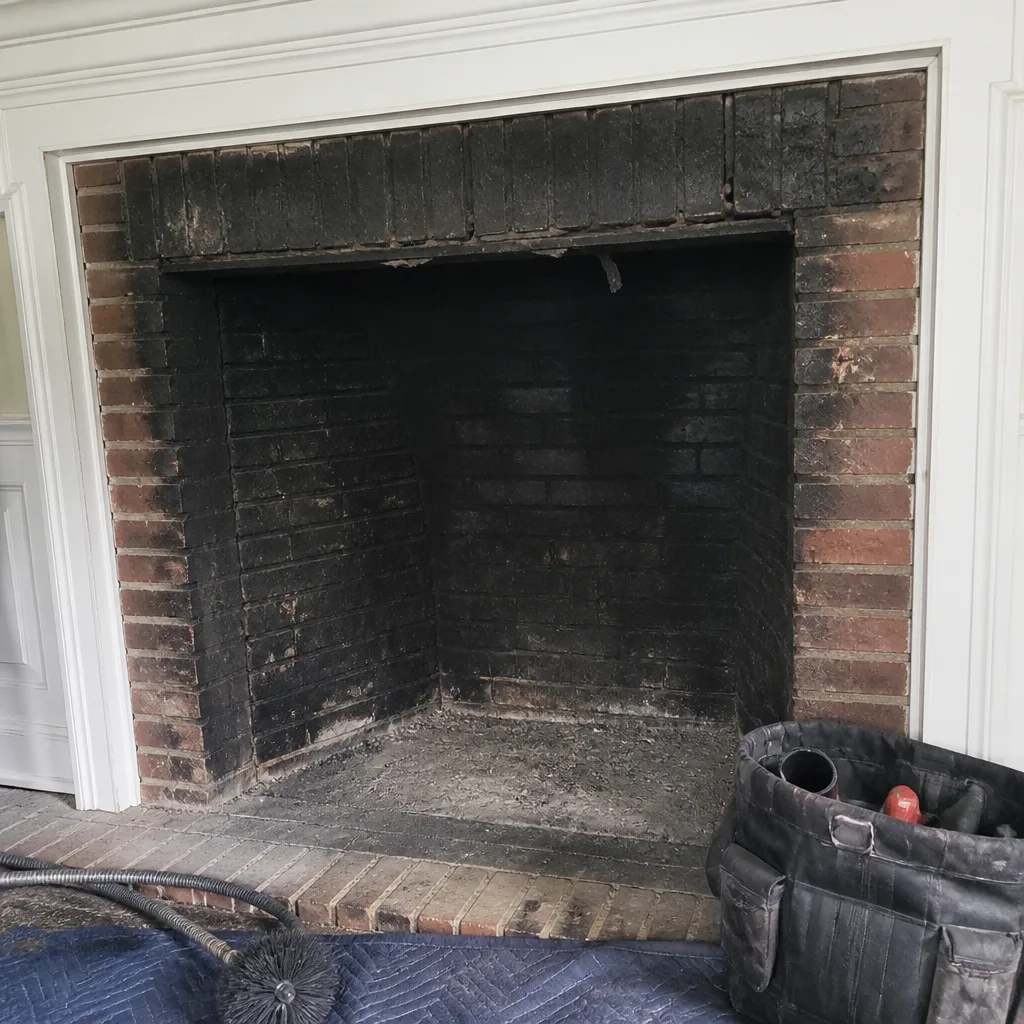
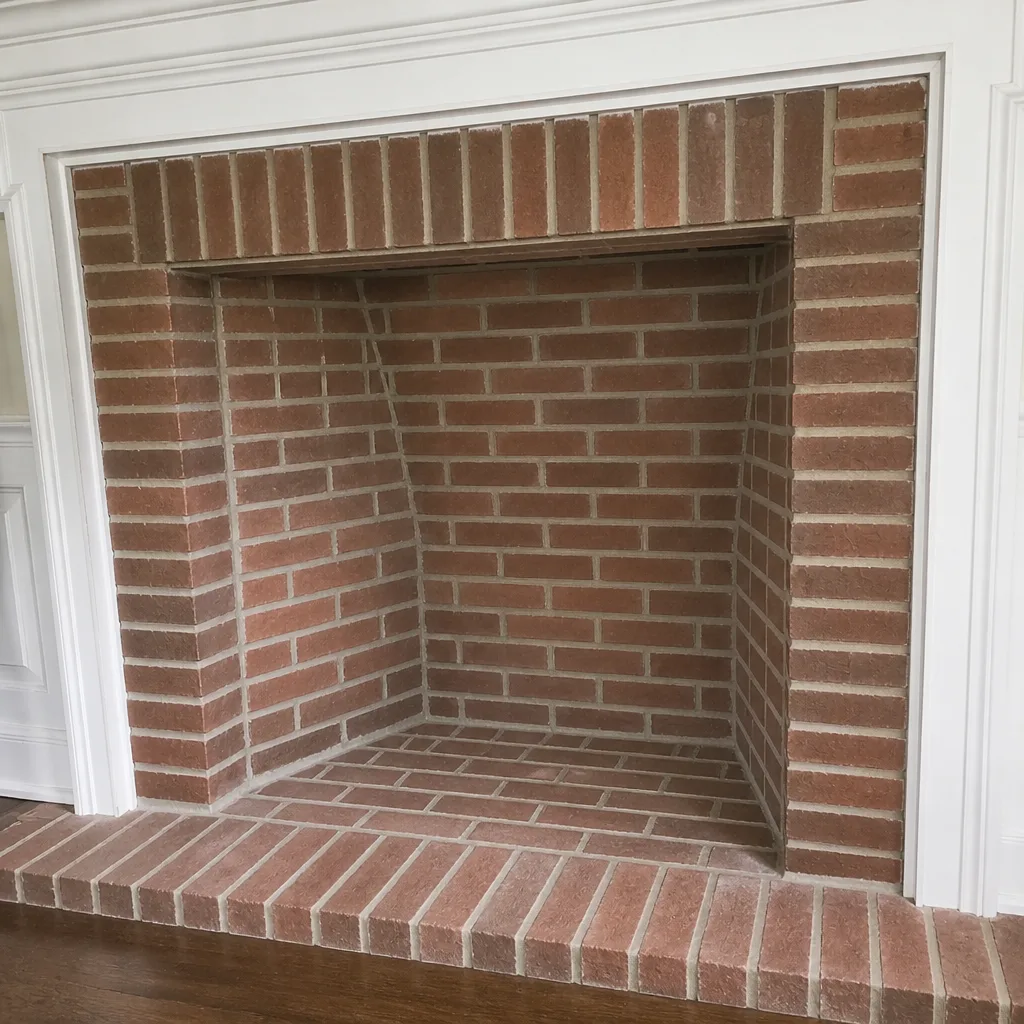
See the difference
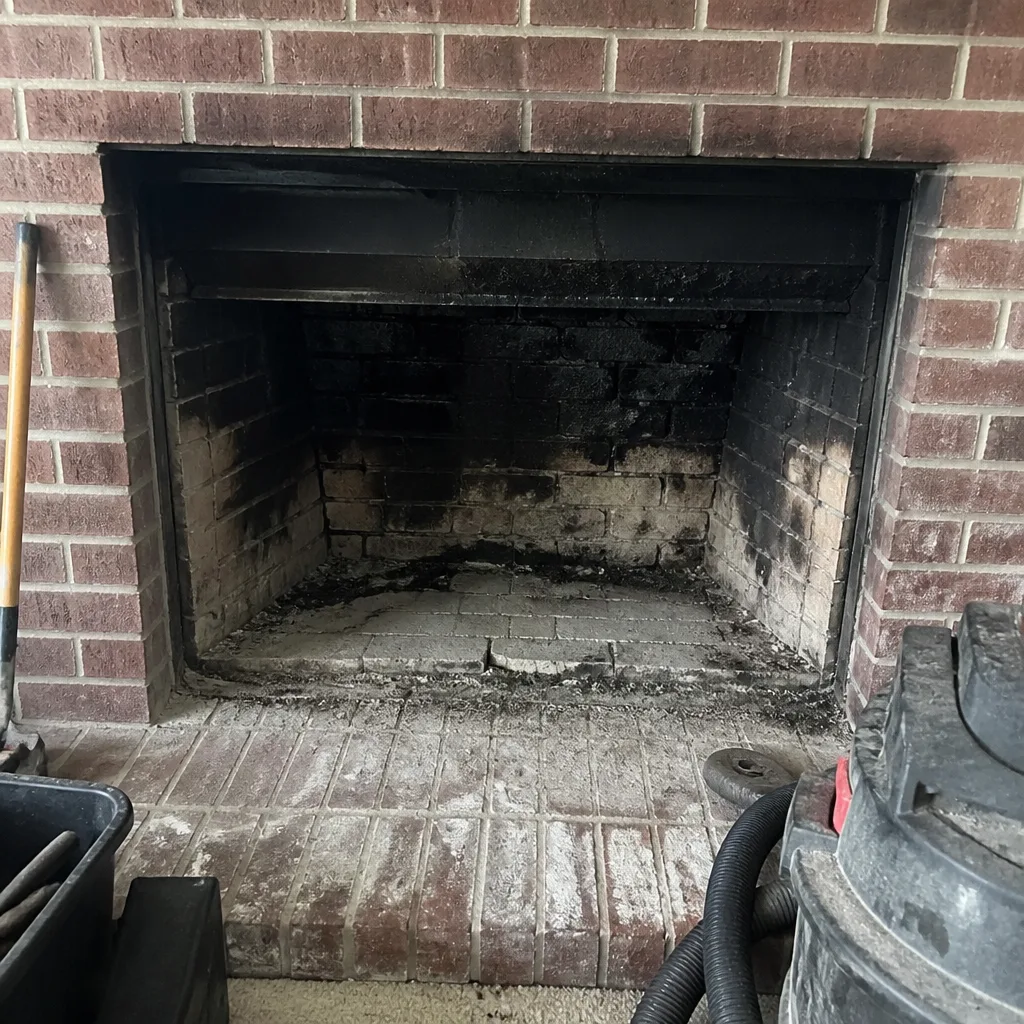 Before
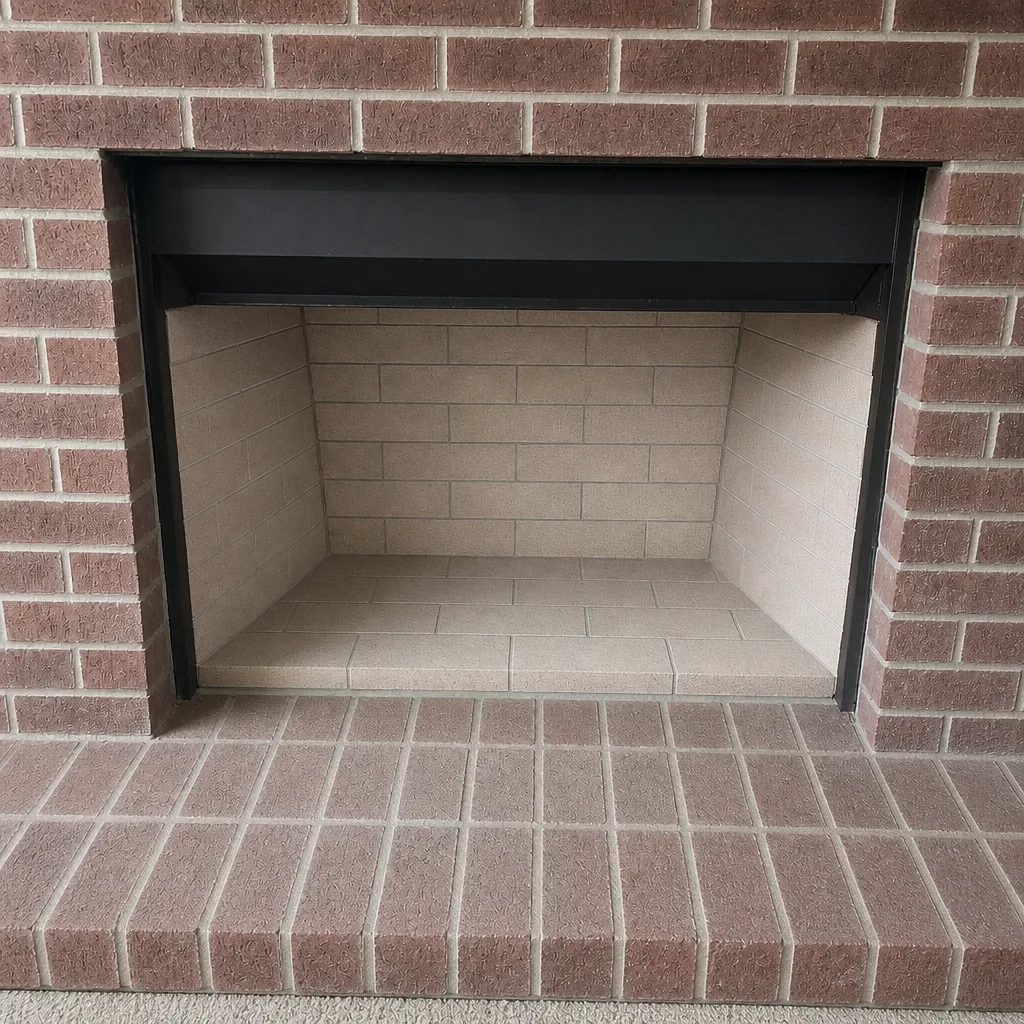 After
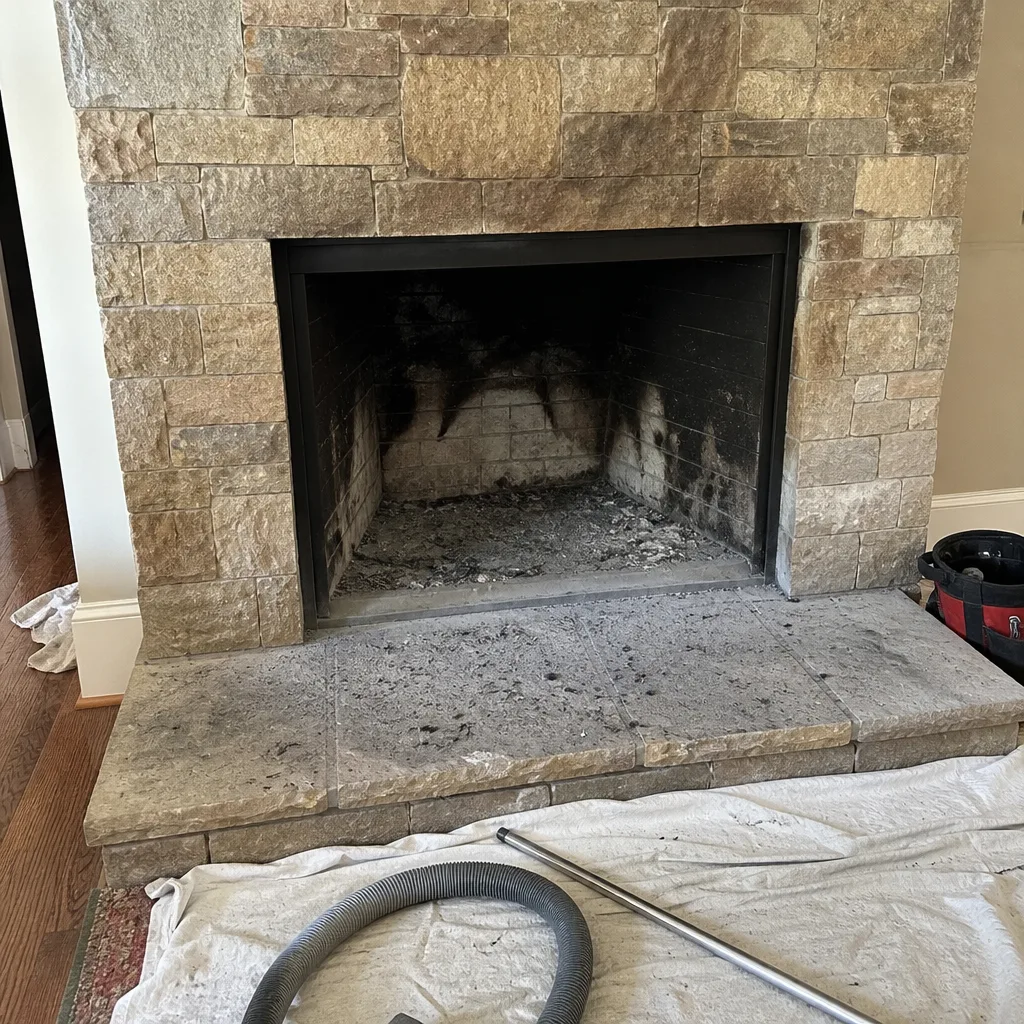 Before
 After
 Before
 After
When to Call a Professional
Call a professional any time you smell smoke in a room where a fire isn’t burning, any time a fire smokes into the living space, any time a chimney fire has occurred (even if it seems out), any time a CO detector has sounded, and any time a cap or crown is visibly damaged or missing. Those are the cases where a trained sweep needs to see the flue with a camera. You should also call before the first fire of the season, whether or not anything looks wrong – the sweep is cheaper than the repair. And call if a neighbor’s chimney or a recent storm has put debris on your roof; chimney caps collect what the wind sends them. Chimney Sweep Brier Creek offers free estimates in Brier Creek – call (866) 937-8959. We answer 24/7. Fast dispatch from 7am to 7pm, Sunday through Friday, closed Saturday. Every job is priced by a written estimate before booking.
Frequently Asked Questions
Look for a roar or a popping sound from the chimney, a hot metallic or burning smell stronger than the fireplace itself, thick smoke or a glow at the chimney top, or a sudden temperature swing at the chimney breast. Modern airtight stoves often suppress the visible signs, so the sound and smell are often the only ones you get. If you suspect an active fire, call 911 and get out – don’t wait for confirmation. Call (866) 937-8959 afterward to arrange the post-fire inspection.
No. The fire department clears the house; the flue needs a Level 2 inspection under NFPA 211 before the fireplace is safe and legal to use again. A chimney fire can leave the liner cracked, the smoke chamber damaged, or the creosote glazed without any visible sign. The inspection is the only way to know. Call (866) 937-8959 to book a Level 2 inspection – estimates are free.
Yes. Carbon monoxide is colorless and odorless, and a CO alarm is a real alarm until proven otherwise. Get everyone outside, call 911, and don’t re-enter to open windows. After the fire department clears the house, call a sweep for an inspection of the flue and fireplace. Call (866) 937-8959 if you need that inspection scheduled.
Once a year for most homes, and more often if you burn wet wood, burn frequently, or use an older appliance that produces more creosote. The standard is the 1/4-inch to 1/8-inch creosote layer – once it builds to that depth, the flue is at risk of a chimney fire. An annual sweep and inspection is the standard practice for every wood-burning or gas fireplace. Call (866) 937-8959 to book yours before the burning season.
That’s a draft failure, not an active chimney fire. Close the firebox door and air intakes, let the fire die, open a nearby window, and get out if smoke is filling the room. Don’t try to relight until a sweep has inspected the flue for blockage or damage. Call (866) 937-8959 – same-day service is available for unresolved draft failures.
Not always new. It depends entirely on what the camera shows. When the damage is limited to the liner’s inner surface, HeatShield ceramic resurfacing can restore the flue at a fraction of relining cost. When the damage is broader – a cracked tile, an offset flue, or a failed joint – a DuraFlex flexible liner replacement is the more reliable route. Nothing is recommended without camera evidence you can see for yourself. Call (866) 937-8959 for a free estimate.
Creosote builds on the flue walls with every fire, and at the 1/4-inch depth it becomes fuel for a chimney fire. Skipping the sweep also means skipping the inspection that catches a damaged liner, a blocked cap, or a failing crown before they turn into a CO event or a draft failure. The annual sweep is the cheapest chimney work there is, and it’s the one that prevents the rest. Call (866) 937-8959 to book it.
The Bottom Line
Chimney emergencies follow patterns, and the patterns are manageable: get out and call 911 for an active fire or a CO alarm, stop burning and call a sweep for a draft failure, and never relight after a chimney fire until a Level 2 inspection clears the flue. The prep is cheap and simple – a CO detector near the fireplace, a fire suppressant within reach, a fire extinguisher, and our number on the cabinet above the fireplace. The annual sweep and inspection is what prevents all three emergencies from happening in the first place. If you want to know where your Brier Creek chimney stands before the first fire, start there. Chimney Sweep Brier Creek handles all of it, from the sweep to the cap and crown, so you don’t need a second contractor. Call (866) 937-8959 for a free estimate. We answer 24/7. Fast dispatch from 7am to 7pm, Sunday through Friday, closed Saturday.
Written by the team at Chimney Sweep Brier Creek.