
Last updated November 24, 2026
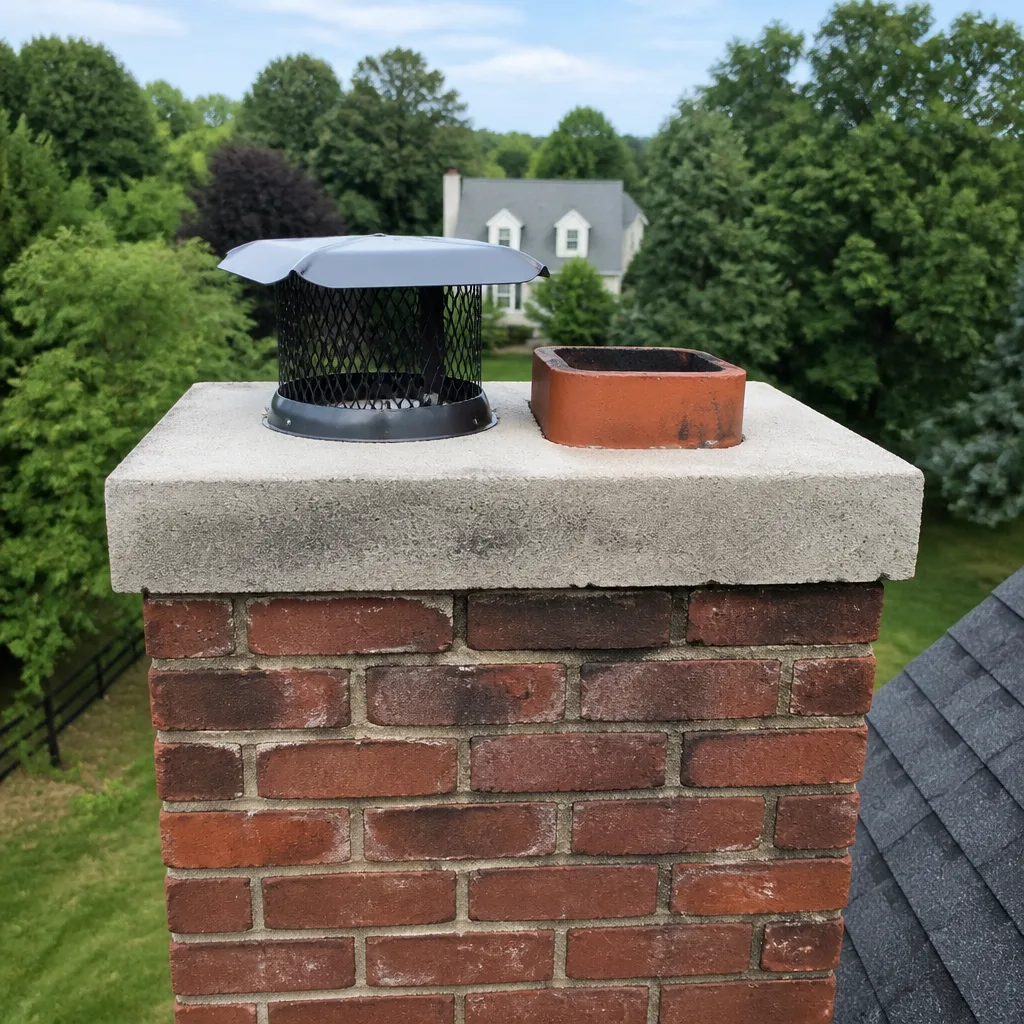 Sweep & inspection
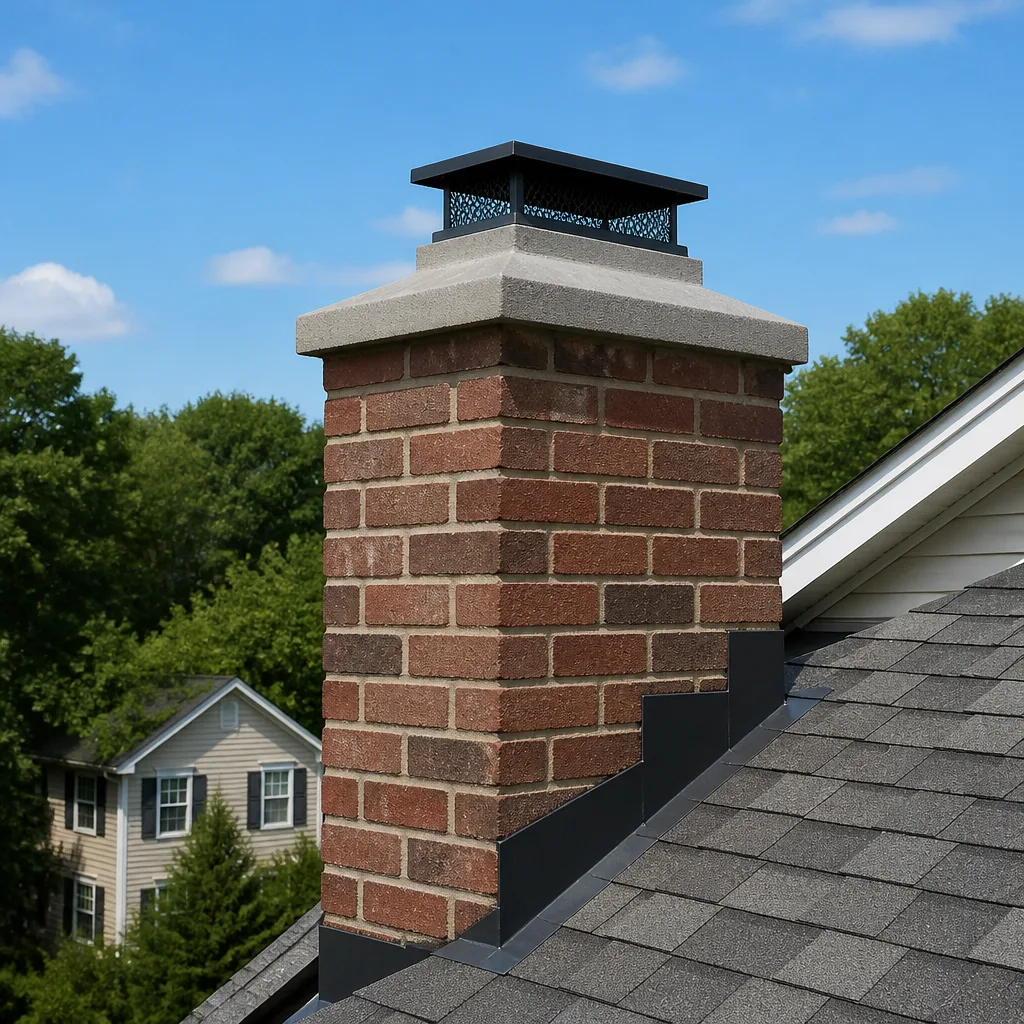 Caps & crowns
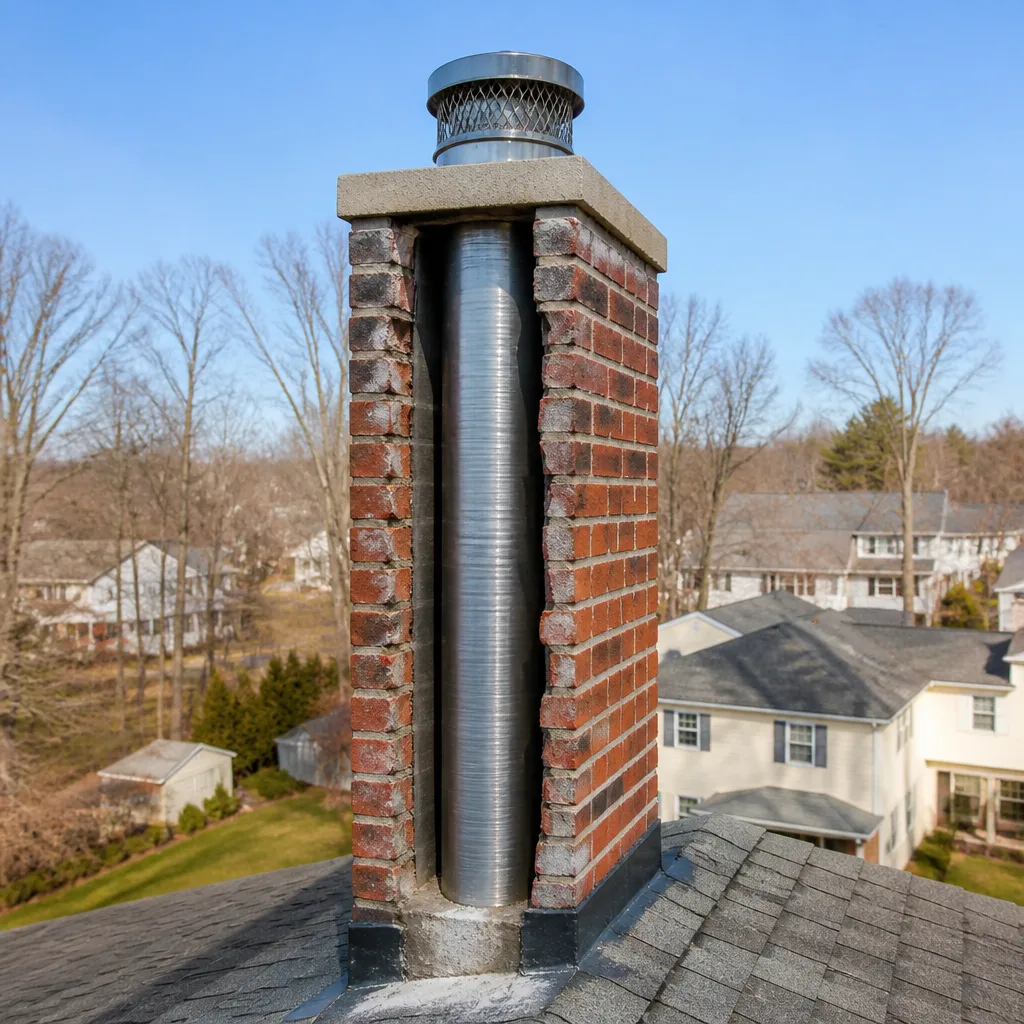 Flue relining
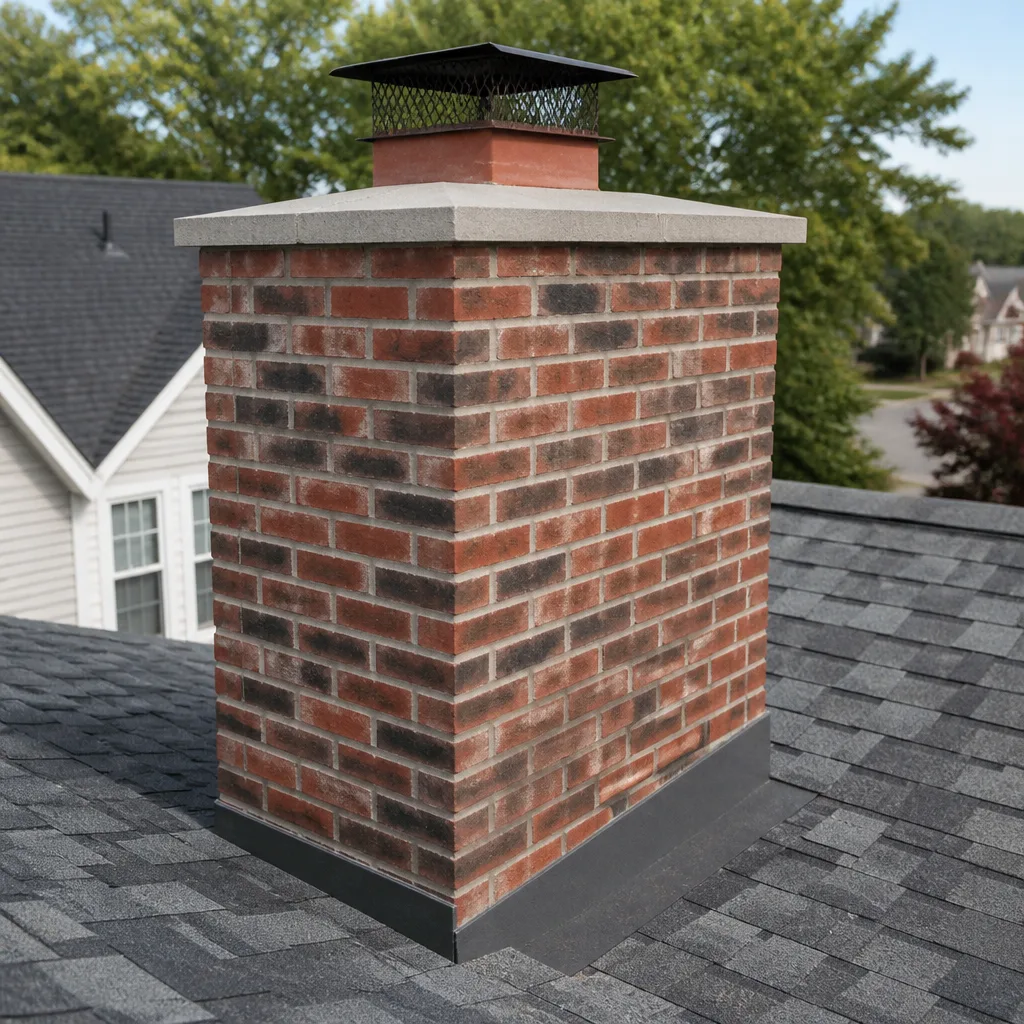 Masonry repair
 Gas fireplace service
Level 1 sweep and inspection to the NFPA 211 annual standard - flue, crown, cap, and flashing checked and photographed
Chimney sweep logs do not sweep chimneys. They loosen some creosote - which then falls where a brush and vacuum still have to collect it.
DIY vs Professional Chimney Cleaning: The Brier Creek Homeowner’s Decision Guide
Homeowner chimney brushing kits do remove loose debris. What they don’t do is tell you that the tile liner behind the creosote you just swept out has a hairline crack running through a mortar joint, or that the flue you cleaned is drafting backward on the first fire of the season. The cleaning part is achievable for a careful homeowner with the right setup. The inspection that makes the cleaning worthwhile is a different job. In this guide we’ll walk through exactly what a brush kit can and can’t accomplish, the equipment a full cleaning requires, what the diagnostic tools actually measure, how self-performed work affects insurance and warranty coverage, and a realistic cost comparison for a Brier Creek home. You’ll finish with a clear picture of when to do it yourself and when calling a professional is the only sensible option.
Quick Answer
A careful homeowner can safely sweep a straight, accessible flue with a proper brush kit and good containment, but cannot perform the camera inspection, draft testing, carbon monoxide measurement, and mortar joint probing that determine whether the chimney is safe to use. For most Brier Creek homeowners, DIY makes sense only as an interim step between professional cleanings, and never as a substitute for an inspection after a change in fireplace performance. The cleaning is easy. The diagnosis is not.
Styles & brands we work with
- Sweep & inspection
- Caps & crowns
- Flue relining
- Masonry repair
- Gas fireplace service
Table of Contents
- What a Homeowner Can Safely Do With a Brush Kit
- The Equipment a Real Cleaning Requires
- What a Brush Can’t Tell You: The Diagnostic Tasks
- Insurance and Warranty Implications of Self-Performed Work
- DIY vs Professional: A Realistic Cost and Time Comparison
- The One Scenario Where DIY Isn’t an Option
- How Brier Creek’s Climate Affects Your Chimney
- How Often Should a Brier Creek Chimney Be Swept?
What a Homeowner Can Safely Do With a Brush Kit
Let’s be honest about the limits and the possibilities. A brush kit does real work. If your chimney has a straight vertical flue, reasonable access from the firebox or the roof, and no offsets or significant damage, a homeowner with the right brush, rods, and containment can remove a meaningful amount of soot and creosote from the flue walls. That is genuine cleaning, and it extends the interval between professional visits.
The list of what a homeowner can reasonably accomplish:
- Removing loose soot and light creosote deposits from a straight, unobstructed flue with a properly sized poly brush.
- Clearing a light blockage caused by a bird nest or leaf debris when it can be reached and removed safely from the top or bottom.
- Keeping the firebox and smoke chamber reasonably clean with hand tools and a vacuum rated for fine ash.
- Maintaining a clean cap screen so rain, debris, and small animals stay out of the flue between professional visits.
- Spotting obvious visual problems like a cracked crown, a damaged cap, or visible creosote glaze on the flue walls when the flue is accessible and well-lit.
Notice what’s missing from that list: any determination about the condition of the liner, the integrity of the mortar joints, the draft performance, or the presence of carbon monoxide in the living space. Those are diagnostic tasks and they require equipment and training that no reasonable homeowner has in the garage. If you’re in a newer Brier Creek subdivision with a straight flue and you keep up with annual professional inspections, a mid-season brush-out is fine. If your home has an older masonry chimney with original tile liner, the limits of what you can safely do drop fast.
The Equipment a Real Cleaning Requires
A real cleaning is not a brush on a stick. The professional setup exists for two reasons: to reach the entire flue without damaging it, and to keep the soot out of your living space. Getting the containment wrong is the most common way a DIY job goes badly for a Brier Creek homeowner. That fine black ash migrates through an open floor plan in minutes and settles on every horizontal surface in the house.
What a proper cleaning involves, from equipment to containment:
- Correctly sized brush heads. A poly brush sized to the flue’s interior dimension cleans effectively without scraping the tile. Too large and you crack tiles; too small and you leave the glaze.
- Flexible rods of sufficient length to reach the top of the chimney from the firebox or the bottom from the roof, with enough control to work around minor offsets.
- Heavy drop cloths or plastic sheeting taped to the firebox opening and surrounding hearth, plus a HEPA-rated vacuum running during the entire sweep to capture airborne particulate.
- Respiratory protection and eye protection. Soot and creosote are hazardous to breathe. A dust mask and sealed goggles are the minimum.
- A method to reach the roof safely if cleaning from the top down, which for most Brier Creek homes means a proper roof ladder, harness, and the confidence to work on a pitched surface. If any of that makes you hesitate, the job is over before it starts.
- Containment of the debris. Swept soot and creosote are not regular household waste. They need to be bagged, removed, and disposed of properly, not vacuumed into a household vacuum or dumped in the yard.
When we do a chimney sweep, the flat-price sweep is agreed before booking, and the containment work is a large part of why. HEPA vacuums, drop cloths, and a trained handling routine are the difference between a clean chimney and a contaminated living room.
What a Brush Can’t Tell You: The Diagnostic Tasks
This is the heart of the DIY vs professional question, and it’s the part most homeowner guides skip. A Chimney Sweep Brier Creek isn’t the same as an inspected one, and no amount of brushing tells you whether the flue is safe. Here are the diagnostic tasks that require professional tools and training:
- Camera inspection of the flue. A chimney camera run down the flue reveals hairline cracks in the tile liner, offset joints, gaps where the liner transitions to the smoke chamber, and the condition of the top few courses behind the crown. None of this is visible from the firebox with a flashlight, and the most dangerous defects hide exactly where you can’t see them.
- Smoke pencil draft testing. A smoke pencil held at the firebox opening shows whether the chimney is pulling air properly, or whether the flue is stalling, backdrafting, or turbulent. Poor draft is the cause of most “the fireplace smokes into the room” complaints, and it’s a diagnosis, not a cleaning problem.
- Carbon monoxide measurement. A CO meter in the living space during a test burn confirms that combustion gases are going up and out, not seeping back into the room. A CO problem can exist with no visible smoke and no smell.
- Mortar joint probing. The joints between flue tiles are the weakest point in an older masonry chimney. A technician probes those joints to distinguish a cosmetic crack from one that’s actually letting heat and gases reach combustible framing. That determination cannot be made by eye from below.
- Crown, cap, and flashing assessment. A trained eye catches early moisture intrusion at the crown and flashing before it turns into masonry damage. We handle cap and crown work as its own category, using product lines built specifically for chimney moisture protection like Gelco and Olympia Chimney, because water is the slow-moving problem behind most structural damage we see.
If the camera inspection turns up a cracked or spalled liner, we’re equipped to talk about repair rather than outright replacement. HeatShield is the ceramic resurfacing system the trade uses for exactly this, and we use it when it’s the right call. We repair liners without always replacing them, and that option rarely gets mentioned to homeowners who haven’t had a proper inspection.
Insurance and Warranty Implications of Self-Performed Work
Here’s the piece most homeowners don’t think about until they need it. Chimney fires and carbon monoxide incidents are exactly the scenarios where insurance claims get scrutinized, and self-performed chimney work can create gaps in coverage that aren’t obvious until a claim is filed. We’re not a law firm or an insurance advisor, so treat this as general guidance and read your own policy carefully. But the pattern is consistent enough to mention.
When coverage can become complicated:
- After a fire loss. If a chimney fire damages your home, the adjuster will ask when the chimney was last professionally cleaned and inspected. A lack of documentation makes it hard to show the chimney was maintained and can lead to a disputed or denied claim.
- After a CO incident. The same question applies. Insurance carriers treat documented professional maintenance as evidence of reasonable care.
- With manufacturer warranties. Liner and appliance warranties sometimes require installation and maintenance by qualified professionals. DIY brushing that damages a flue tile can void the warranty on the liner itself. When we install a DuraFlex flexible liner system, the documentation we provide supports the warranty on that liner.
- With real estate transactions. A buyer’s inspector or lender may ask for a professional chimney inspection report. A homeowner’s own brush-out is not a substitute, and a full inspection designed to meet real estate and insurance documentation needs is what closes that gap. If you’re selling a Brier Creek home, this matters.
The general rule: self-performed brushing that stays within safe limits is fine and nobody asks about it. But if something goes wrong, or if you’re selling, or if you’re making a claim, the record matters. Documentation from a professional sweep and inspection is cheap compared to a disputed claim.
DIY vs Professional: A Realistic Cost and Time Comparison
The DIY cost comparison looks cheap until you add everything up. A brush kit, rods, a HEPA vacuum rated for soot, drop cloths, respiratory protection, and eye protection are not one-time purchases you can piece together from the hardware store shelf and expect to work as a system. The rods have to be long enough, the brush correctly sized, the vacuum actually HEPA-rated, and the containment routine solid. A homeowner doing this once or twice a year is buying equipment that the professional already owns and has already learned to use safely.
Here’s the honest breakdown of what a typical Brier Creek homeowner faces:
- DIY equipment outlay: a quality brush kit, flexible rods, and a HEPA vacuum together represent a real upfront cost. Lower-cost kits and household vacuums are where DIY jobs most often go wrong, because undersized brushes and shop vacs designed for wood dust don’t handle soot containment well.
- DIY time: setup, containment, the sweep itself, cleanup, and debris disposal typically consume a good part of a day for a careful first-timer, and that’s assuming a straight, easily accessed flue.
- DIY risk: the cost of a cracked tile, a scratched flue, or a soot-contaminated living space can easily exceed what a professional sweep would have cost, and that’s before considering the diagnostic gap.
- Professional sweep: pricing in Brier Creek runs in the same range as the rest of the Triangle market, with the flat price agreed before booking. The sweep includes the containment, the disposal, and the camera inspection with a photo report, which is the piece that tells you whether you’re safe to burn this season.
- Professional inspection and repair: priced by job and estimated in writing before any work begins. The written estimate sets the final price.
For a homeowner who plans to burn wood every winter for the next decade, the DIY math doesn’t hold up once you account for the equipment, the time, and the diagnostic gap. The professional math is straightforward: you’re paying for the cleaning and the inspection together, and the inspection is what justifies the cleaning.
The One Scenario Where DIY Isn’t an Option
There is one scenario where professional service is non-negotiable regardless of how careful or skilled a homeowner is: any change in fireplace performance or smoke behavior. Full stop. If the fireplace used to draw well and now smokes into the room, or the draft feels weaker than last winter, or the smell of creosote lingers in the house after a fire, or a CO alarm has ever gone off, that’s not a cleaning problem and it’s not something a brush kit can address. It’s a diagnostic problem, and it needs a trained technician with camera and smoke pencil on site.
Why this is the hard line:
- Smoke behavior changes are symptoms, not causes. The fireplace smoking into the room could mean a partial flue blockage, a cracked liner, a settling chimney, or a pressure problem in the house. Brushing the flue doesn’t diagnose any of those.
- Draft loss can be structural. A chimney that no longer drafts may have a damaged liner, an offset that opened up, or a crown issue letting water into the masonry. None of that is fixable with a brush.
- Carbon monoxide has no smell. If you’re concerned about CO, a meter reading during a test burn is the only way to know. A homeowner can buy a CO detector for the living space and that’s genuinely valuable, but the professional test identifies where the CO is coming from.
- Fire behavior changes signal danger. A fire that burns hot and fast, or an unusual amount of smoke at the top of the chimney, or a roaring sound from the flue are all signs that warrant a call before the next fire. When in doubt, call, and don’t burn until a technician has looked at it.
How Brier Creek’s Climate Affects Your Chimney
Brier Creek’s climate is the kind that gives a masonry chimney a specific kind of workout. The Triangle has a long, warm, humid stretch from late spring into early fall, followed by a cool winter with plenty of freezing nights. That combination is what produces the freeze-thaw cycle that works on mortar, crowns, and flashing. Water gets into a small crack in the warm months. It freezes and expands in the cold months. It opens the crack slightly wider each winter. Repeat that for a few seasons and a hairline crack becomes a structural concern.
Add the Brier Creek housing mix into the picture. The neighborhood has a serious concentration of newer construction, with a mix of wood-burning fireplaces and gas inserts, plus a significant share of homes with prefabricated fireplaces and factory-built chimneys. Newer doesn’t mean maintenance-free. A factory-built chimney still needs annual inspection, and gas inserts still produce condensation and require venting verification. Some Brier Creek homes back up to the wooded areas near the greenway and the residential pockets close to Brier Creek Parkway, where leaf litter, pine straw, and the occasional bird nest find their way into an open flue top. A properly fitted cap is the fix for that, and we install caps using product lines built for the purpose.
Here’s what that means for your decision:
- Clean before the first fire of the season. Late summer or early fall is the right window for a Brier Creek chimney, because it lets any moisture-related damage get identified and addressed before the burning season starts. A sweep in the shoulder season is easier to book than one during the first cold snap.
- Check the crown every year. The crown is the first thing the freeze-thaw cycle attacks. A cracked crown is a slow leak into the masonry. We treat cap and crown work as a standalone service because moisture protection deserves the same attention as the sweep.
- Watch the cap and screen. A damaged cap screen lets leaves and birds into the flue. In Brier Creek, a blocked cap is one of the most common reasons a fireplace starts smoking.
How Often Should a Brier Creek Chimney Be Swept?
The general rule of thumb in the trade is that a wood-burning chimney should be swept when the creosote accumulation reaches roughly an eighth of an inch on the flue walls, which for many households works out to an annual sweep. For Brier Creek homeowners, we recommend an annual sweep and inspection for any chimney in active wood-burning use, and an inspection at least every year or two for a gas fireplace. If you burn frequently, or the wood you’re burning isn’t well-seasoned, the interval may be shorter.
What changes the interval:
- Burn frequency and wood quality. Seasoned hardwood burns cleaner than green or unseasoned wood, which produces more creosote. If you’re burning a lot of the latter, you’ll want inspection more often.
- Fireplace type. Open masonry fireplaces and inserts load up at different rates. A gas fireplace doesn’t produce creosote but still needs venting inspection.
- Damage history. A chimney that has had a previous liner repair or cap replacement should be inspected on a shorter cycle to confirm the repair is holding.
- Change in use. If you haven’t burned in the fireplace for years and now plan to, that first season needs an inspection regardless of when the chimney was last swept.
The safest approach is to sweep and inspect before the first fire of the season and to call immediately any time performance changes. If a professional inspection shows a damaged liner, we’ll walk you through the options: HeatShield resurfacing for liner repair that doesn’t require full replacement, or a DuraFlex liner system if the flue needs a new liner in the first place. We specify the right product for the job and we tell you when repair is genuinely the cheaper path and when it isn’t. Nothing gets recommended without camera evidence you can see for yourself.
Common Mistakes to Avoid
- Using a shop vac instead of a HEPA vacuum. A standard shop vac pushes fine soot through its filter and into the air of your Brier Creek home. The soot goes everywhere and it’s difficult to remove once it settles.
- Brushing a flue with the wrong size brush. An oversized brush will crack or spall flue tiles, which is exactly the kind of damage a professional inspection is supposed to catch, not an owner should cause. An undersized brush leaves glaze behind and gives you a false sense of a clean chimney.
- Skipping the roof. A brush kit that only cleans from the firebox up leaves the top section of the flue and the cap area unaddressed. The top is where birds, debris, and crown damage tend to concentrate.
- Treating a sweep as an inspection. A clean chimney can still have a cracked liner, a failing crown, or a draft problem. The most common mistake in this whole conversation is assuming the two services are the same. They aren’t.
- Burning before the inspection when performance has changed. If the fireplace has started smoking, drafting poorly, or smelling of creosote in the house, running another fire is the wrong move. Call a professional and wait.
- Ignoring the cap and crown. A damaged cap, missing screen, or cracked crown is one of the cheapest things on a chimney to fix and one of the most expensive to ignore. Moisture damage compounds quietly over seasons.
- Assuming the paperwork doesn’t matter. If you’re selling a Brier Creek home, or you’re making an insurance claim, a professional inspection report closes questions that a homeowner’s own brush-out cannot. Get the documentation before you need it.
See the difference
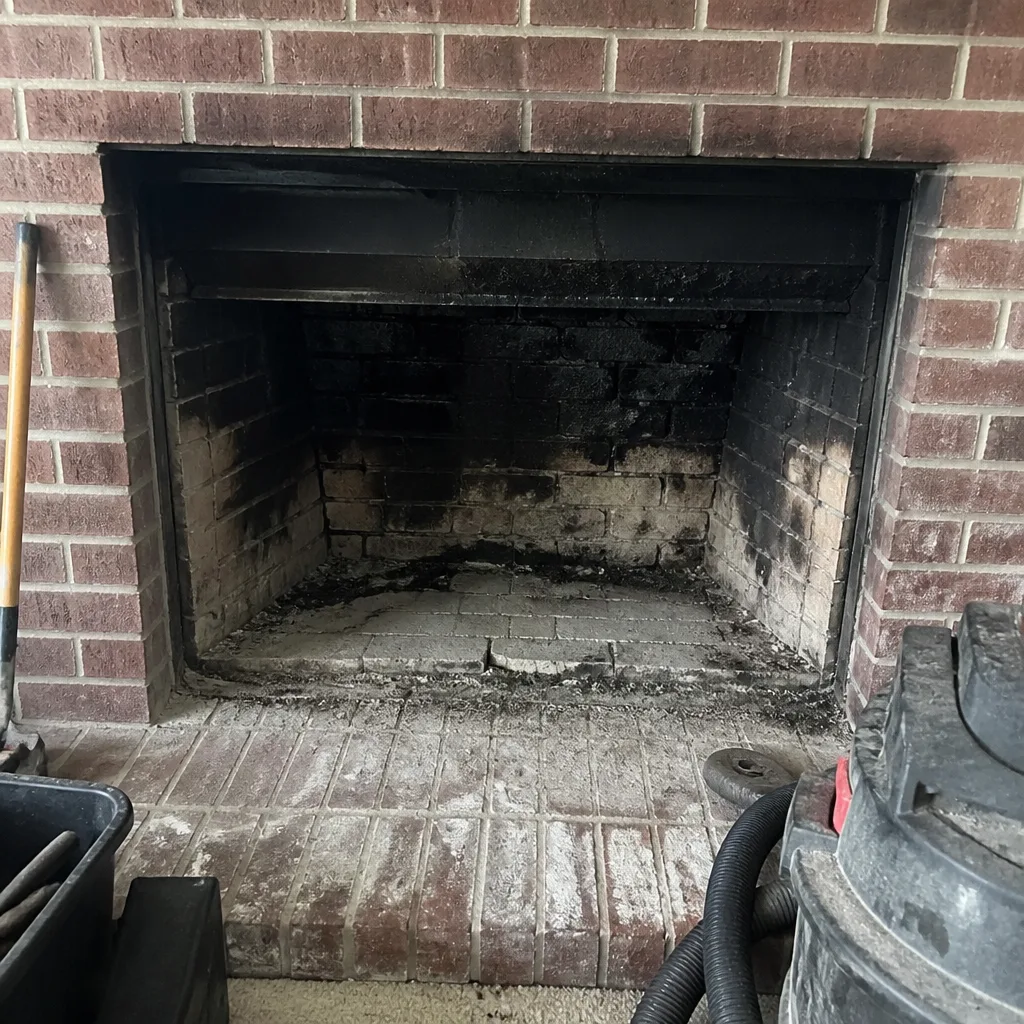 Before
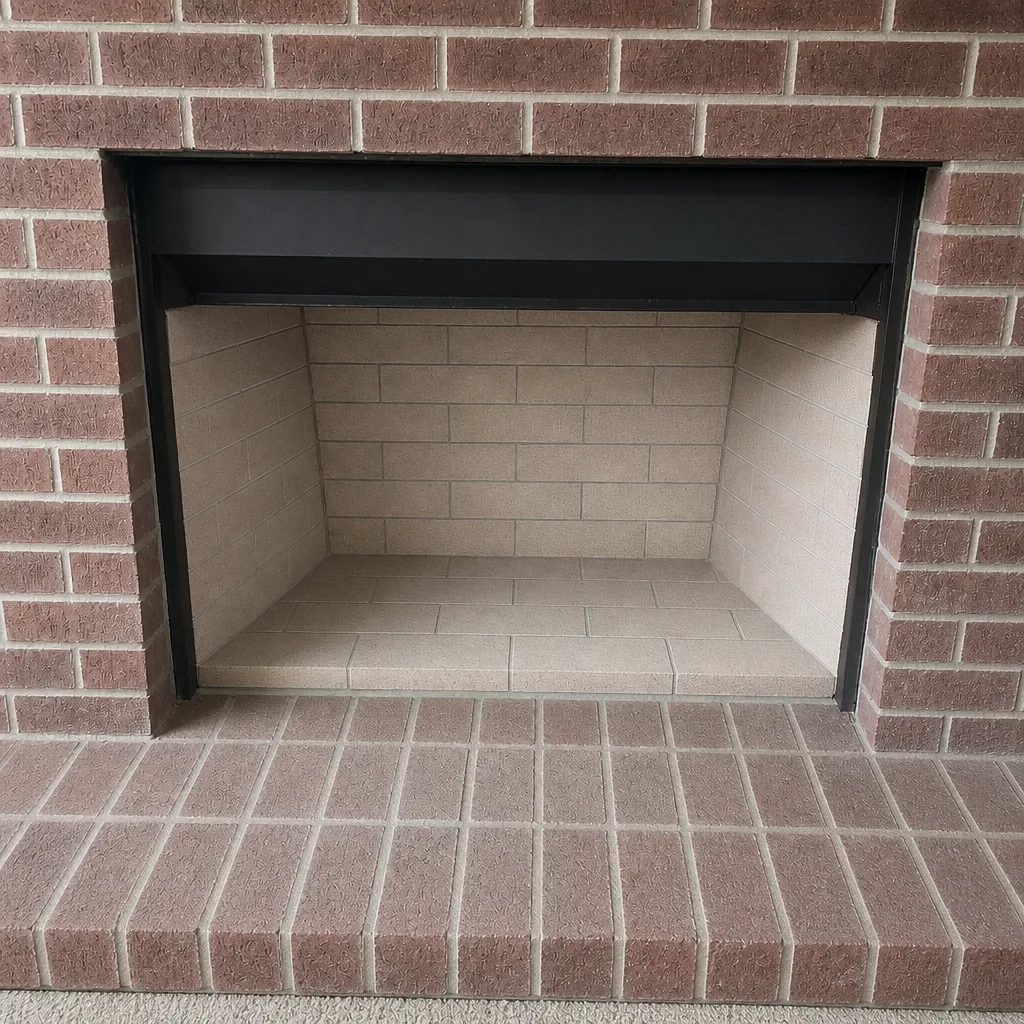 After
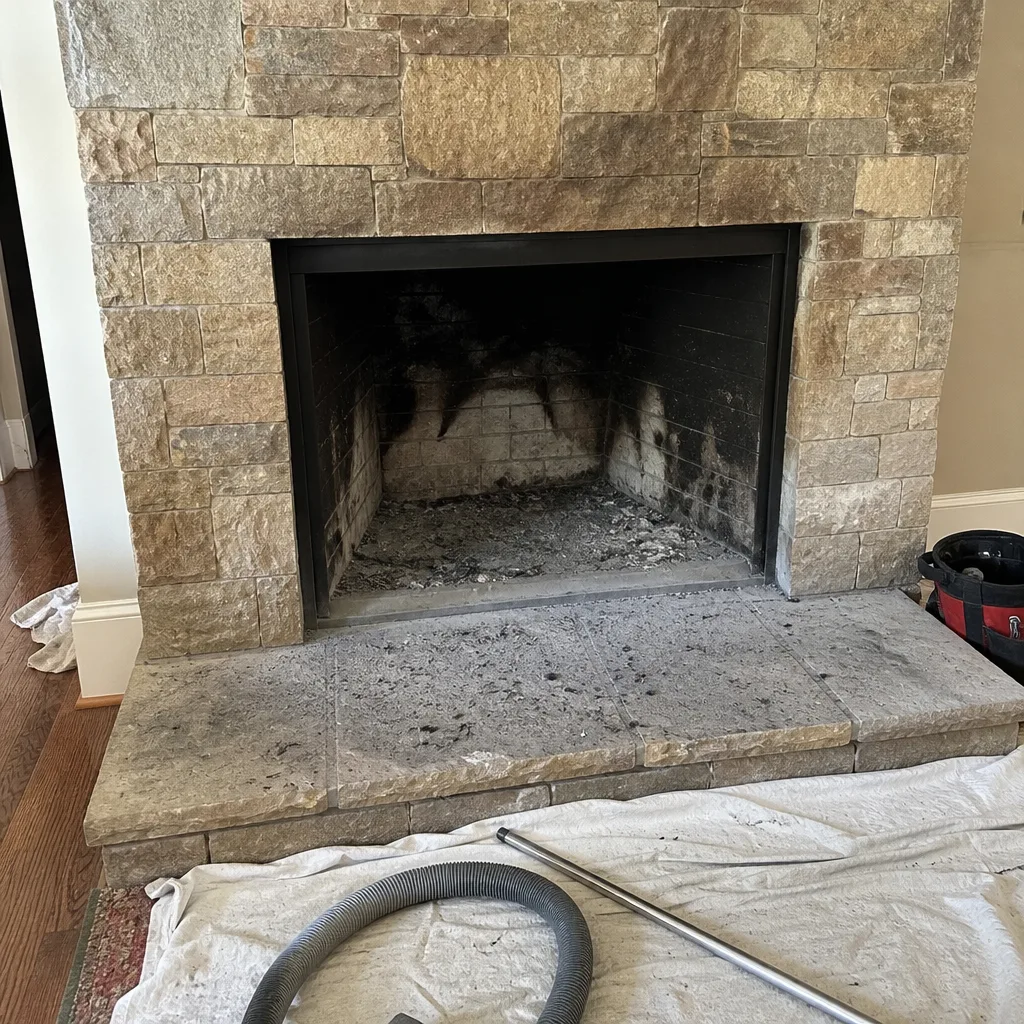 Before
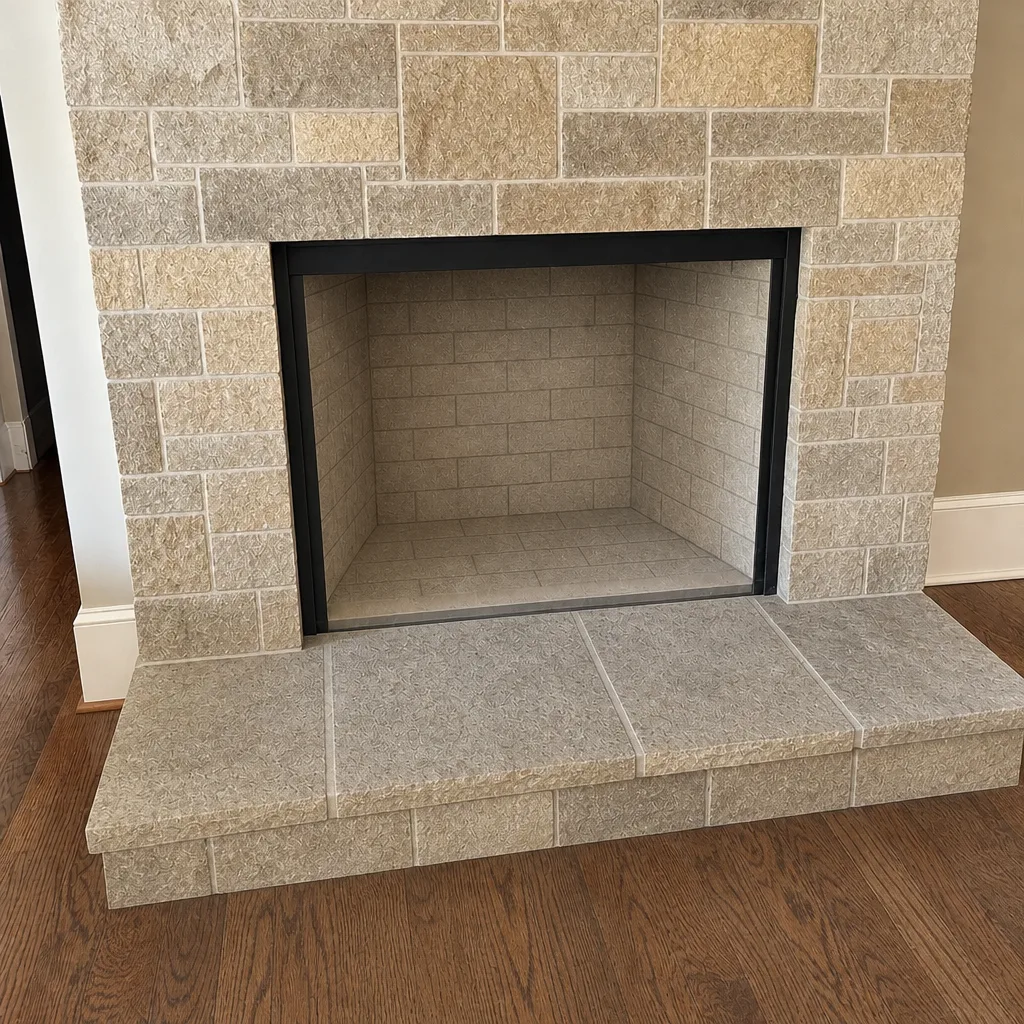 After
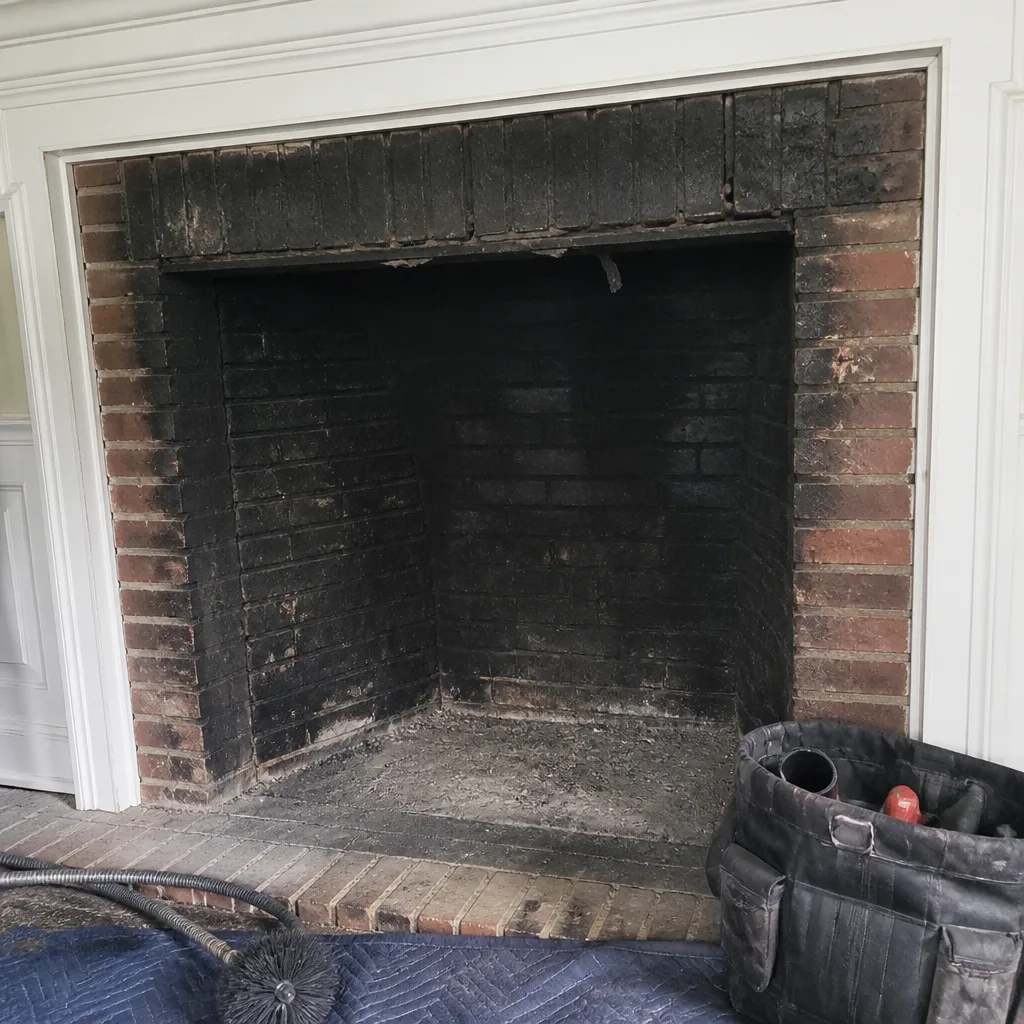 Before
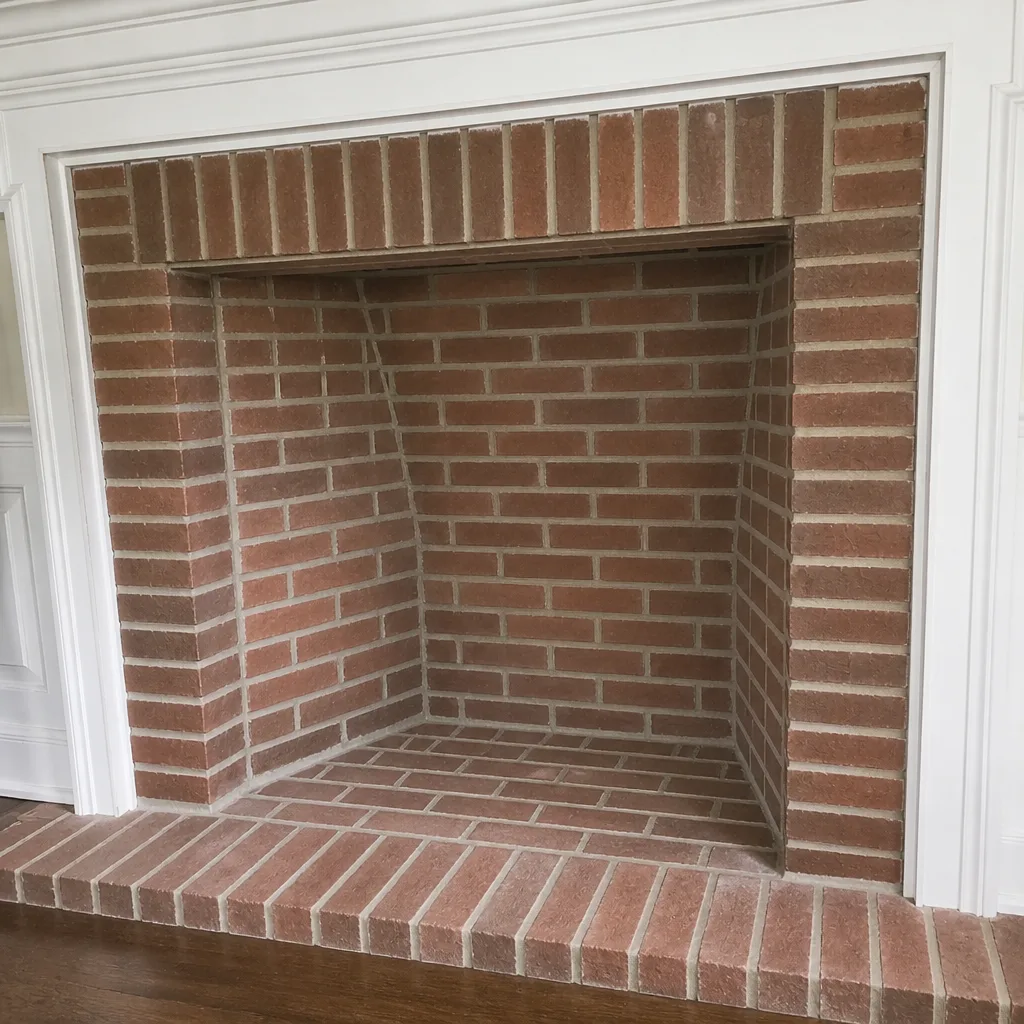 After
When to Call a Professional
Call a professional chimney service when any of these is true: the fireplace has started smoking into the room or drafts poorly, you’ve noticed a change in how the fire burns, a chimney fire has ever happened, a CO alarm has ever gone off, you’re buying or selling a Brier Creek home and need a documented inspection, the chimney hasn’t been inspected in the last year or two, or you’re seeing visible damage on the crown, cap, or masonry. Call us if you’d rather not do the brushing yourself; a professional sweep covers the full flue, containment, disposal, camera inspection, and photo report, and it catches the problems a brush kit can’t. For any of the diagnostic scenarios above, professional service isn’t an alternative to DIY, it’s the only correct path.
Chimney Sweep Brier Creek offers free estimates in Brier Creek. Call (866) 937-8959. We answer 24/7. Fast dispatch from 7am to 7pm, Sunday through Friday. The work is priced per job by a written estimate, so the number you agree to before we start is the number you pay. Our technicians have up to 10 years of experience, and they carry the camera and draft test equipment to tell you what a brush kit can’t.
Frequently Asked Questions
You can sweep a straight, accessible flue yourself as an interim step between professional visits, and it will remove loose soot. You can’t perform the inspection that determines whether the flue is safe to burn. The safest pattern for a Brier Creek homeowner is an annual professional sweep and inspection, with interim brush-outs if you choose to do them. Call (866) 937-8959 for a free estimate.
A chimney sweep in Brier Creek is priced per job, with the flat price agreed before booking and a written estimate that sets the final number. Call (866) 937-8959 for an exact quote for your chimney, and we’ll tell you what the sweep covers before we schedule anything.
A camera inspection is the only way to see hairline cracks in the liner, offset joints, and damage behind the smoke chamber. A sweep without an inspection leaves you with a clean flue and no information about whether it’s safe. Our sweep includes a camera inspection and a photo report, so you see exactly what we see.
Creosote builds on the flue walls and becomes more combustible the longer it sits, and small cracks in the liner or crown widen with each freeze-thaw cycle. Skipping seasons is how a manageable hairline crack becomes structural masonry damage. Call (866) 937-8959 before the first fire of the season, not after a problem shows up.
Safe homeowner brushing within reasonable limits is generally fine, but a professional maintenance record matters if you ever file a claim or sell your home. Insurance adjusters and buyers both ask when the chimney was last professionally inspected. A documented inspection closes a question a homeowner’s own brush-out can’t. Call (866) 937-8959 to get the record in place.
Not always. If the crack is in the liner surface and the flue is otherwise sound, HeatShield ceramic resurfacing is often a real, cost-conscious alternative to full relining. If the flue needs a new liner, we install DuraFlex flexible liner systems, specified by name in the trade for older and offset flues. We walk you through the options with camera evidence you can see. Call (866) 937-8959 for a free estimate.
The Bottom Line
DIY chimney brushing has a real, limited role: it’s fine as an interim cleaning between professional visits when the flue is straight and accessible. The decision that actually matters is whether the chimney has been inspected, and that’s the part a homeowner can’t do with a brush kit. Camera inspection, smoke pencil draft testing, CO measurement, and mortar joint probing are what justify the cleaning, and they need equipment and training. If performance has changed, DIY is off the table. Brier Creek’s freeze-thaw winters and warm, humid summers make crown and cap maintenance a big part of chimney health, and a chimney cap & crown inspection should be part of every year’s check. If you’re repairing a fireplace rather than just sweeping it, our fireplace repair service covers everything from the firebox to the crown. Call (866) 937-8959. We answer 24/7. Fast dispatch from 7am to 7pm, Sunday through Friday. Free estimates in Brier Creek, with the flat price set by a written estimate before we start.
Chimney Sweep Brier Creek offers the full scope under one roof: sweep, inspection, repair, cap and crown, and fireplace repair. We work with professional-grade brands including DuraFlex, HeatShield, Gelco, Olympia Chimney, Famco, and Copperfield, and we specify the right product for the job. From the firebox to the crown, it’s one call.
Written by the team at Chimney Sweep Brier Creek.