
Last updated November 24, 2026
 Sweep & inspection
 Caps & crowns
 Flue relining
 Masonry repair
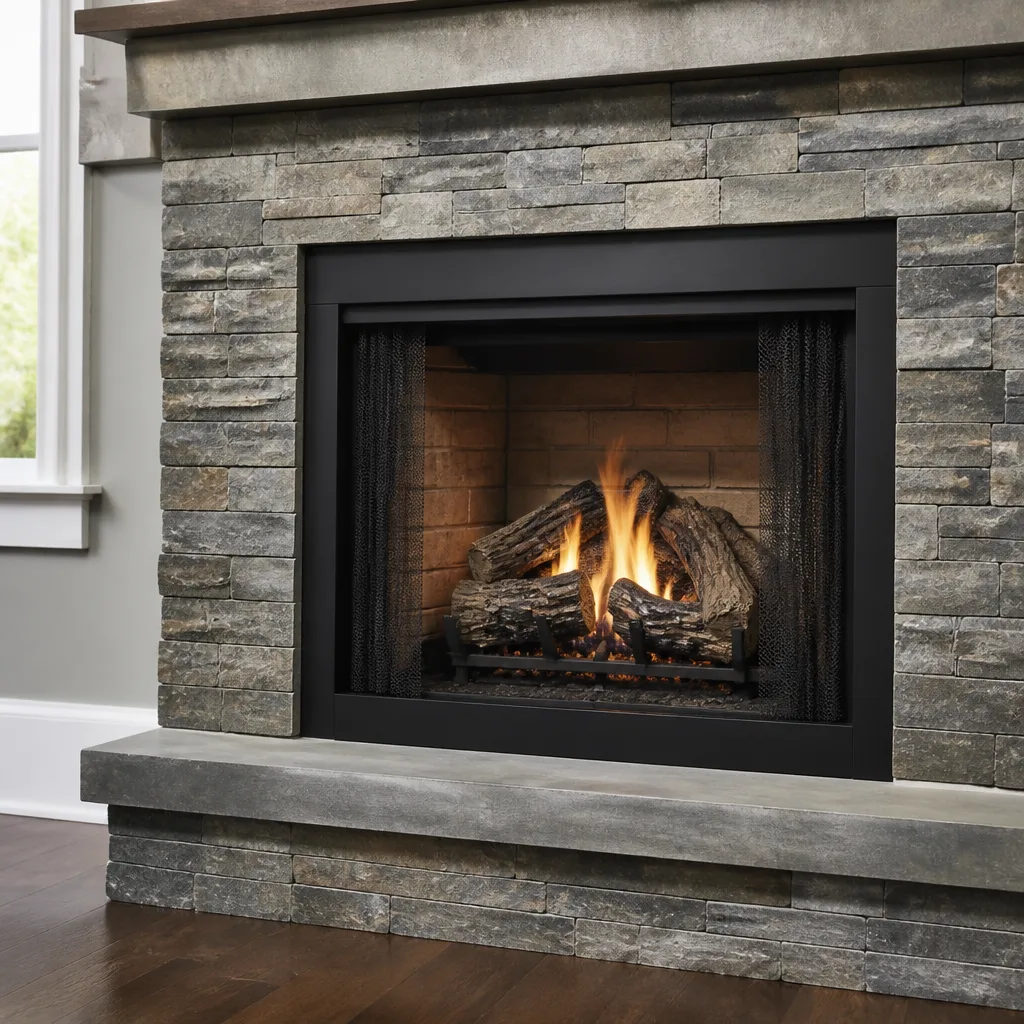 Gas fireplace service
Level 1 sweep and inspection to the NFPA 211 annual standard - flue, crown, cap, and flashing checked and photographed
Chimney sweep logs do not sweep chimneys. They loosen some creosote - which then falls where a brush and vacuum still have to collect it.
Seasonal Chimney Cleaning Care for Brier Creek: Year-Round Homeowner’s Guide
Most homeowners in Brier Creek schedule their chimney cleaning in October, right before the first fire. That’s the wrong month. Fall is the busiest stretch of the chimney calendar, and by then a sweep may be booked weeks out while any structural problem found during cleaning sits unresolved going into the burning season. Late summer is the smart window, and spring is the second half of a routine most people never build. This guide walks through what a Brier Creek chimney actually goes through across a full year, from summer humidity on the damper to spring pollen in the cap screen, so you can schedule the right work at the right time instead of reacting in November.
Quick Answer
The best time of year to schedule chimney cleaning in Brier Creek is late summer, ideally August or September, so the flue is clear and any repair found during the sweep can be finished before the first fire of the season. Spring is the second key window for checking caps, screens and moisture intrusion after pollen season. A single annual sweep and inspection handles most homes, with a quick visual firebox check every December before holiday use.
Styles & brands we work with
- Sweep & inspection
- Caps & crowns
- Flue relining
- Masonry repair
- Gas fireplace service
Table of Contents
- Why Late Summer Beats Fall in Brier Creek
- What Summer Humidity Does to Dampers and Hardware
- Spring Priorities: Pollen, Cap Screens and Winter Moisture
- How Mild Winters Change the Creosote You Produce
- The December Firebox Check
- A Swept Flue Isn’t the Same as an Inspected One
- Liner and Cap Work: Repair Before You Replace
- Your Brier Creek Chimney Calendar
Why Late Summer Beats Fall in Brier Creek
The single most useful scheduling decision a Brier Creek homeowner makes all year is to book the cleaning in August or September rather than waiting for the first cold snap. By October, most chimney sweeps in the area are booked three to five weeks out, and that backlog isn’t just an inconvenience. If the sweep turns up a cracked crown, a deteriorating liner or a cap that needs replacing, those are the jobs that then can’t be finished before the season starts.
Late summer gives you two things fall doesn’t. First, the calendar is open, so you get the appointment you actually want. Second, there’s time between the inspection and the first fire to complete any repair the sweep reveals. A flue that’s clean and documented in September is ready by November. A flue that’s inspected in November with a problem found is a race against the weather.
The other reason to move early is comfort. Chimney work happens at the firebox and the roofline. In Brier Creek’s August heat, an early-morning appointment is far easier on everyone inside the house than a December one where you’re also running the furnace. We schedule late-summer cleaning with the same flat, written estimate as any other time of year. There’s no premium attached to booking smart.
If you’ve never had the chimney professionally cleaned, start with a chimney sweep, which removes the creosote and soot, and pair it with an inspection so the visit does double duty. That’s the most efficient single appointment on the calendar.
How to book ahead without overpaying
- Call in July or early August and ask for an August or September slot.
- Confirm the estimate is written and per-job, not an hourly or “starting at” figure.
- Ask whether the sweep includes a camera inspection and a photo report you keep.
- Get the written estimate before the appointment so the price is set, not discovered.
- Hold the date even if you haven’t used the fireplace in months. The flue condition doesn’t depend on recent use.
What Summer Humidity Does to Dampers and Hardware
Brier Creek summers run hot and humid, and that humidity works on the metal parts of a fireplace all season long. The damper, the damper frame, the firebox doors and the hardware on a gas log set all sit in a masonry or metal cavity that holds moisture. Over a summer, that can mean a damper that sticks, a hinge that rusts at the pin, or a throat damper that no longer seals tight. None of those are dangerous on their own, but a damper that won’t close lets conditioned air escape up the flue all winter and lets cold, damp air back down.
Before the first fall fire, it’s worth checking a few things yourself. These are quick visual checks, not repairs.
- Open and close the damper by hand. It should move without force and seat flush when closed.
- Look for rust streaks or white mineral staining on the damper frame and the firebox walls.
- Check that the damper handle and any linkage move freely.
- If you have glass doors, confirm the gaskets and hinges aren’t seized.
- Look up the flue with a flashlight for visible soot flakes or debris at the smoke shelf.
If the damper sticks, don’t force it. A stuck damper can be a sign the frame has warped or the assembly has rusted through, and a technician can free it or replace it. Stubborn hardware is one of the most common things we find on a late-summer visit in Brier Creek, and it’s an easy fix when it’s caught early.
Spring Priorities: Pollen, Cap Screens and Winter Moisture
Spring in Brier Creek brings a heavy pollen load, and that pollen ends up exactly where you don’t want it: in the spark screen of your chimney cap. The screen is a fine mesh designed to keep rain, animals and embers in or out. Pollen, seed fluff and the grit that comes with it coat that mesh, and a clogged screen restricts draft and traps moisture. Add a winter’s worth of wind-driven rain and the cap becomes the first place a chimney problem starts.
Spring is also the season to look for moisture intrusion from the winter. Water is the most destructive force a masonry chimney faces, and it gets in through the top and the sides. A spring walkaround catches the early signs.
- Cap screening: check that the mesh is clear, intact and not bent or detached.
- Crown: look for cracks, crumbles or a crown that no longer slopes away from the flue.
- Flashing: check where the chimney meets the roof for lifted or rusted flashing.
- Masonry joints: look for missing or soft mortar and white staining that signals moisture.
- Interior: check the ceiling and attic near the chimney for staining after heavy spring rain.
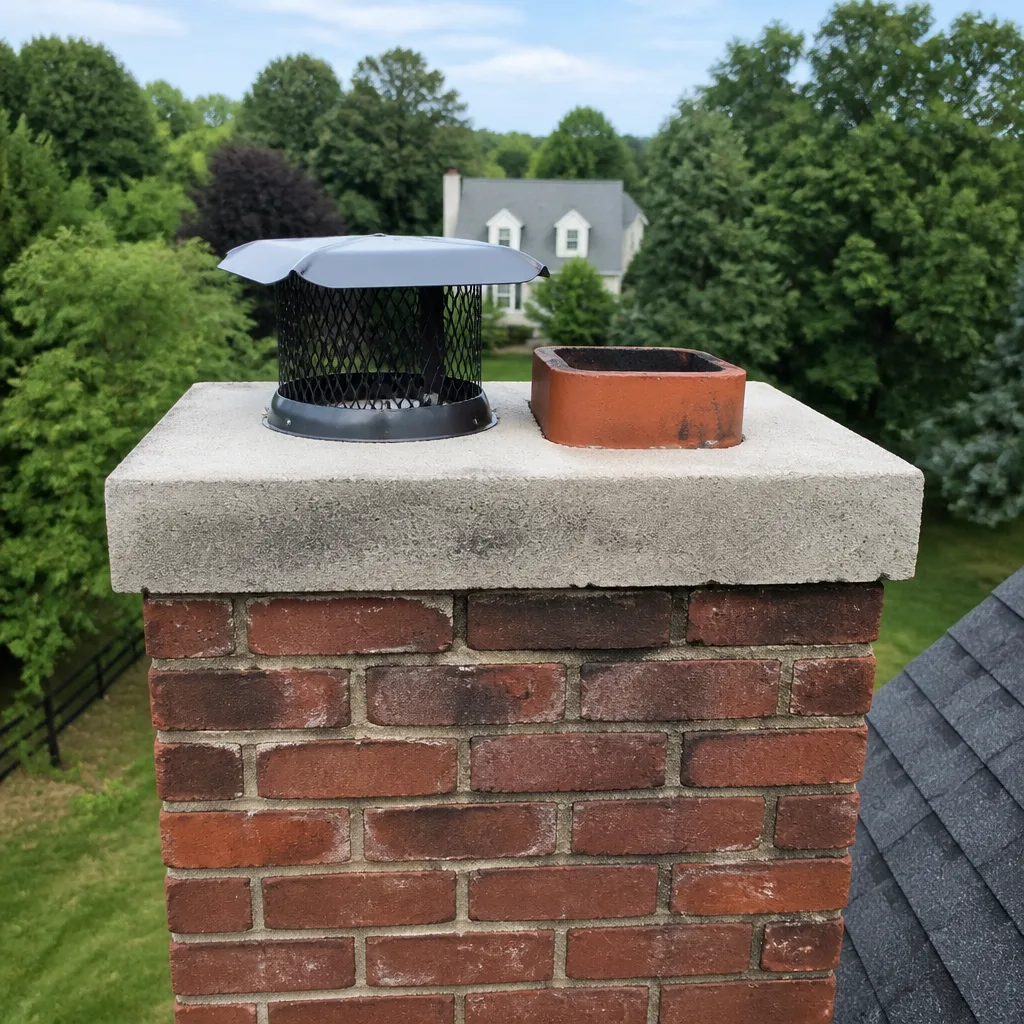
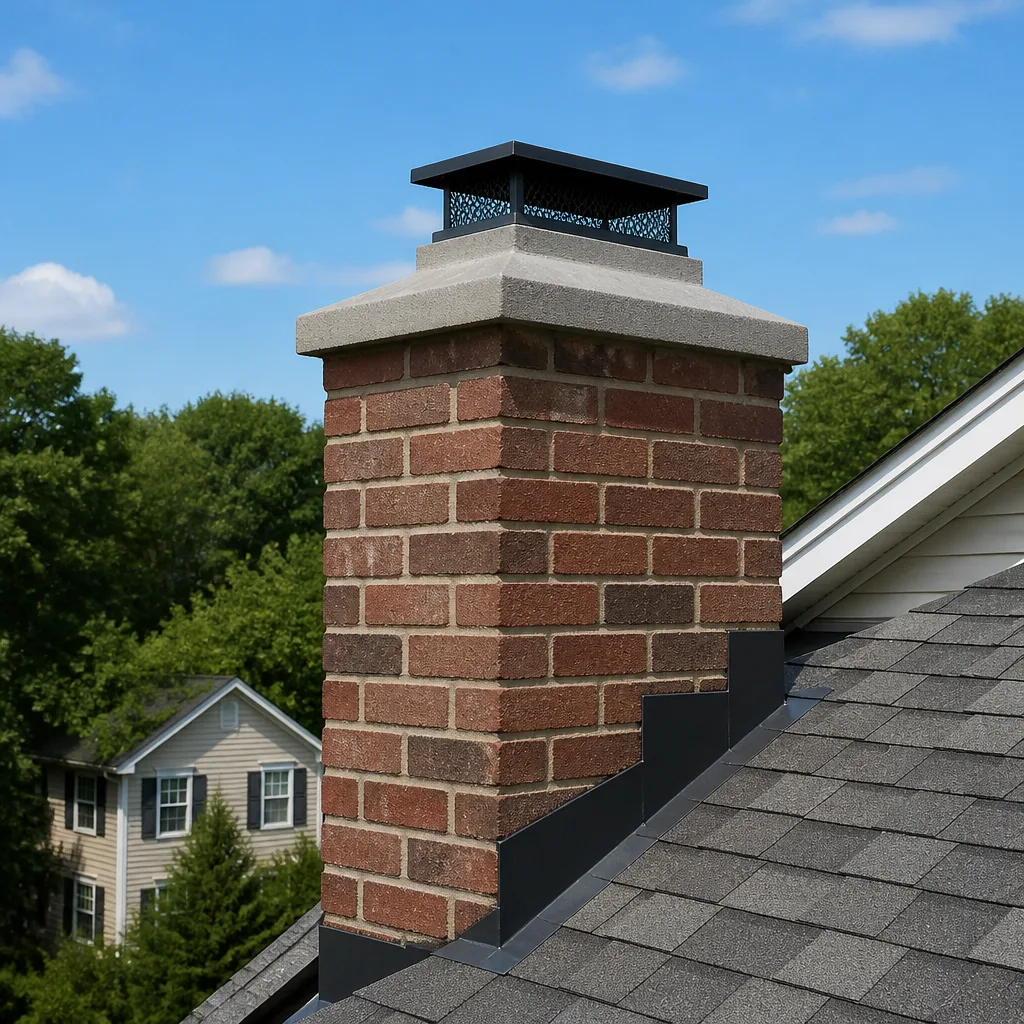
Cap and crown work is its own category of chimney care, not an upsell at the end of a sweep. A proper cap keeps rain and animals out; a sound crown moves water off the top of the chimney instead of into the masonry. We install caps and crowns using products built for the job, and we treat this as a first-class service, which is why spring is the right time to have it checked. Learn more about this work on our chimney cap & crown page.
How Mild Winters Change the Creosote You Produce
Here’s a pattern that trips up homeowners used to northern chimney advice. Brier Creek winters are mild, and mild winters mean the fire gets built differently. People light small fires on cool evenings, let them burn low, and shut the damper down early to stretch the wood. That’s exactly the burn that produces creosote fastest. A cool, smoldering fire doesn’t combust completely, and incomplete combustion is what leaves creosote on the flue walls.
Creosote builds in stages, and the stage matters more than the amount. First-stage creosote is light soot and flaky deposit that brushes off easily. Second-stage creosote is darker, harder and more tar-like, and it coats the flue more aggressively. Third-stage is glazed and hardened, and it’s the hardest to remove. A “shoulder season” habit of small, damped-down fires can push a flue toward stage two faster than a homeowner expects, because the fire never gets hot enough to burn clean.
The practical takeaway for Brier Creek is this: don’t assume a mild climate means slower creosote buildup. It can mean the opposite if your fires are small and cool. Burn seasoned wood, give the fire enough air to burn hot, and don’t damper it down too early. And have the flue swept on schedule, because creosote you can’t see is the creosote that matters. When a flue inspection shows a liner problem, we repair liners without always replacing them, using HeatShield, a ceramic resurfacing system, as an alternative to full relining.
The December Firebox Check
One task deserves a spot on the calendar every December regardless of when you cleaned: a visual firebox check before holiday-season heavy use. December is the month most Brier Creek fireplaces go from occasional to daily, and the firebox is where you’ll spot trouble early. This is a check, not a cleaning.
- Look at the firebox walls for new cracks or gaps in the mortar joints.
- Check the firebrick and the grate for cracks or a brick that’s come loose.
- Confirm the damper opens fully and closes when the fire is out.
- Look at the smoke chamber and the smoke shelf above the damper for heavy soot or debris.
- Make sure the cap is still on and the screen is clear from the ground or a window.
If anything looks off, a fireplace repair visit handles cracks, damper issues and firebox problems before the heaviest use of the year. Our fireplace repair service covers the firebox and the components around it. If the check turns up nothing, you’ve spent ten minutes and gained real confidence going into the holidays.
A Swept Flue Isn’t the Same as an Inspected One
Homeowners often use “cleaning” and “inspection” as if they were the same appointment. They aren’t. A sweep removes creosote and soot from the flue. An inspection evaluates the condition of the flue, the liner, the cap, the crown and the firebox, and tells you what’s sound and what isn’t. You can have a swept flue that’s clean and still have a liner that needs attention, which is why the two belong together.
- Sweep: removes the deposit. It makes the flue safer to use and keeps creosote from accumulating to a dangerous level.
- Inspection: documents condition. It’s how you learn whether the liner, cap and crown are doing their job.
- Camera inspection and photo report: lets you see what the technician sees, rather than taking it on faith.
That last point is the heart of honest chimney care. A homeowner’s real hesitation is being told they need liner or masonry work they can’t verify. We don’t recommend work without camera evidence you can see for yourself, and we’ll tell you plainly when something can safely wait. If you’re buying or selling a home in Brier Creek, a full inspection also produces the documentation real estate transactions and insurers ask for. That’s a different scope from a routine sweep, and worth requesting specifically.
For a straight answer on what your flue needs, start with the team at Chimney Sweep Brier Creek, or call (866) 937-8959. We answer 24/7. Fast dispatch from 7am to 7pm, Sunday through Friday.
Liner and Cap Work: Repair Before You Replace
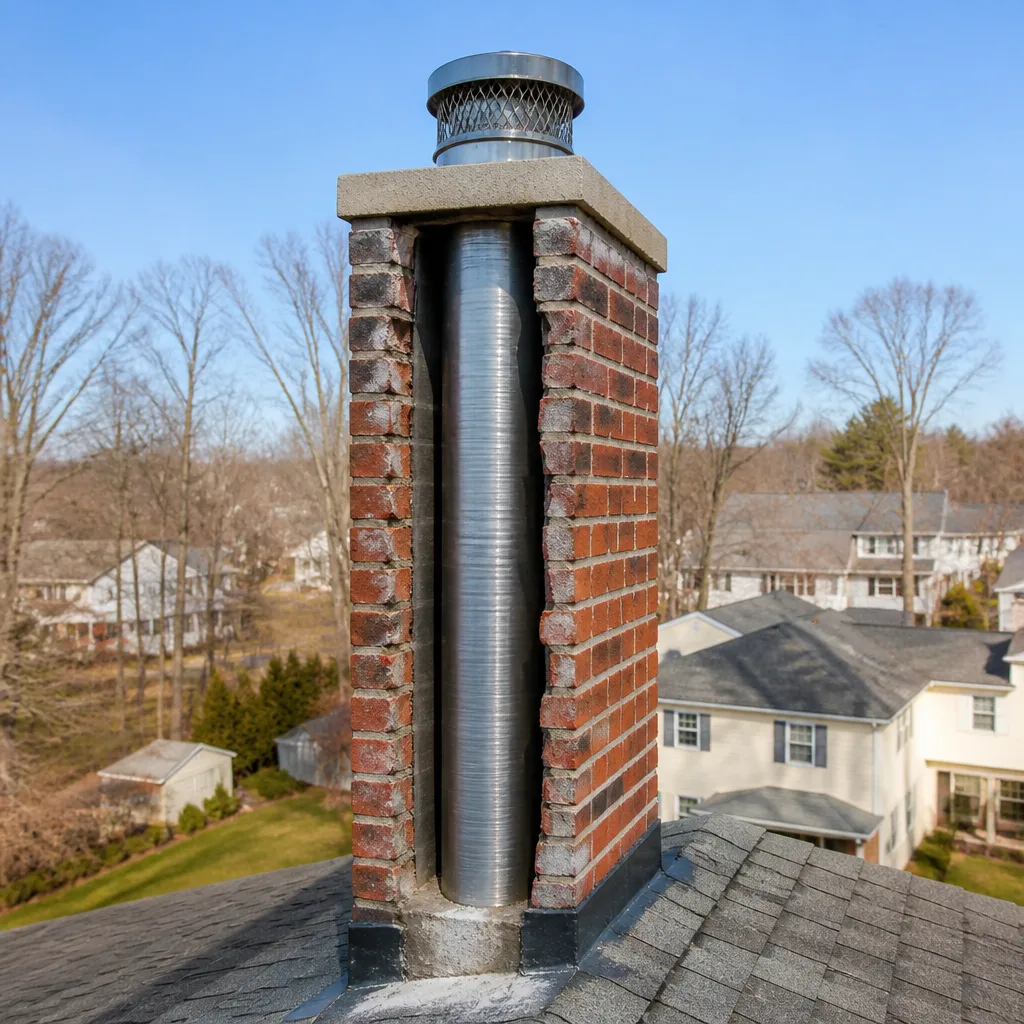
Not every liner problem needs a full reline. That’s the most useful thing a homeowner can learn about chimney repair, and it’s a distinction many generalist handymen miss. When a clay tile liner is cracked or the flue has gaps, one option is a full new liner. Another is ceramic resurfacing with HeatShield, which restores the liner from the inside and is backed by the product’s manufacturer warranty. It’s not right for every flue, but where it applies it’s a real alternative to the bigger job.
When a flue does need a new liner, material and fit matter. We install DuraFlex flexible liner systems, which are specified by name in the trade for retrofitting older or offset flues. The flexibility matters because flues aren’t always straight, and an offset flue needs a liner that can follow the path without compromising the seal. We specify the right product for the job rather than forcing one material into every chimney.
Caps and crowns use products built for chimney moisture protection, including Famco, Copperfield and Olympia Chimney. A cap that fits and a crown that sheds water protect everything beneath them, and getting those right is the cheapest long-term insurance a chimney has. From the firebox to the crown, one company can handle the whole system, so you’re not left coordinating between a sweep and a mason.
Your Brier Creek Chimney Calendar
Here’s the year in one view. This is the schedule we’d suggest for a typical wood-burning fireplace in Brier Creek, adjusted for how much you actually burn.
- July to August: call and book the annual sweep and inspection for late summer, while the calendar is open.
- August to September: complete the sweep, inspection and any repair the inspection reveals.
- Early fall: test the damper and confirm the cap and screen are clear before the first fire.
- December: do the visual firebox check before holiday-season heavy use.
- March to April: spring walkaround for cap screening, crown cracks, flashing and moisture stains.
- Ongoing: burn seasoned wood and avoid long, smoldering, damped-down fires.
A gas fireplace follows a shorter version of the same calendar. It won’t build creosote the way wood does, but the venting, the cap and the firebox still need an annual inspection, and the damper still needs to work. If your Brier Creek home has a gas log set, the annual visit is mostly about venting and component condition.
Two annual appointments, one in late summer and one visual check in December, cover most homes. If you burn heavily, add the spring walkaround as a habit. Homes near the busier parts of Brier Creek with tall trees around the roofline tend to collect more debris in the cap screen, so those benefit most from the spring check.
Common Mistakes to Avoid
- Waiting until October to book. By fall, sweeps in Brier Creek are booked three to five weeks out, and repairs can’t finish before the first fire. Book in August instead.
- Treating a sweep as an inspection. A swept flue isn’t an inspected one. Ask for the camera inspection and the photo report so you know the liner’s real condition.
- Ignoring the cap screen until it’s packed with pollen. Spring pollen and seed fluff clog the mesh and restrict draft. Clear it in spring, not when smoke backs up.
- Burning small, smoldering fires all winter. Mild Brier Creek winters tempt low, dampered-down burns, which produce faster stage-two creosote. Let the fire burn hot.
- Skipping the December firebox check. Holiday-season heavy use is when firebox cracks show up. A ten-minute visual check catches them early.
- Assuming a mild climate means less maintenance. Brier Creek’s humidity and pollen create their own maintenance rhythm. Following northern seasonal advice leaves the wrong tasks undone.
- Approving liner work you can’t verify. Don’t accept a repair recommendation without camera evidence. A sound company shows you what it sees and tells you when work can wait.
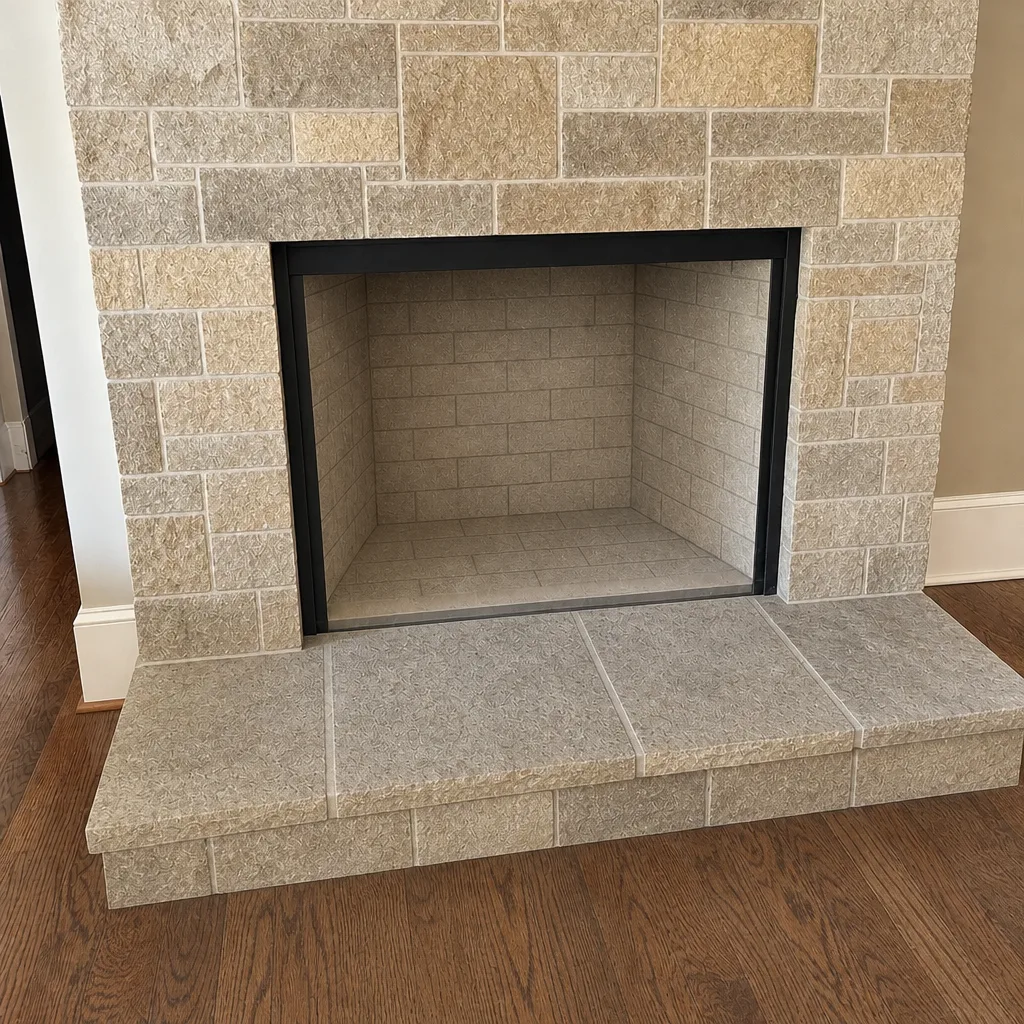
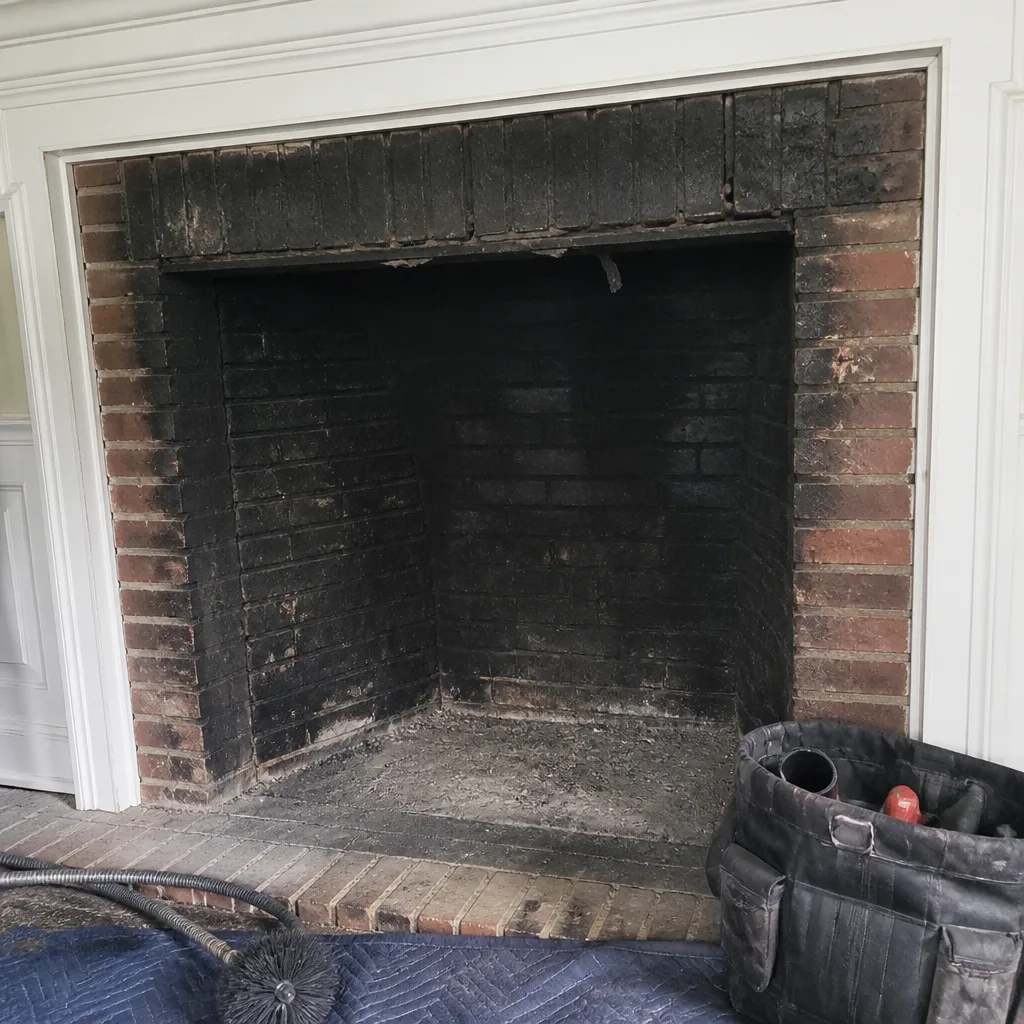
See the difference
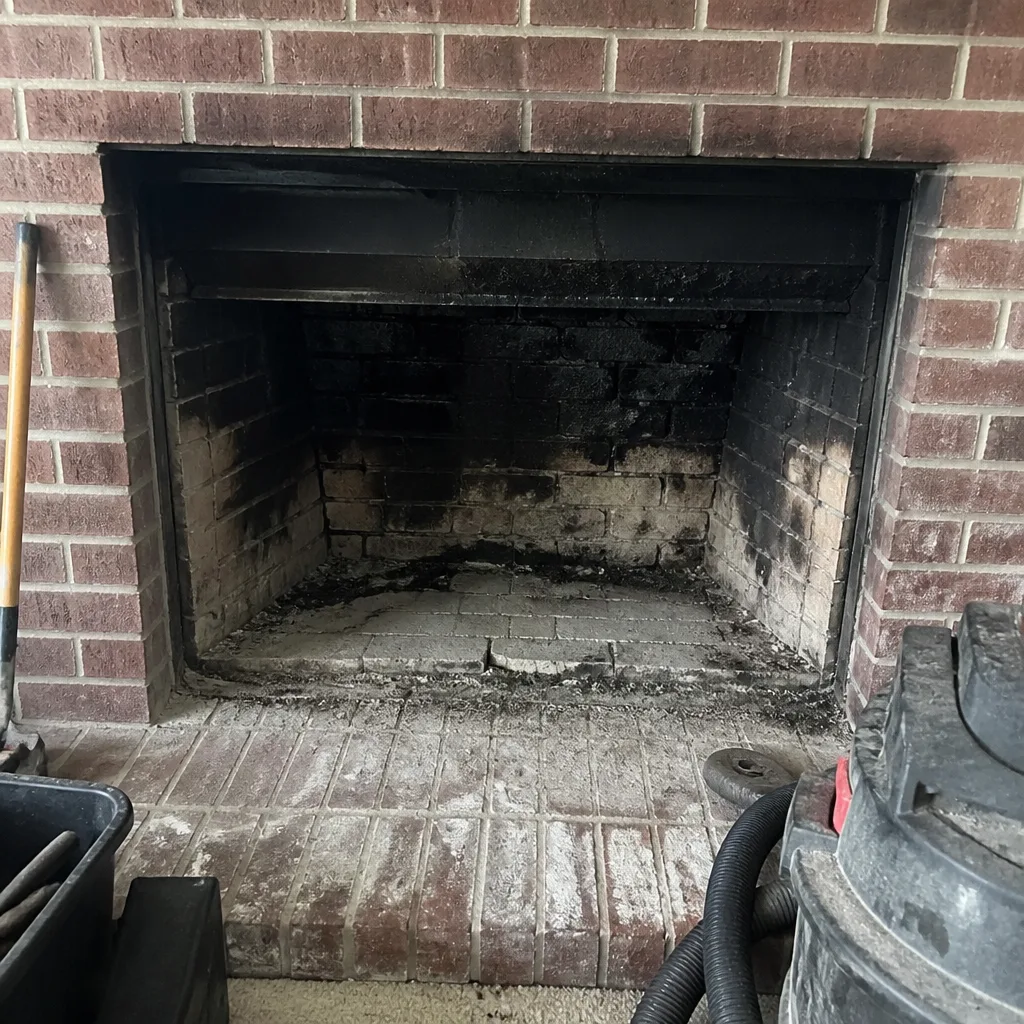 Before
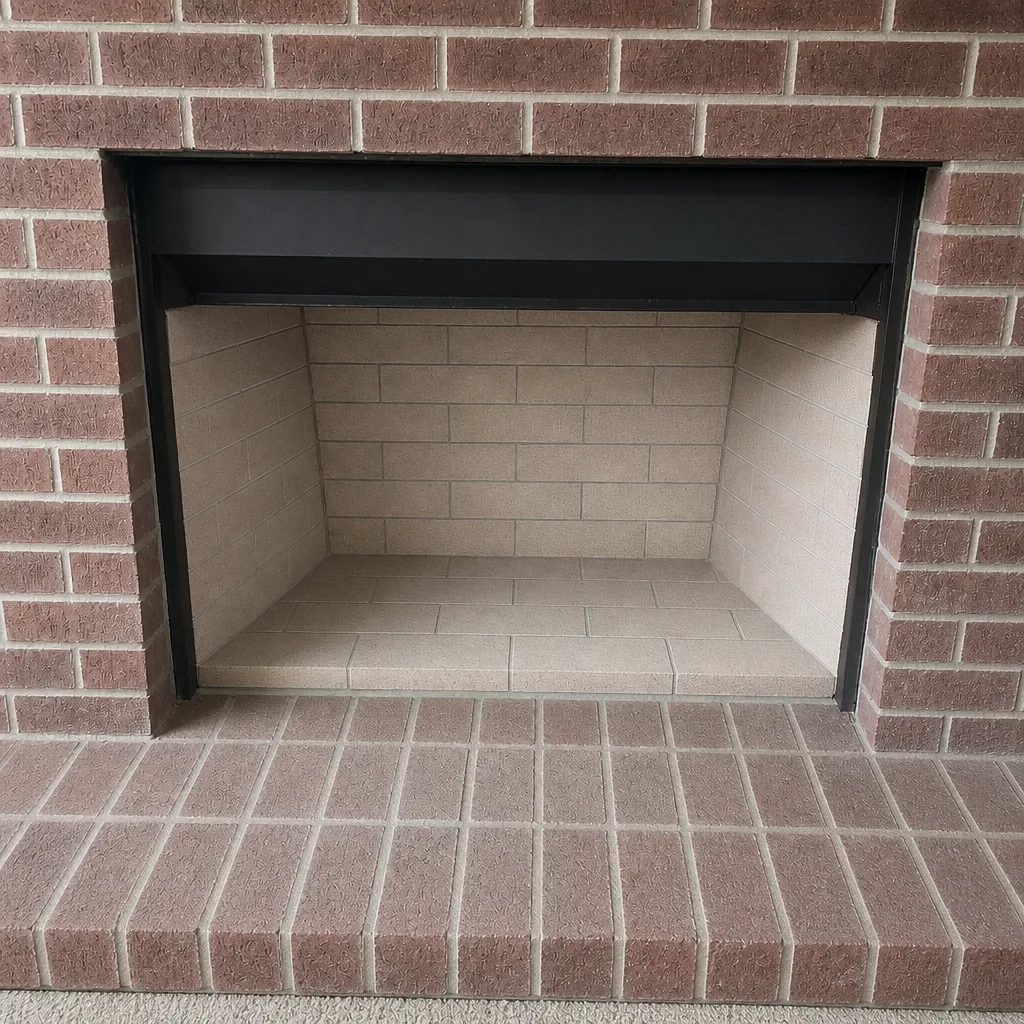 After
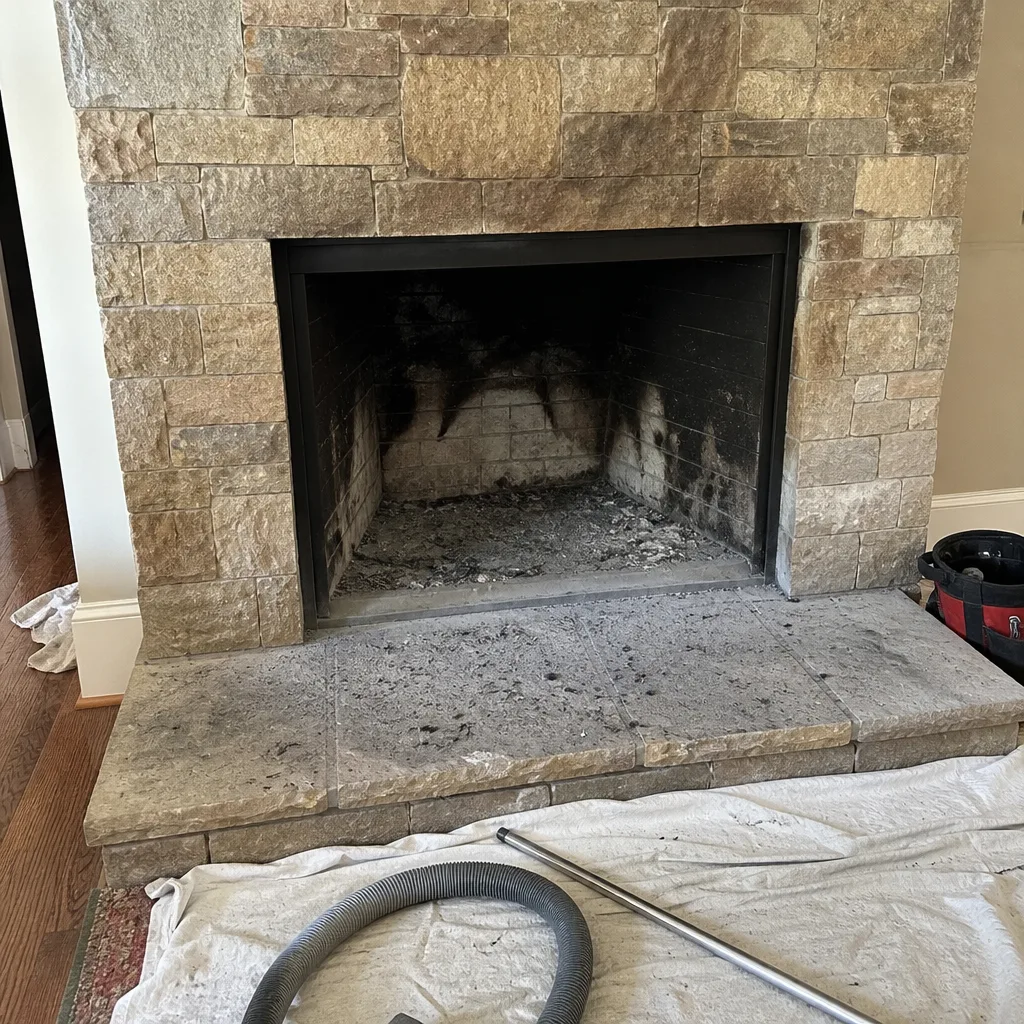 Before
 After
 Before
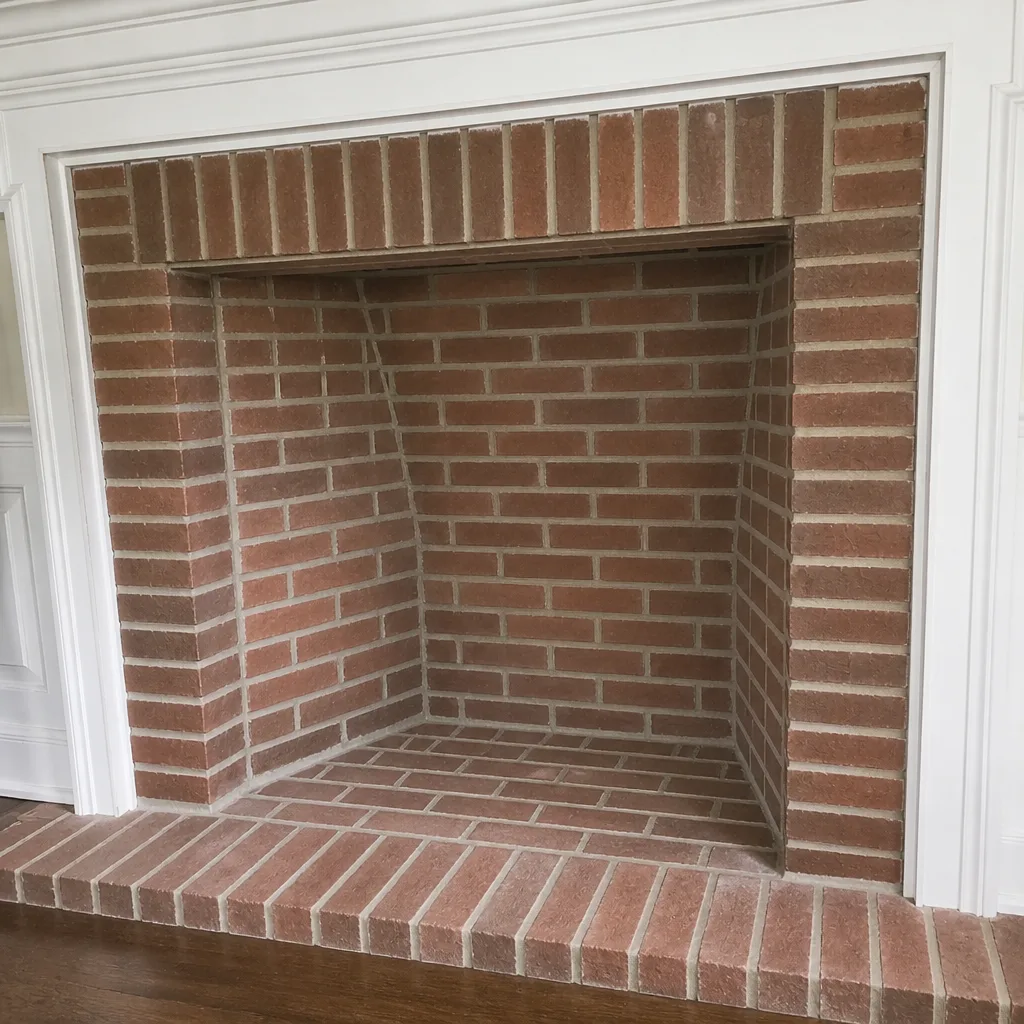 After
When to Call a Professional
Call a professional when you see smoke backing into the room, smell a strong creosote odor, notice staining on the ceiling or attic near the chimney, or find cracks in the firebox or crown. Call if the damper sticks or won’t seal, if the cap is missing or damaged, or if it’s simply been a year since the last sweep. Call before buying or selling a home in Brier Creek if you need documentation for a transaction. And call if a flue inspection has ever recommended liner or masonry work you couldn’t verify, because you deserve to see the evidence. Chimney Sweep Brier Creek offers free estimates in Brier Creek, call (866) 937-8959. Our technicians have up to 10 years of experience, the estimate is free and the price is set per job by the written estimate.
Frequently Asked Questions
Late summer, ideally August or September. Booking then avoids the fall backlog, when sweeps are commonly booked three to five weeks out, and leaves time to complete any repair the inspection finds before the first fire. Call (866) 937-8959 for an exact quote, estimates are free.
Once a year for most homes that burn wood regularly, paired with an annual inspection. Homes that burn heavily or burn small, smoldering fires may need attention sooner because creosote builds faster. Call (866) 937-8959 to book, we answer 24/7.
Not always. A cracked or deteriorated liner sometimes can be restored with HeatShield ceramic resurfacing instead of a full reline, and when a new liner is needed, a DuraFlex flexible system can be specified for older or offset flues. We don’t recommend liner work without camera evidence you can see. Call (866) 937-8959 for a free estimate.
No. Mild winters often mean small, damped-down fires that burn incompletely and produce creosote faster, and humid summers work on damper hardware. The maintenance rhythm here is different from northern markets, not lighter. Call (866) 937-8959 with questions.
Cap screening, the crown, flashing and masonry joints, plus any interior staining after heavy rain. Pollen clogs cap screens in Brier Creek and winter moisture finds its way into masonry, so spring is the right time to catch both early. Call (866) 937-8959 for an assessment.
Creosote accumulates in the flue, and a heavily creosoted flue raises the risk of a chimney fire. Skipped inspections also let small liner, crown and cap problems grow into bigger repairs. We answer 24/7 if you have a concern, call (866) 937-8959.
The Bottom Line
Brier Creek’s climate sets its own chimney schedule, and the northern seasonal advice doesn’t fit it. Book the annual sweep and inspection in August or September so the flue is clear and any repair finishes before the first fire. Do the visual firebox check every December before holiday use. Clear the cap screen and inspect for moisture every spring. Watch your burn habits in mild winters, because small, smoldering fires produce creosote faster than you’d expect. And when work is recommended, insist on camera evidence you can see. Two appointments and a few habits keep a Brier Creek chimney sound all year.
For a free estimate on chimney sweeping, inspection or repair in Brier Creek, call (866) 937-8959. We answer 24/7. Fast dispatch from 7am to 7pm, Sunday through Friday.
Written by the team at Chimney Sweep Brier Creek.