
Last updated November 24, 2026
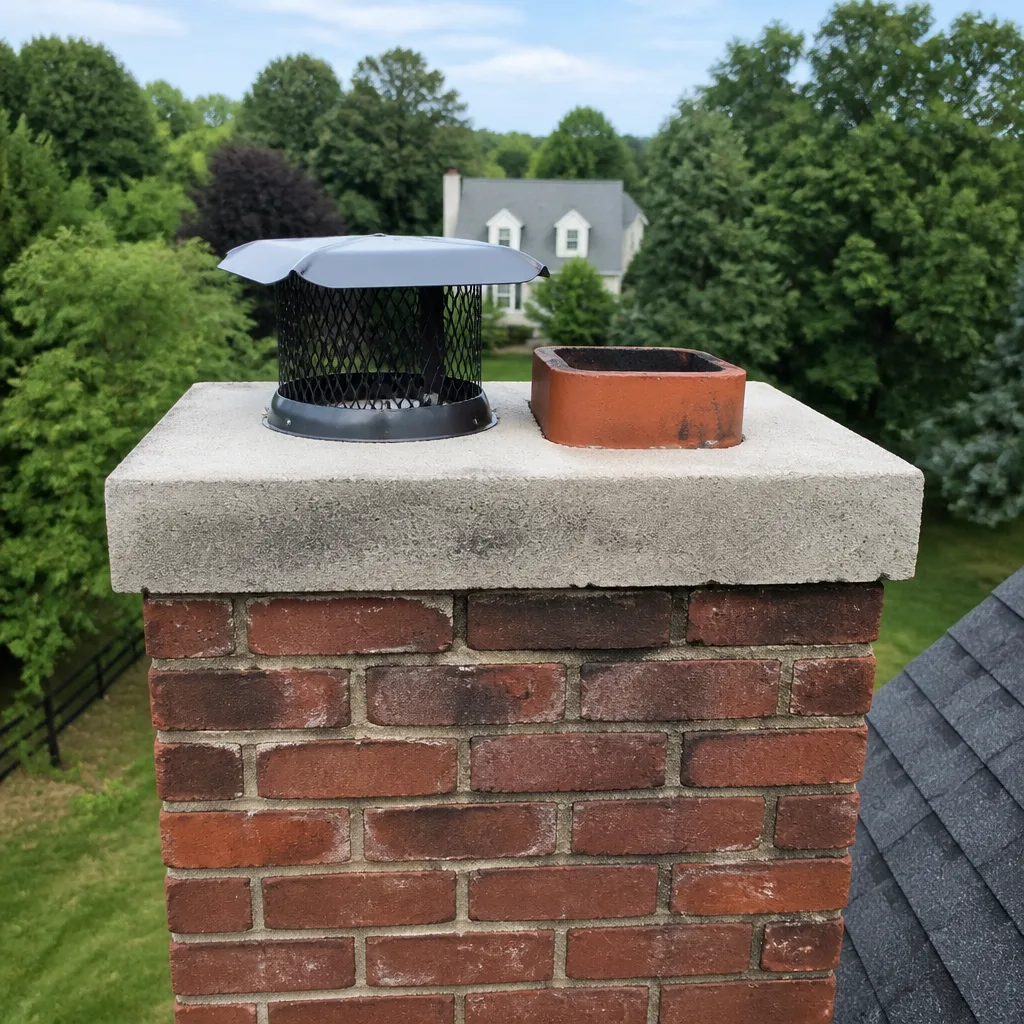 Sweep & inspection
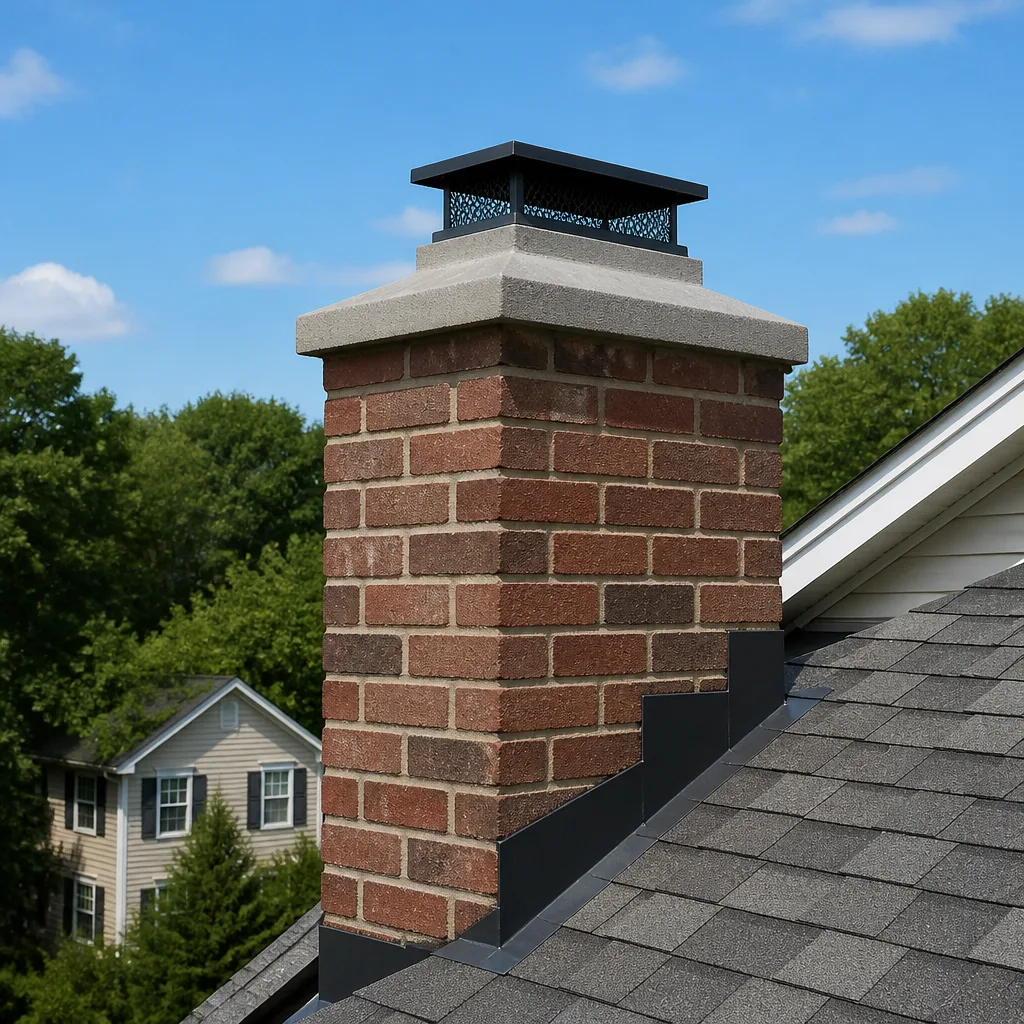 Caps & crowns
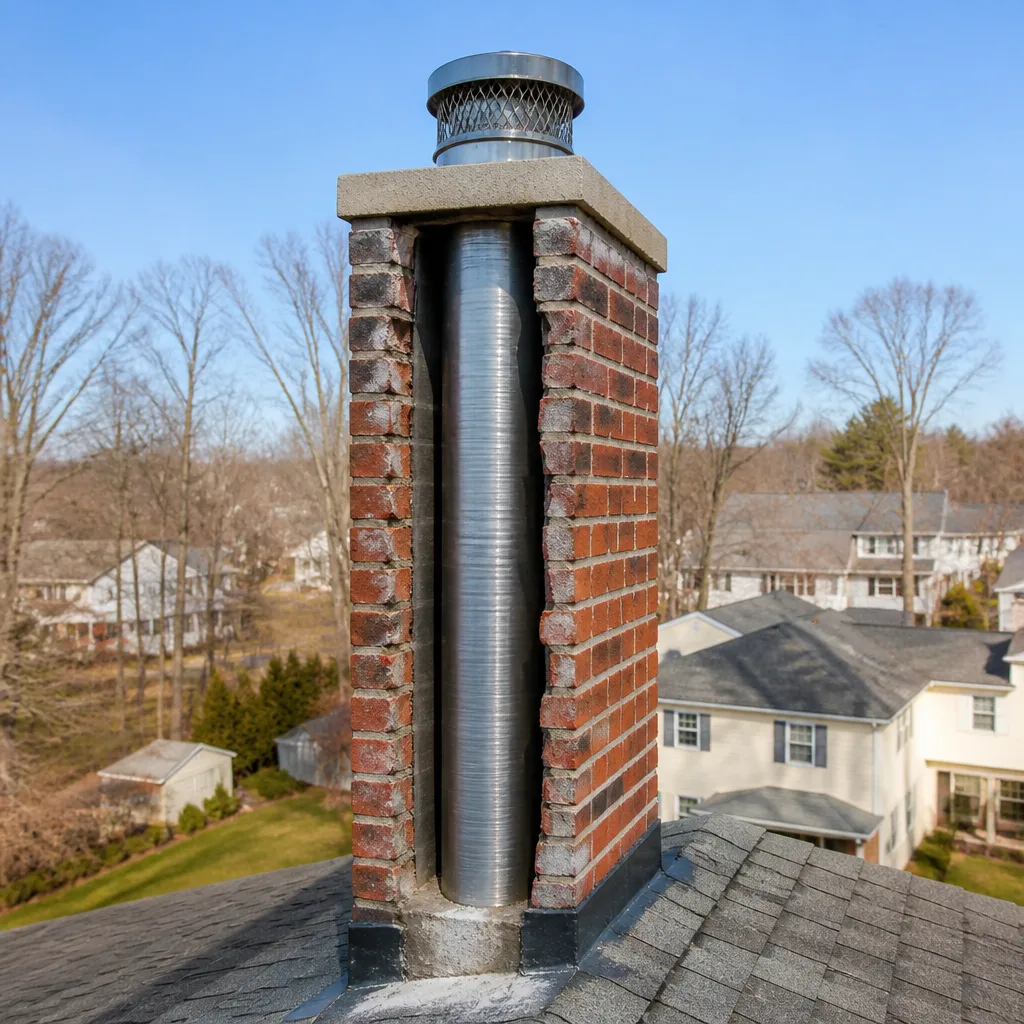 Flue relining
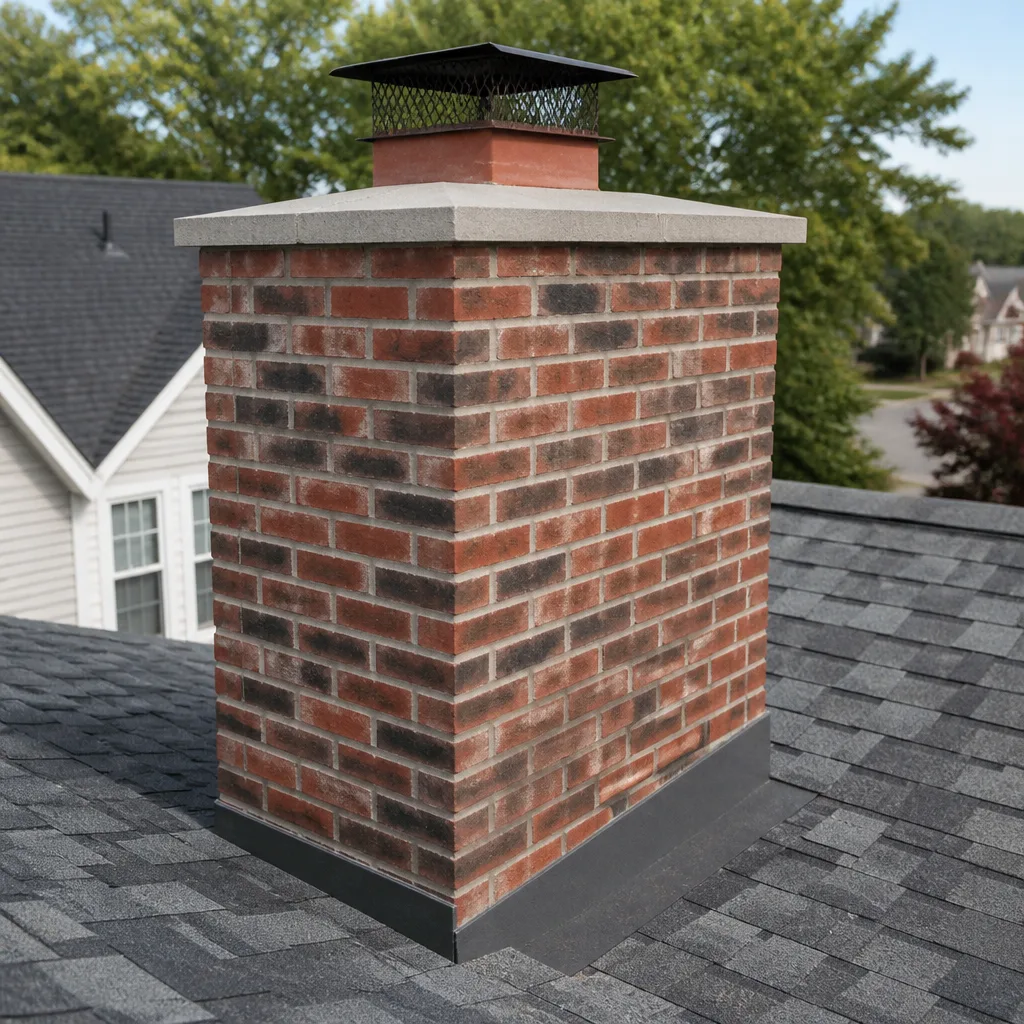 Masonry repair
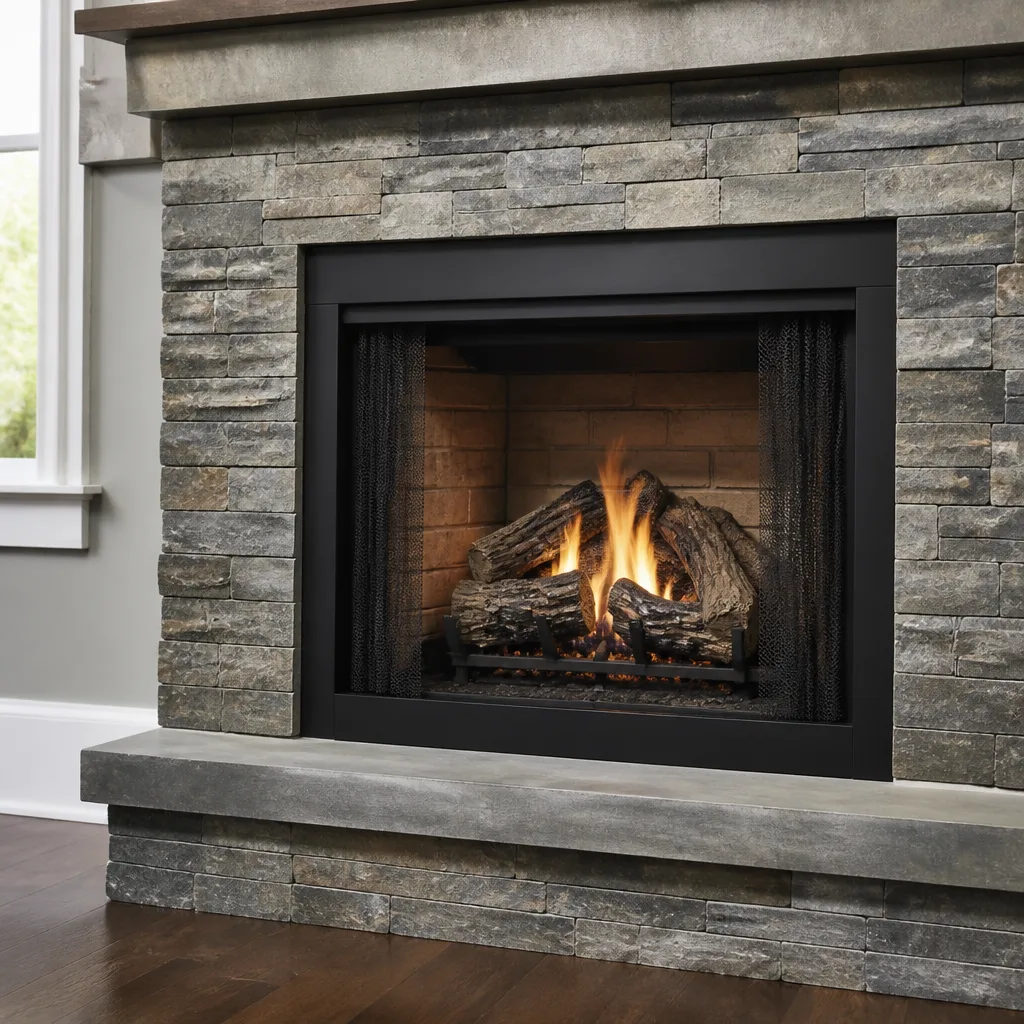 Gas fireplace service
Level 1 sweep and inspection to the NFPA 211 annual standard - flue, crown, cap, and flashing checked and photographed
Chimney sweep logs do not sweep chimneys. They loosen some creosote - which then falls where a brush and vacuum still have to collect it.
How to Hire a Chimney Cleaning Contractor in Brier Creek: A Step-by-Step Guide
North Carolina doesn’t issue a state license specifically for chimney sweeping. That single fact reshapes how you should hire. In most trades, you check a license number and you’re done. With chimney work, there’s no such fail-safe. Anyone with a brush, a ladder, and a truck can legally knock on your door in Brier Creek and call themselves a sweep. The verification falls entirely on you, and most homeowners don’t know what to verify. This guide walks through the checks that actually separate a qualified chimney professional from a risky one: certification you can confirm, insurance documents you can read, proposals you can evaluate, and reviews you can interpret. We’ll also cover the questions that reveal whether a contractor reaches for professional-grade materials or hardware-store substitutes.
Quick Answer
To hire a chimney cleaning contractor in Brier Creek, verify current CSIA certification directly with the Chimney Safety Institute of America, request written proof of general liability and workers’ compensation insurance before work begins, and insist on a written inspection report with photos. Because North Carolina doesn’t license chimney sweeps, those three checks – certification, insurance documentation, and verifiable local work history – are your only real differentiators between a qualified professional and an unqualified one.
Styles & brands we work with
- Sweep & inspection
- Caps & crowns
- Flue relining
- Masonry repair
- Gas fireplace service
Table of Contents
- Why Brier Creek Homeowners Can’t Rely on a State License
- What CSIA Certification Actually Covers
- The Insurance Documents You Must Request
- How to Evaluate a Chimney Proposal
- How to Read Reviews for Chimney Work
- Questions That Reveal Material Quality
- A Swept Flue Isn’t the Same as an Inspected One
- The Step-by-Step Hiring Process
Why Brier Creek Homeowners Can’t Rely on a State License
North Carolina does not require a state-issued license specifically for chimney sweeping. That’s the uncomfortable starting point. Some chimney work overlaps with general contractor licensing when it crosses into structural repair or significant masonry, but the routine services most homeowners buy first – the sweep, the inspection, the cap – sit outside that requirement. So the license check that protects you with an electrician or a plumber simply doesn’t exist here.
What fills the gap? Three things, in order of importance:
- CSIA certification. A voluntary industry credential that requires testing, continuing education, and adherence to a code of ethics.
- Insurance documentation. Written certificates you can read, not verbal assurances.
- Verifiable work history. Reviews and references specific enough that you can tell the reviewer understood the job.
Brier Creek sits in a part of the Triangle where homes range from newer construction to established properties with original flues, and the housing stock varies enough that a contractor’s actual experience with your type of chimney matters. A sweep who’s only worked on modern stainless liners may not know how to assess an older masonry flue with an offset. That’s not a knock on anyone – it’s just a reason to ask about the specific flue in front of them.
Red flag at this stage: any contractor who implies they hold a “state chimney license.” North Carolina doesn’t issue one. If they claim it, they’re either confused or misleading you, and neither is reassuring when they’re about to work inside your chimney.
What CSIA Certification Actually Covers
CSIA certification is administered by the Chimney Safety Institute of America, and it’s the closest thing the trade has to a meaningful credential. Certification requires passing an exam on chimney construction, venting, inspection standards, and safety, plus ongoing education to maintain it. The critical word there is “maintaining” – certification can lapse. A contractor who earned the credential years ago and let it expire still owns the logo on an old business card.
So you verify. Here’s how:
- Ask for their CSIA certification number. A certified sweep knows it or can look it up without hesitation.
- Check it yourself. The CSIA maintains a searchable directory of certified professionals. Look up the name and confirm the certification is current, not lapsed.
- Confirm the name matches the company. A credential held by someone who doesn’t work on your job isn’t the same as a certified contractor showing up.
- Ask what inspection standard they work to. CSIA-certified sweeps work to established inspection levels – a basic level for routine cleaning, a more thorough level for real estate transactions or after a chimney fire, and a diagnostic level when a problem is suspected. If they can’t explain which level your job calls for, that’s telling.
What CSIA certification doesn’t do: it isn’t a state license, it doesn’t guarantee a good experience, and it isn’t proof of insurance. It’s one check out of three. But it’s the check most worth doing, because it’s the one that demonstrates the contractor has been tested on the technical side of the work, not just the sales side.
For a broader look at what a proper chimney sweep involves and when to schedule one, our service page covers the process. The point here is that the certification question is fair, expected, and a good contractor will answer it without discomfort.
The Insurance Documents You Must Request
Verbal confirmation of insurance is worth nothing. Anyone can say “we’re fully insured.” What you need are documents, and you need them before work starts, not after something goes wrong. In Brier Creek, where roof access is involved on every sweep, the insurance question isn’t hypothetical.
Ask for two things:
- A certificate of insurance for general liability. This covers damage to your home. Ask what the coverage limit is and confirm the certificate is current. A low limit on a chimney job is a yellow flag – a dropped brush, a cracked crown, water damage from a botched flashing repair can run well past a modest policy.
- Proof of workers’ compensation coverage. If a technician is injured on your roof and their employer doesn’t carry workers’ comp, the liability exposure can land on you as the homeowner. This is the document most homeowners never think to ask for, and it’s the one that matters if someone falls.
Practical notes on both:
- Ask for the certificate to be sent directly from the insurer or agent, not from the contractor’s desktop. A certificate emailed by the agent is harder to fabricate.
- Check the expiration date. A current certificate matters. One that expired last year doesn’t protect you this season.
- Check the business name matches. If the certificate is in a different company name than the one on the proposal, ask why.
- Keep a copy. If there’s ever a dispute, you’ll want the paperwork you collected before the work began.
A legitimate contractor won’t be offended by any of this. The ones who get defensive about insurance questions are usually the ones with something to hide. Our technicians have up to 10 years of experience, and the professionals we connect homeowners with in Brier Creek carry insurance as their state requires – but you should verify that yourself, on paper, for anyone you hire.
How to Evaluate a Chimney Proposal
The proposal is where honest contractors and aggressive ones diverge, and it usually comes down to three things: how specific the scope is, whether there’s a written inspection report attached, and whether anyone pressures you to approve repairs on the spot.
Start with the scope language. A vague proposal says “clean and inspect chimney.” A specific one says which flue, what inspection level, whether the firebox and smoke chamber are included, and what the technician will do about creosote beyond a certain stage. Ask yourself whether you could hand the proposal to a second contractor and they’d know exactly what was performed. If not, it’s too vague.
Then check for a written inspection report. This is non-negotiable. Chimney Sweep Brier Creek provides a written report with photos as part of the job, and for good reason – you can’t evaluate a repair recommendation you can’t see the evidence for. If a contractor proposes liner work, crown repair, or masonry reconstruction without photos showing the problem, ask for them. Any honest contractor will have them.
Finally, watch for same-day pressure. A sweep who finishes cleaning and immediately tells you you need thousands of dollars in repairs before the first fire of the season is giving you a recommendation you can’t verify. Good contractors separate the cleaning from the findings, hand you the report, and let you decide on your timeline. Some repairs genuinely are urgent – a cracked crown letting water into the masonry, a compromised liner on a wood-burning appliance. Others can wait a season. The report should tell you which is which, and a contractor who can’t say “this can wait” is a contractor who’s selling, not advising.
Red flags in a proposal, collected:
- Scope language that doesn’t specify flue, inspection level, or what’s included.
- No written inspection report, or a report without photos.
- Repairs quoted on the spot before you’ve seen the evidence.
- No itemized breakdown – just one combined figure.
- Pressure to sign before the technician leaves.
How to Read Reviews for Chimney Work
Chimney reviews are dense with five-star ratings that tell you almost nothing. “Great service, very professional” could describe a pizza delivery. The detail that signals a reviewer actually understood the work is specificity: a named service, a described problem, a resolution that required judgment.
What to look for:
- Specific work named. A reviewer who mentions a chimney cap & crown installation, a HeatShield liner resurfacing, or a DuraFlex liner retrofit understood what was done. A reviewer who says “they cleaned the chimney” is telling you the job happened, not how well.
- Described diagnostic process. Reviews that mention photos, a written report, or a technician explaining why a repair could wait are golden. They suggest the contractor advises rather than upsells.
- How problems were handled. Every contractor has unhappy customers. What matters is whether the response was professional. A three-star review with a fair account of a resolved issue is more informative than a string of perfect ones.
- Recurring complaints. If multiple reviews mention the same thing – pushy upsells, vague scope, surprise charges – that’s a pattern, not an outlier.
What to ignore: reviews that only praise punctuality or friendliness. Those matter, but they don’t distinguish a skilled chimney contractor from anyone else. Read for the specificity, and read enough reviews that you can see the pattern rather than a single review.
One more note for Brier Creek buyers and sellers: real estate transactions often require a chimney inspection as part of the documentation. Reviews mentioning a smooth inspection-for-closing process are worth weighing if you’re in that situation. The report has to satisfy the other side’s expectations, and a contractor who’s done those before understands the format.
Questions That Reveal Material Quality
This is where most hiring guides stop, and it’s where the difference between a good contractor and a great one shows. Ask what brand of cap, crown sealant, flashing material, or liner they install, and listen carefully. A generalist handyman will name whatever’s on the shelf at the local hardware store. A chimney professional will name chimney-specific brands.
Reasonable answers to hear include DuraFlex for flexible stainless liner systems in retrofits of older or offset flues, HeatShield for ceramic resurfacing of a deteriorating liner, and Famco, Olympia Chimney, or Copperfield for caps and crown-related moisture protection. These are trade brands, specified by name, and a contractor fluent in them is likely specifying the right product for your job rather than reaching for a one-size-fits-all substitute. Chimney Sweep Brier Creek works with all of these, and part of why we name them is that homeowners deserve to know what’s going in their chimney.
Questions to ask directly:
- “What brand of cap do you install, and why?” If they can’t name one, or say “whatever’s standard,” press further.
- “If my liner needs repair, what are my options besides full replacement?” A contractor who only offers replacement may not be aware of HeatShield resurfacing, which restores a deteriorating liner without the cost of full relining.
- “What kind of crown repair are we talking about – patching, sealing, or rebuilding?” Moisture protection at the crown is a first-class part of the job, not an afterthought, and a contractor who treats it that way will have specific answers.
- “What flashing material do you use?” Flashing is where most chimney leaks originate. A real answer involves a chimney-specific product, not a tube of caulk from the hardware store.
Why this matters in Brier Creek specifically: the climate swings from humid summers to freezing winters, and freeze-thaw cycles are hard on masonry, crowns, and liners. A cap or crown installed with a hardware-store substitute may fail within a season or two. Professional-grade products from brands built for chimney applications are the difference between a repair that holds and one that becomes next year’s problem.
If the fireplace itself has issues – a damaged firebox, broken grate assembly, or refractory problem – that’s a separate but related concern, and our fireplace repair service covers it. A full-scope chimney contractor can look at the whole system from the firebox to the crown in one visit, which reduces the chance of a referral handoff that leaves gaps in the assessment.
A Swept Flue Isn’t the Same as an Inspected One
This distinction trips up more homeowners than any other part of chimney maintenance. A sweep removes creosote and debris from the flue. An inspection evaluates the condition of the flue, the liner, the crown, the cap, the flashing, the firebox, and the smoke chamber, and documents what’s found. They’re different services, and they cost different amounts. Someone who only does the first and calls it the second is leaving you without information you need.
When you hire, ask explicitly: “Does this job include an inspection, and will I get a written report?” If the answer is no, you’re buying a cleaning, not an assessment. That’s fine if that’s all you wanted. It’s not fine if you assumed the sweep checked the liner and the crown while they were up there.
In Brier Creek, the inspection matters for two specific reasons beyond routine maintenance:
- Real estate transactions. Buyers and sellers often need documentation of chimney condition. A written inspection report with photos satisfies that need; a sweep invoice doesn’t.
- Insurance documentation. Some insurers ask for proof of chimney condition or maintenance. An inspection report answers that request; a verbal assurance doesn’t.
The inspection levels matter here too. A routine sweep calls for a basic level of inspection. A real estate transaction or a post-chimney-fire situation calls for a more thorough one. If you’re buying or selling a home in Brier Creek, tell the contractor up front so they schedule the right level and format the report accordingly.
Our full chimney inspection service is designed to meet real estate transaction and insurance documentation needs, but the point of naming that is to tell you to ask for it – don’t assume it’s included in the base price of a cleaning unless it’s written in the proposal.
The Step-by-Step Hiring Process
Here’s the sequence in order. Most of this takes under an hour of your time before the contractor arrives, and it saves days of trouble after.
- Ask for the CSIA number first. Before you talk about price, ask for the certification number and check it yourself against the CSIA directory. Confirm it’s current and belongs to the company that will do the work.
- Request insurance certificates. General liability and workers’ comp, sent from the insurer or agent. Read the limits and expiration dates. Keep a copy.
- Request a written proposal before work begins. It should specify flue, inspection level, what’s included, and what’s excluded. Vague proposals are a signal.
- Ask about brands and products. What cap, what crown sealant, what liner system, what flashing material. Listen for chimney-specific names, not hardware-store substitutes.
- Confirm the inspection will produce a written report with photos. No report, no trust. This is the evidence you’ll need for any repair decision.
- Read the report before approving repairs. Compare it against the proposal. Ask which findings are urgent and which can wait a season. A contractor who can’t distinguish is selling, not advising.
- Get the estimate in writing. The written estimate sets the final price. Ask what changes the price – additional flue, additional flues, unforeseen damage – before you sign.
Brier Creek homeowners frequently make the mistake of skipping the first three steps because it feels like overkill for a small cleaning. But the whole point of the process is that the small jobs and the large jobs can look identical from the outside. The chimney that just needs a sweep this year could need a liner repair next year, and the contractor who documents it properly this year is the one who’ll advise you honestly then.
Common Mistakes to Avoid
- Skipping the CSIA check. Asking isn’t enough – verify the certification is current yourself. A lapsed credential and a current one look identical on a business card.
- Accepting verbal insurance confirmation. “We’re insured” costs nothing to say. Certificates of insurance from the agent take a minute to send and are the only proof worth having.
- Approving repairs on the spot. If the technician proposes anything beyond the scheduled cleaning, ask for photos and a written report first. You’re allowed to take a day to decide.
- Assuming a sweep includes an inspection. In Brier Creek, the two services are priced separately and often scheduled together. Ask explicitly what’s included.
- Not asking about product brands. Hardware-store caps and hardware-store crown sealant fail faster than chimney-specific products, and the question reveals which one you’re getting.
- Ignoring reviews with specifics. A five-star review that praises punctuality is fine. A five-star review that mentions the HeatShield resurfacing option and why it was chosen is worth ten of the former.
- Waiting until the first cold snap. Scheduling before the first fire of the season reduces the chance of a rush job and gives you time to act on any findings without pressure.
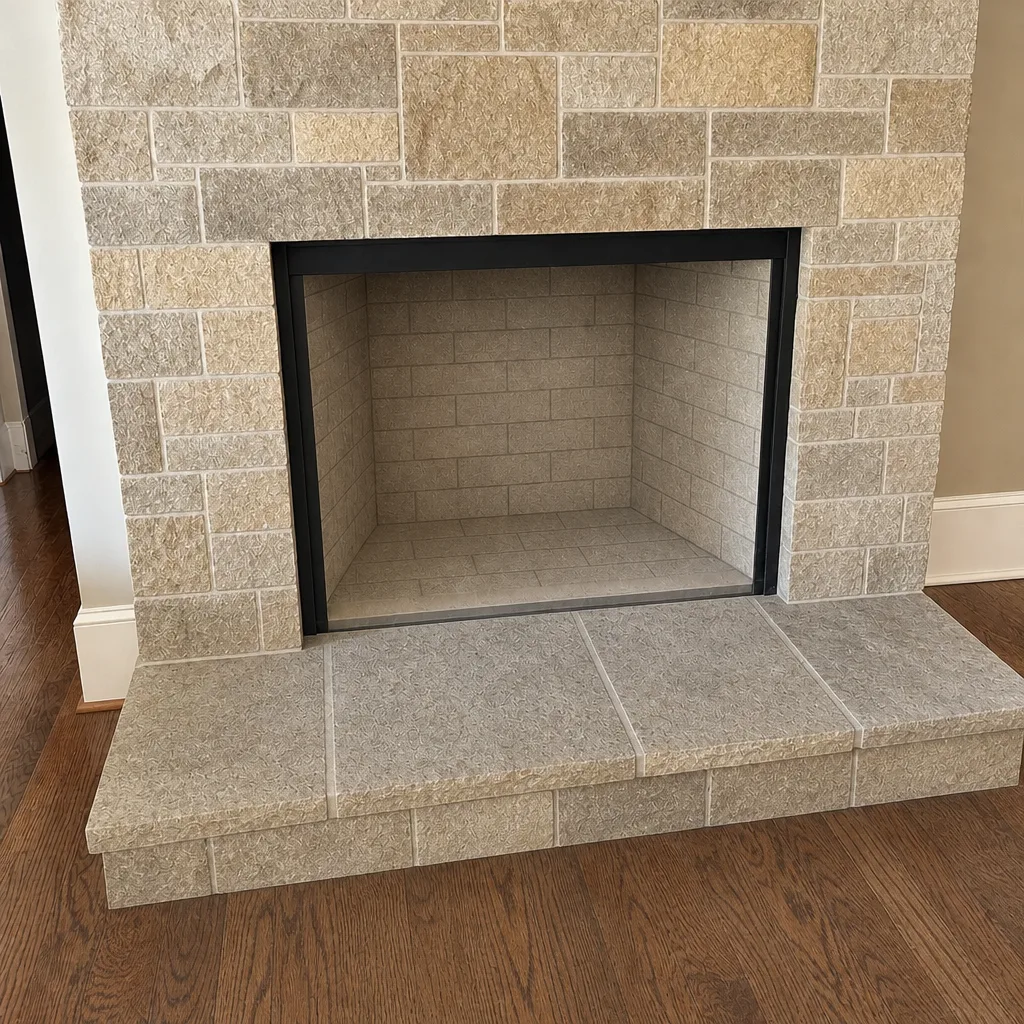
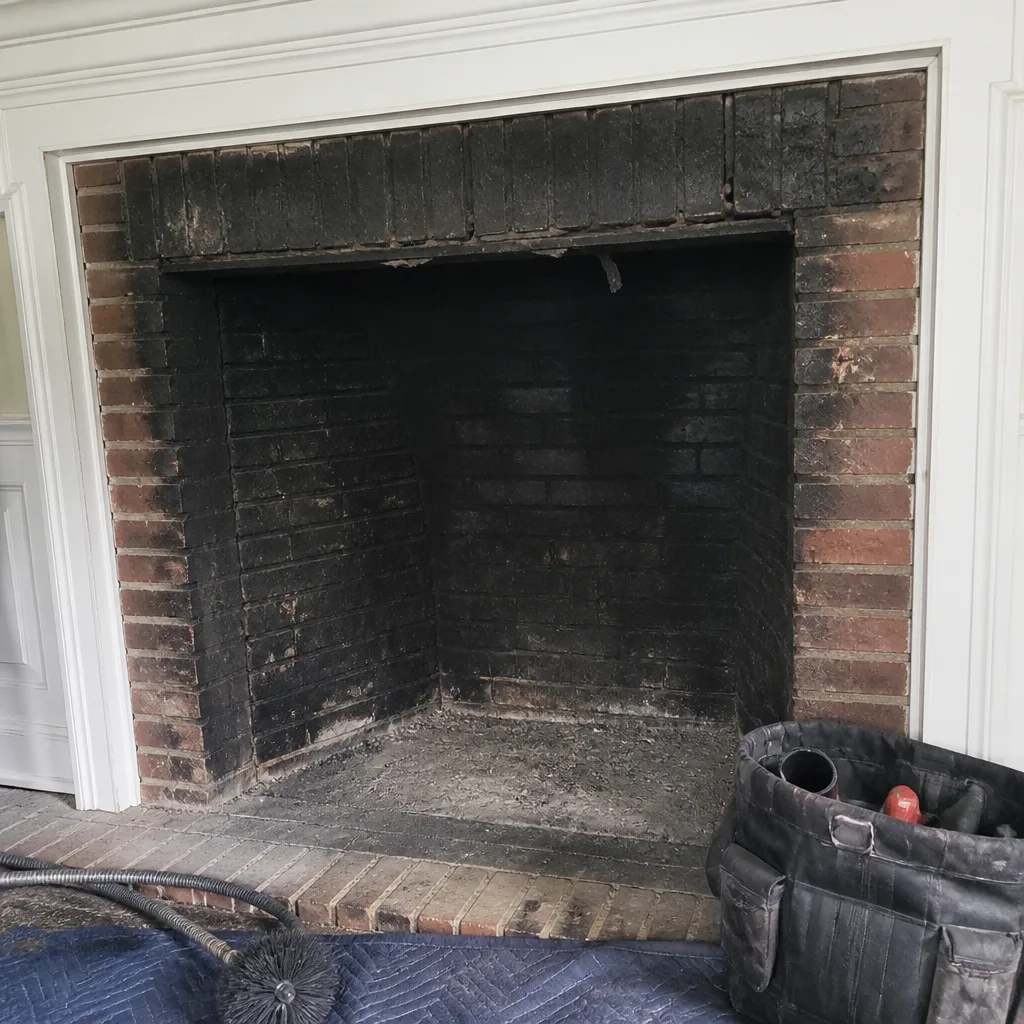
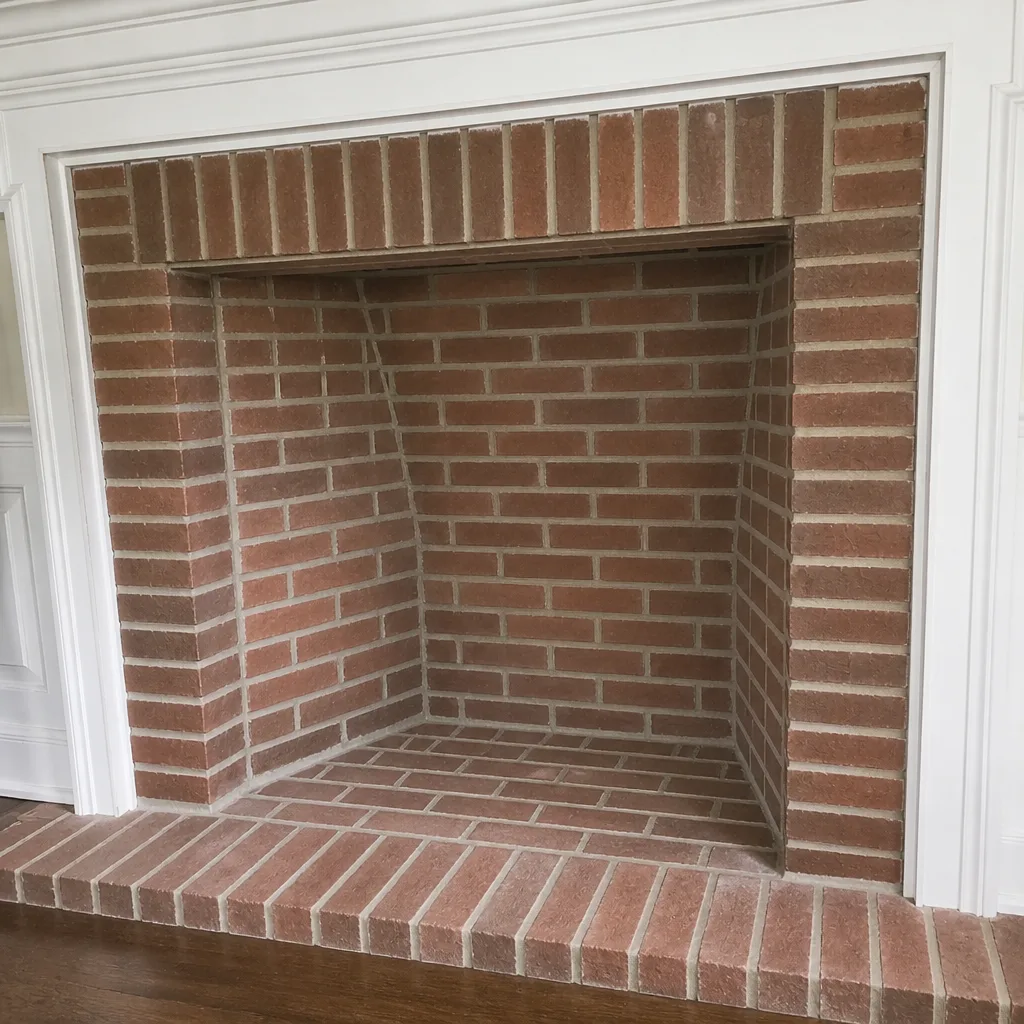
See the difference
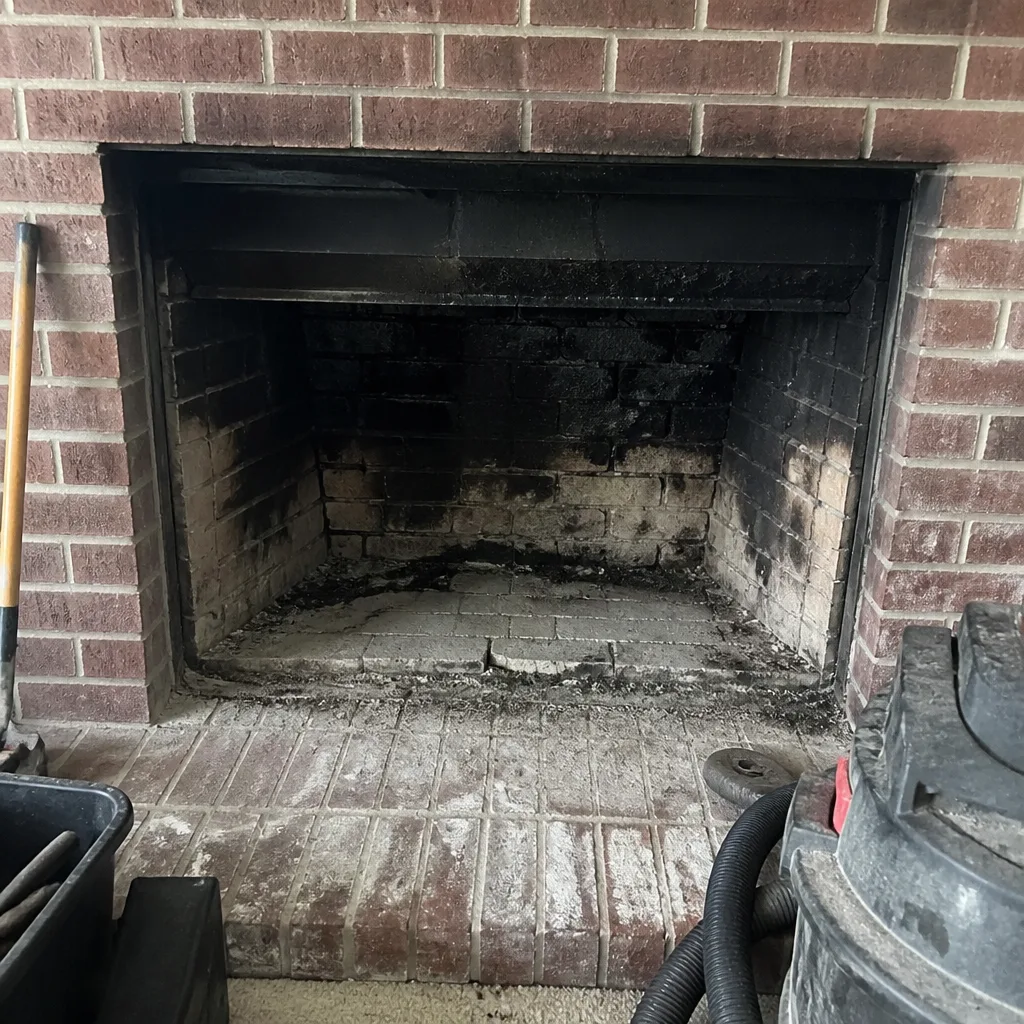 Before
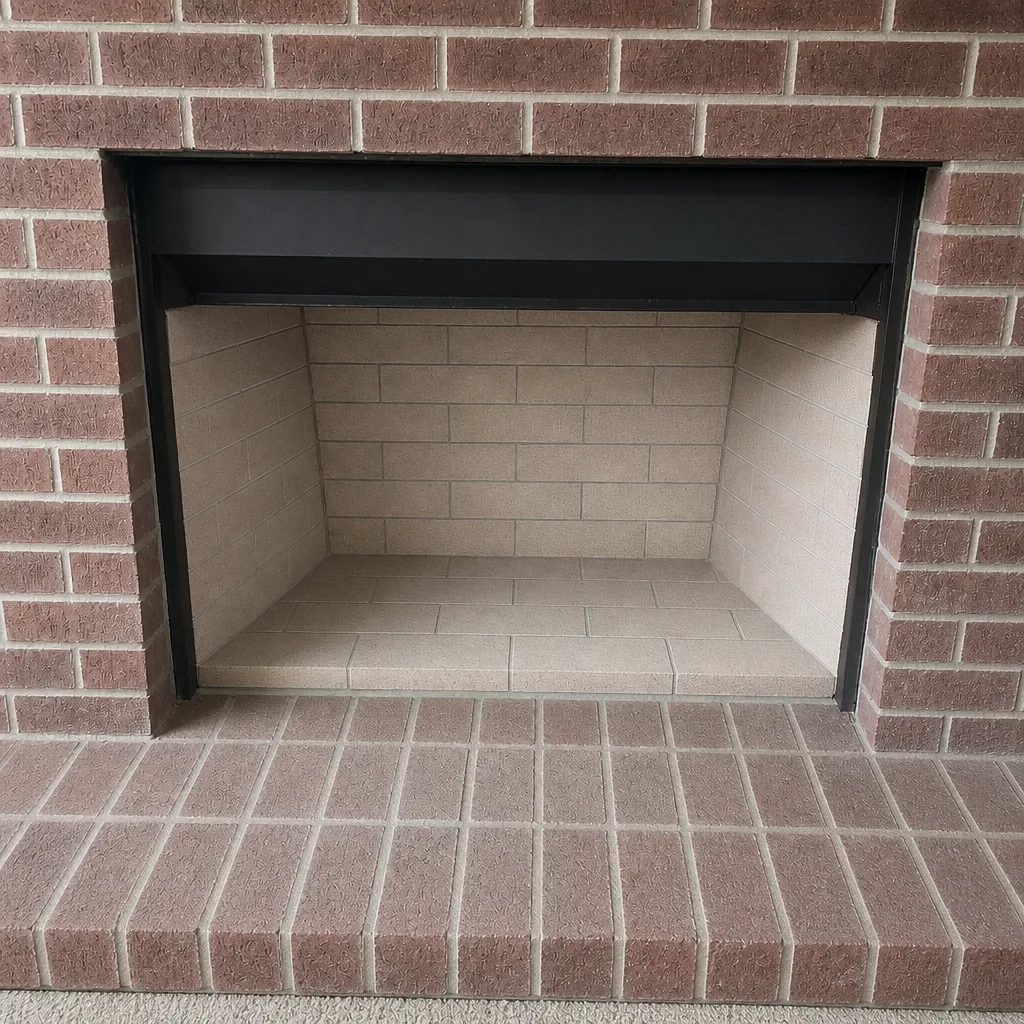 After
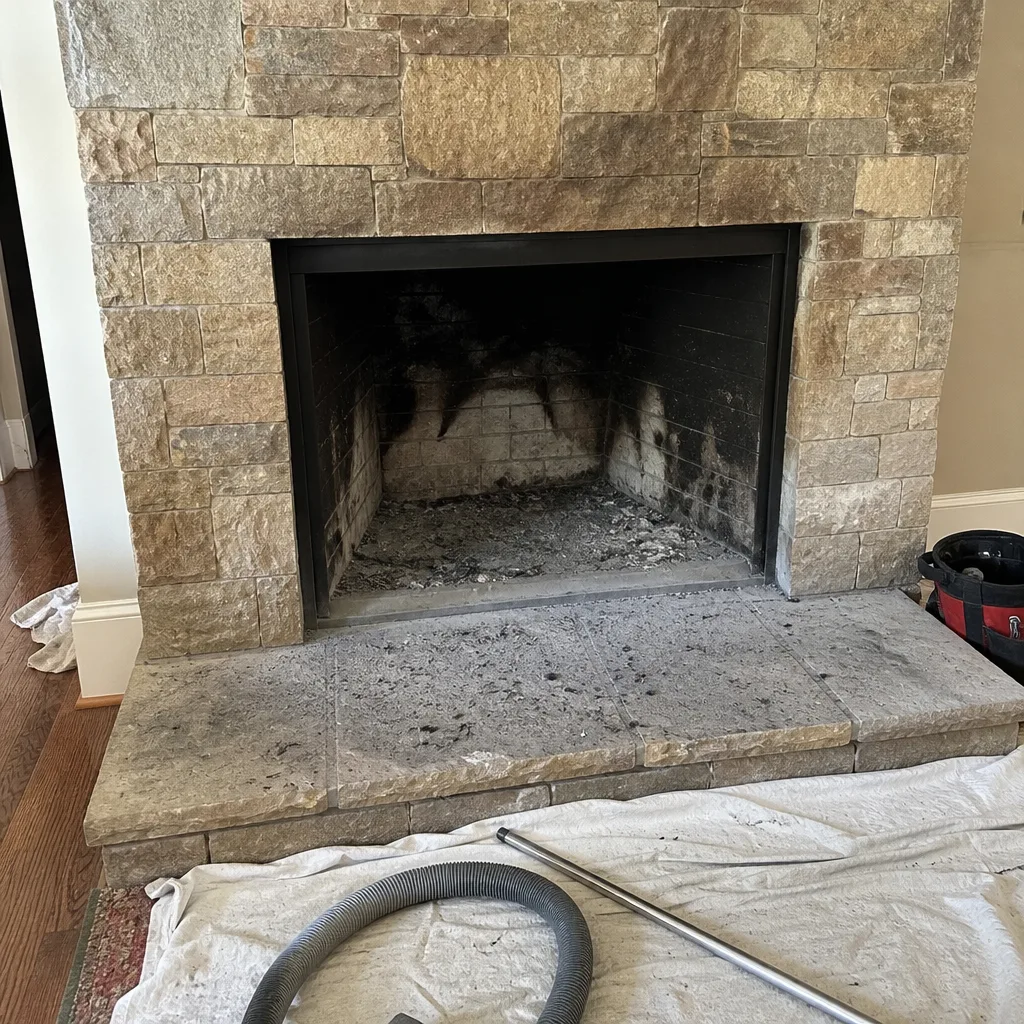 Before
 After
 Before
 After
When to Call a Professional
Routine cleaning and inspection should be scheduled once a year for wood-burning appliances, and periodically for gas fireplaces per the manufacturer’s guidance. But some situations call for a call now rather than a call on the schedule. Smoke coming into the room instead of up the flue. A strong creosote smell, especially in warmer weather. Visible cracking in the firebox, crown, or masonry. Water stains on the chimney exterior or ceiling near the flue. A chimney fire, even a small one you put out yourself – it can compromise the liner in ways you can’t see. And any time a real estate transaction or insurance request needs written documentation, that’s a professional inspection, not something to guess at on your own. Chimney Sweep Brier Creek offers free estimates in Brier Creek – call (866) 937-8959. We answer 24/7. Fast dispatch from 7am to 7pm, Sunday through Friday.
Frequently Asked Questions
North Carolina does not issue a state license specifically for chimney sweeping, so there’s no state credential to check in Brier Creek. The meaningful verification is CSIA certification, insurance documentation, and verifiable local work history. Some structural repair work may fall under general contractor licensing, but the routine sweep and inspection do not.
Ask for their CSIA certification number, then look it up in the CSIA’s online directory to confirm it’s current. A certification can lapse if continuing education isn’t maintained, and an expired credential looks identical to a current one on a business card. Verify the name on the directory matches the contractor doing the work. Call (866) 937-8959 for an exact quote on your job – estimates are free.
General liability insurance and workers’ compensation. General liability covers damage to your home; workers’ comp covers a technician injured on the job, which protects you from liability. Request certificates sent directly from the insurer or agent, check the limits and expiration dates, and confirm the business name matches the proposal.
Once a year for wood-burning appliances is the standard recommendation, though frequency depends on how much you burn and what you burn. A gas fireplace may need less frequent cleaning but still needs periodic inspection. The honest answer for your specific chimney comes from an inspection, not a general rule. Call (866) 937-8959 for an exact quote – estimates are free.
Many deteriorating liners can be resurfaced rather than fully replaced, which is a distinction worth asking about. HeatShield is a ceramic resurfacing system that restores a damaged liner without the cost of full relining, and it carries a manufacturer warranty. Not every liner is a candidate – the inspection determines that. Ask your contractor what your options are beyond replacement.
Ask for their CSIA certification number and verify it, request insurance certificates from their agent, request a written proposal with a specific scope, ask about product brands for caps and liners, confirm the job includes a written inspection report with photos, and ask what findings would be urgent versus what can wait a season. Call (866) 937-8959 for an exact quote – estimates are free.
The Bottom Line
Hiring a chimney contractor in Brier Creek comes down to three checks – CSIA certification verified against the directory, insurance certificates sent from the agent, and a written inspection report with photos – because North Carolina provides no state license to fall back on. Add a review of the proposal for scope specificity, a look at whether they name professional-grade brands like DuraFlex, HeatShield, Famco, Olympia Chimney, or Copperfield, and a refusal to approve repairs you can’t see evidence for. That process protects you on the routine job and the big one. When repair is needed, you’ll have documentation you can compare, options you can weigh, and a contractor who advised rather than pressured. Call (866) 937-8959 for a free estimate in Brier Creek.
Written by the team at Chimney Sweep Brier Creek.