
Last updated November 24, 2026
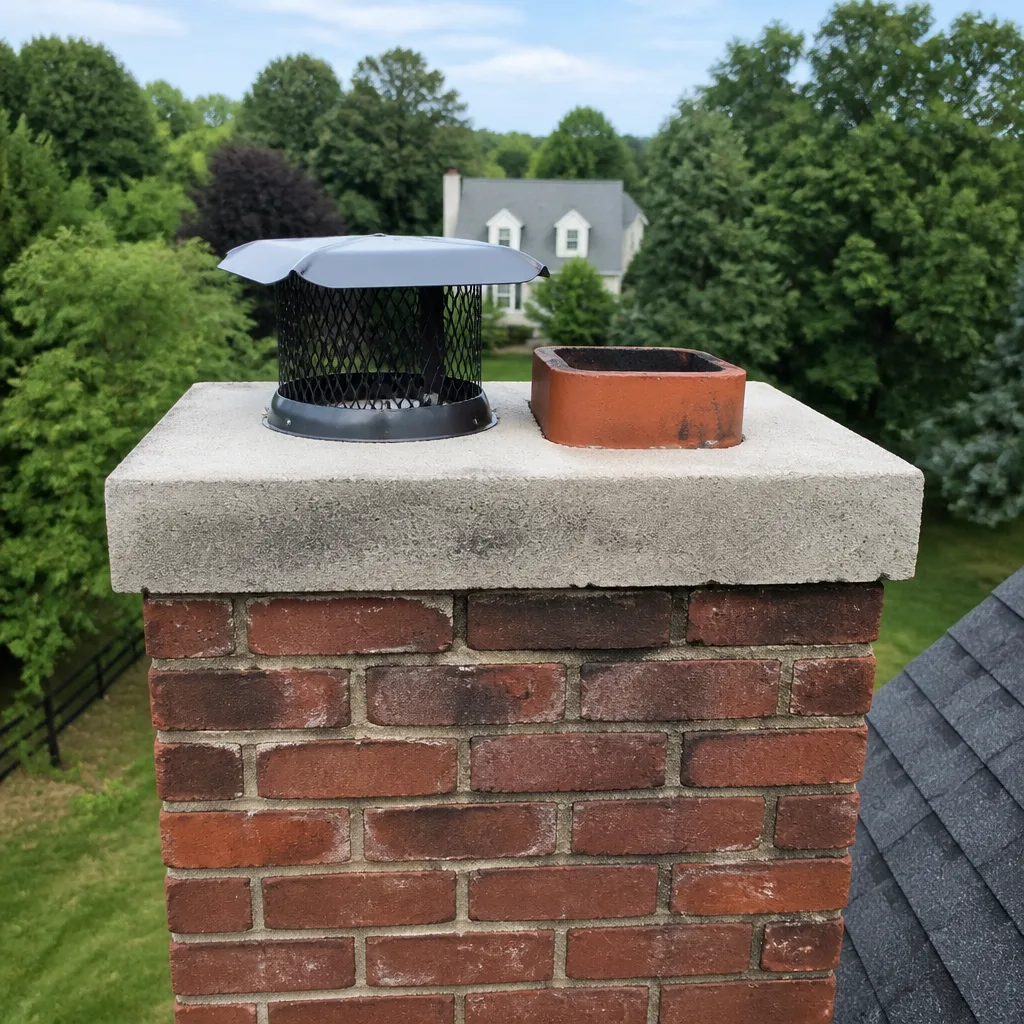 Sweep & inspection
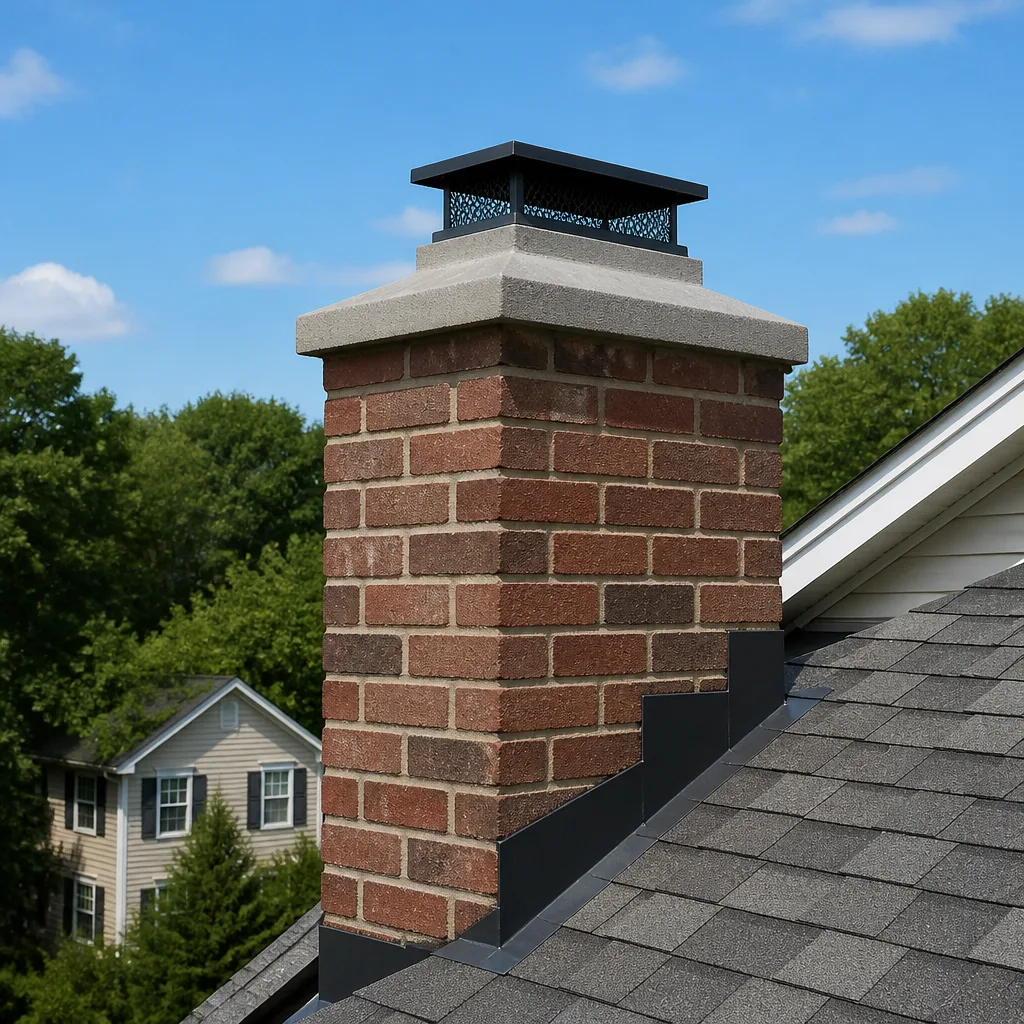 Caps & crowns
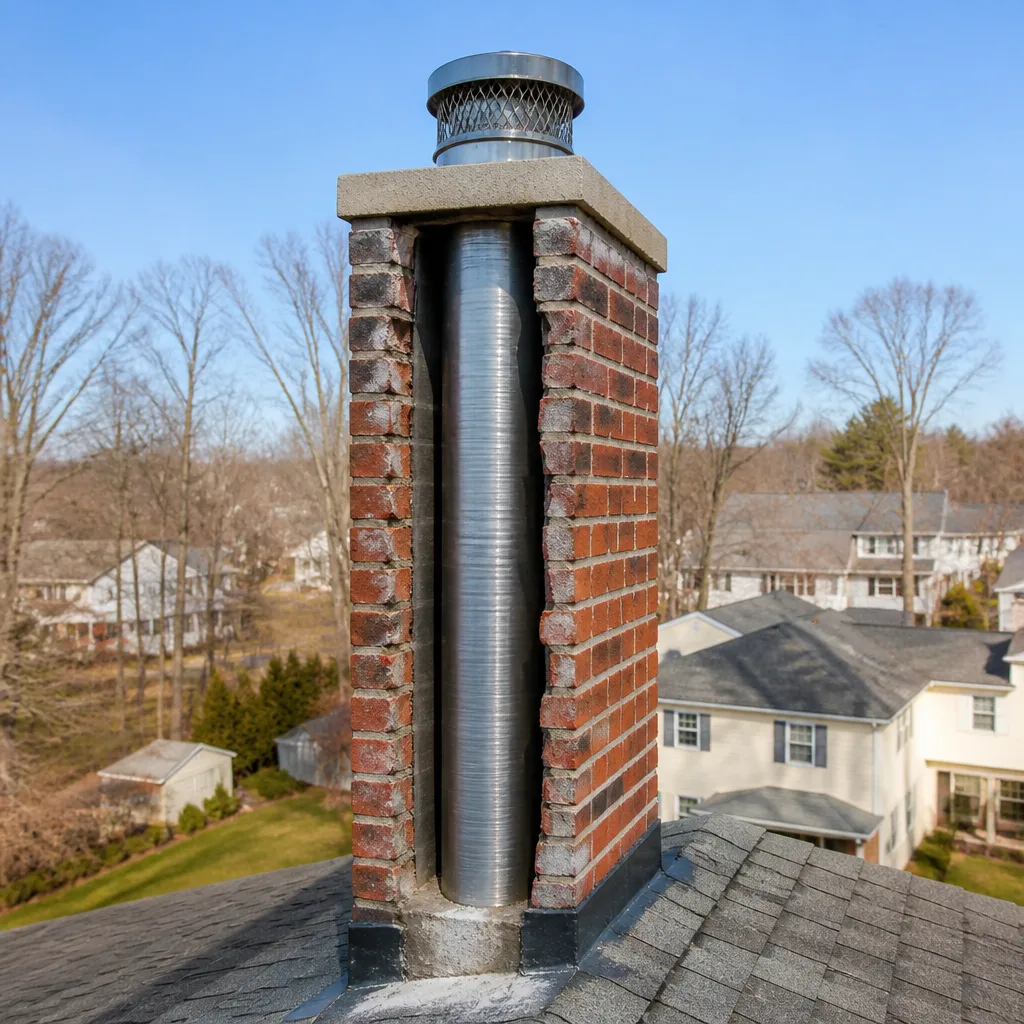 Flue relining
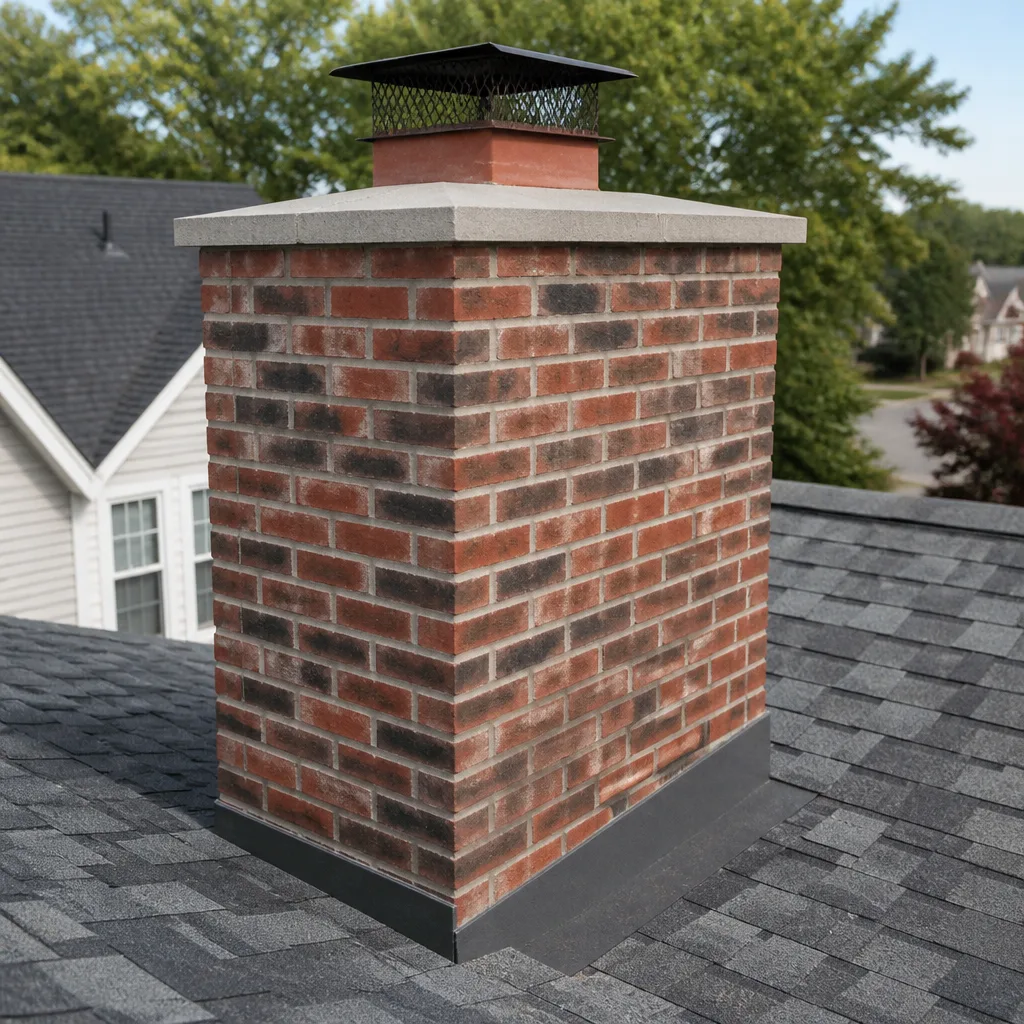 Masonry repair
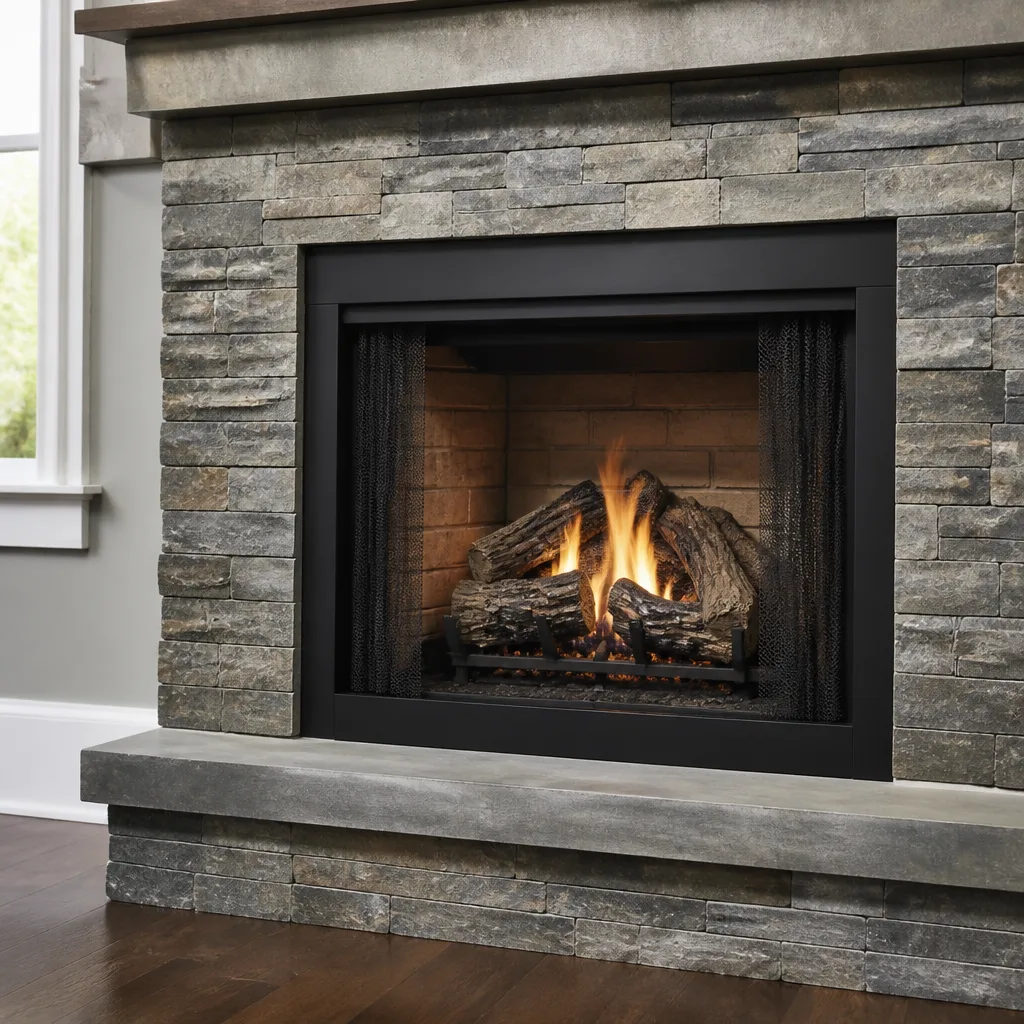 Gas fireplace service
Level 1 sweep and inspection to the NFPA 211 annual standard - flue, crown, cap, and flashing checked and photographed
Chimney sweep logs do not sweep chimneys. They loosen some creosote - which then falls where a brush and vacuum still have to collect it.
The Complete Guide to Chimney Cleaning in Brier Creek
A swept chimney is not a safe chimney. That distinction sits at the heart of nearly every problem we see in Brier Creek, and it surprises homeowners who assume a yearly cleaning covers them. The CSIA estimates that 25% of home heating fires involve chimneys that were recently swept. Cleaning removes what accumulated in the flue. It does nothing to tell you whether the liner has cracked, whether the crown is shedding water into the masonry, or whether the cap is letting rain and animals in. This guide maps the full system so you know what a real visit should cover, what Brier Creek’s clay soil does to mortar over time, and how to read a report before you approve any work.
Quick Answer
Chimney cleaning in Brier Creek is a full-scope service: sweeping the flue, inspecting the liner and firebox, checking the cap and crown, and documenting what we find so you have a written record. A cleaning alone addresses creosote, but a safe chimney depends on the liner, crown, and cap working together. Most visits take a couple of hours and end with a camera inspection and a report you keep.
Styles & brands we work with
- Sweep & inspection
- Caps & crowns
- Flue relining
- Masonry repair
- Gas fireplace service
Table of Contents
- Why Chimney Cleaning Is a System, Not a Task
- Brier Creek’s Clay Soil and Freeze-Thaw Cycles
- How NC Wood Species Affect Creosote Formation
- NFPA 211 Level 1, 2, and 3 Inspections Explained
- The Cap, the Crown, and Draft Performance
- What a Full-Scope Visit Should Document
- What Actually Happens During a Cleaning Visit
- Common Mistakes to Avoid
Why Chimney Cleaning Is a System, Not a Task
A chimney moves smoke, water, and heat through a stack of components that all depend on each other. The firebox contains the fire. The damper controls airflow. The flue carries exhaust. The liner protects the surrounding structure. The crown sheds water off the top. The cap keeps rain, birds, and debris out of the flue. Every one of these pieces affects the others, and a failure in any single one changes how the whole system behaves.
Here’s the part most homeowners miss: creosote buildup is often a symptom, not just a maintenance issue. A cap that’s missing or damaged lets water in, which mixes with creosote and soot to form a corrosive sludge that eats at mortar joints from the inside. A cracked crown lets water into the masonry, which freezes in winter and spalls the brick. A liner with a gap allows heat to reach combustible framing. Clean the flue and none of those problems go away on their own.
That’s why we treat chimney sweep and full-service chimney care in Brier Creek as one connected scope rather than a menu of unrelated line items. A sweep, an inspection, cap and crown work, liner repair, and fireplace repair are all part of keeping the system sound. When those pieces are evaluated together, you get an honest picture of what’s urgent, what can wait, and what’s already fine.
From the firebox to the crown, the question isn’t just “does this need cleaning?” It’s “what’s driving the buildup, and what else is degrading while the flue fills up?” That reframing is the whole point of this guide.
Brier Creek’s Clay Soil and Freeze-Thaw Cycles
Brier Creek sits on the Piedmont’s heavy clay soil, and that geology matters for reasons that aren’t obvious until something goes wrong. Clay holds water and drains slowly. Around a chimney, that means groundwater sits against the foundation and lower masonry longer than it would in sandier soil. The brick absorbs moisture through capillary action, and the mortar joints, being softer and more porous than the brick itself, take it on first.
Then winter arrives. Water trapped in mortar joints freezes, expands, and pushes the joint apart. When it thaws, the joint is left looser and more open than before. Repeat that cycle across a Piedmont winter, and shallow mortar joints start to crumble, a process called spalling. The brick face flakes. The joints recede. The chimney looks fine from the ground but is quietly losing structural integrity.
Creosote compounds the problem. When a flue that carries moist exhaust meets cold masonry, the smoke condenses faster. Brier Creek’s shoulder seasons, with warm days and chilly nights, create exactly those conditions. A chimney that stays cooler on the outside accumulates glaze more quickly on the inside.
What this climate means for cleaning frequency:
- Clay soil keeps moisture against the chimney longer, accelerating mortar deterioration compared to well-drained sites.
- Freeze-thaw cycles that swing above and below 32°F in the same week cause the most joint damage, and Brier Creek gets plenty of those.
- Cooler chimneys condense more creosote, so buildup can reach inspection thresholds faster than a homeowner expects.
- Water entering through a failing crown or missing cap multiplies all of the above, which is why chimney cap & crown work is a moisture-protection service, not a cosmetic one.
We’ve seen Brier Creek chimneys where the flue itself needed nothing more than a routine sweep, while the crown and the upper mortar joints were the real problem. Cleaning the flue without looking at the top of the stack would have missed it entirely.
How NC Wood Species Affect Creosote Formation
Creosote is the residue of incomplete combustion, and how much forms depends heavily on what you burn and how you burn it. Wood species matter. In Brier Creek, the most common firewoods are oak and pine, and they sit at opposite ends of the creosote spectrum.
Oak, especially red and white oak, is a dense hardwood with high heat output per cord. Burnt dry and hot, it produces strong, clean combustion and relatively modest creosote compared to softer or wetter woods. But oak holds moisture stubbornly. Split oak that hasn’t seasoned properly can carry enough water to cool the fire and produce far more smoke than the same oak fully dried. The species is fine. The moisture content is what matters.
Pine burns fast and hot and leaves more residue when it smolders. Pine is also resinous, and the resins contribute to sticky, tar-like creosote deposits that are harder to sweep and more prone to ignition. Many homeowners in Brier Creek use pine for kindling or shoulder-season fires, which is fine. The problem comes when pine makes up the bulk of the firebox load, especially on a damped-down fire that smolders slowly for hours.
Compared to national averages, this pattern tilts Brier Creek toward faster creosote buildup than a purely hardwood-burning region would see:
- Oak that isn’t fully seasoned adds moisture and cools combustion, producing more smoke and more creosote.
- Pine load makes up the firebox on shoulder-season burns, depositing resinous residue.
- Damped-down overnight fires burn slow and cool, which is the single biggest creosote generator regardless of species.
The practical answer is straightforward. Burn dry hardwood, save pine for starting, avoid long smoldering fires, and get the flue swept before the first fire of the season. If you burn pine hard or burn wet wood, plan on an inspection sooner rather than later.
NFPA 211 Level 1, 2, and 3 Inspections Explained
NFPA 211 is the national standard that defines chimney and venting inspections, and it recognizes three levels. Knowing which one applies to your situation keeps you from either overpaying for unnecessary work or settling for a check that’s too shallow for what’s going on. A swept flue isn’t the same as an inspected one, and the level of inspection matters.
Level 1 Inspection
A Level 1 is the standard check done during a routine sweep. It covers all accessible portions of the chimney and venting, verifies that the system is sound and free of obstruction, and checks the firebox, damper, and the visible portions of the flue from both ends. This is the right level for a system that hasn’t changed use and is being maintained on a regular basis. Most Brier Creek homeowners with a wood-burning fireplace who get a yearly visit are getting a Level 1.
Level 2 Inspection
A Level 2 is required whenever the use of the chimney or appliance changes, when a home is being bought or sold, after an event like a chimney fire or earthquake, or when a Level 1 reveals a problem that needs closer study. A Level 2 includes everything in a Level 1 plus a video camera inspection of the interior of the flue. This is where a chimney professional sees the things the eye can’t: liner cracks, gaps at joints, offset flues, and missing mortar. If you’re buying or selling a home in Brier Creek, this is the level your inspector should be documenting.
Level 3 Inspection
A Level 3 is the most involved and is only performed when a Level 1 or 2 finds a hidden hazard that can’t be evaluated without opening up part of the chimney. It can involve removing a crown, cutting into masonry, or accessing concealed spaces. Level 3 inspections are the exception, not the rule, and they’re always a response to something specific the prior inspection raised.
In a standard Brier Creek cleaning visit, we’re doing a Level 1 as part of the sweep. But if your home is changing hands, if you’ve had a chimney fire, or if the sweep turns up something the eye can’t resolve, we move to Level 2 with a camera. We use HeatShield, the industry’s leading ceramic resurfacing system, when a Level 2 reveals a liner problem that can be restored rather than fully replaced, and DuraFlex flexible liner systems when a full reline is the correct answer.
If you want a full inspection that documents condition for a real estate transaction or insurance file, that’s a chimney sweep and inspection visit we can schedule and report on properly.
The Cap, the Crown, and Draft Performance
Most homeowners think of a chimney cap as a bird deterrent. It’s a lot more than that, and its condition directly affects how often the flue needs cleaning. This relationship is functional, not coincidental.
A cap does three jobs: it keeps rain out of the flue, keeps animals from nesting, and provides spark arrestance. All three affect cleaning frequency. Rainwater that enters an uncapped flue hits the creosote deposits and turns them into a corrosive slurry that attacks mortar joints and liner surfaces. A bird or squirrel nest obstructs the flue and forces smoke back into the house, which is a draft failure that can look identical to a cleaning problem. Missing spark arrestance means embers can exit the stack, which is a fire risk in its own right.
A crown is the concrete or masonry slab at the very top of the chimney. Its job is to shed water away from the joint where the flue meets the masonry and keep rain from soaking into the brick below. When a crown cracks or separates from the flue, water finds that gap. That water meets the freeze-thaw cycle Brier Creek is prone to, and the damage cascades downward through the upper stack. We see this regularly in the neighborhood: no visible smoke problem from inside the house, but the crown has been quietly failing for seasons.
Numbers homeowners should hold onto:
- National fire statistics trace a meaningful share of home heating fires to creosote ignition, which is why the CSIA cites the 25% figure for recently swept chimneys.
- NFPA 211 sets the standard for whether a chimney is inspected and by which level.
- Water is the leading cause of chimney masonry deterioration, and both cap and crown are moisture barriers first.
Cap and crown services aren’t a cosmetic upsell. They’re the first line of defense for the rest of the chimney. We install and replace caps and crowns using products built specifically for the job, including Gelco and Olympia Chimney components, because the material choice at the top of the stack determines how well the whole system performs over time. The cap and crown are also the place where fireplace repair decisions often start, because a draft issue at the top of the chimney can show up at the firebox.
What a Full-Scope Visit Should Document
A cleaning that leaves you with no written record is a cleaning you can’t evaluate. What a visit should produce in writing matters, and what’s commonly skipped by generalist contractors matters just as much. We’ve noticed that the missing piece in a lot of Brier Creek homes isn’t the sweep itself, it’s the paper trail.
Here’s what a proper visit should record:
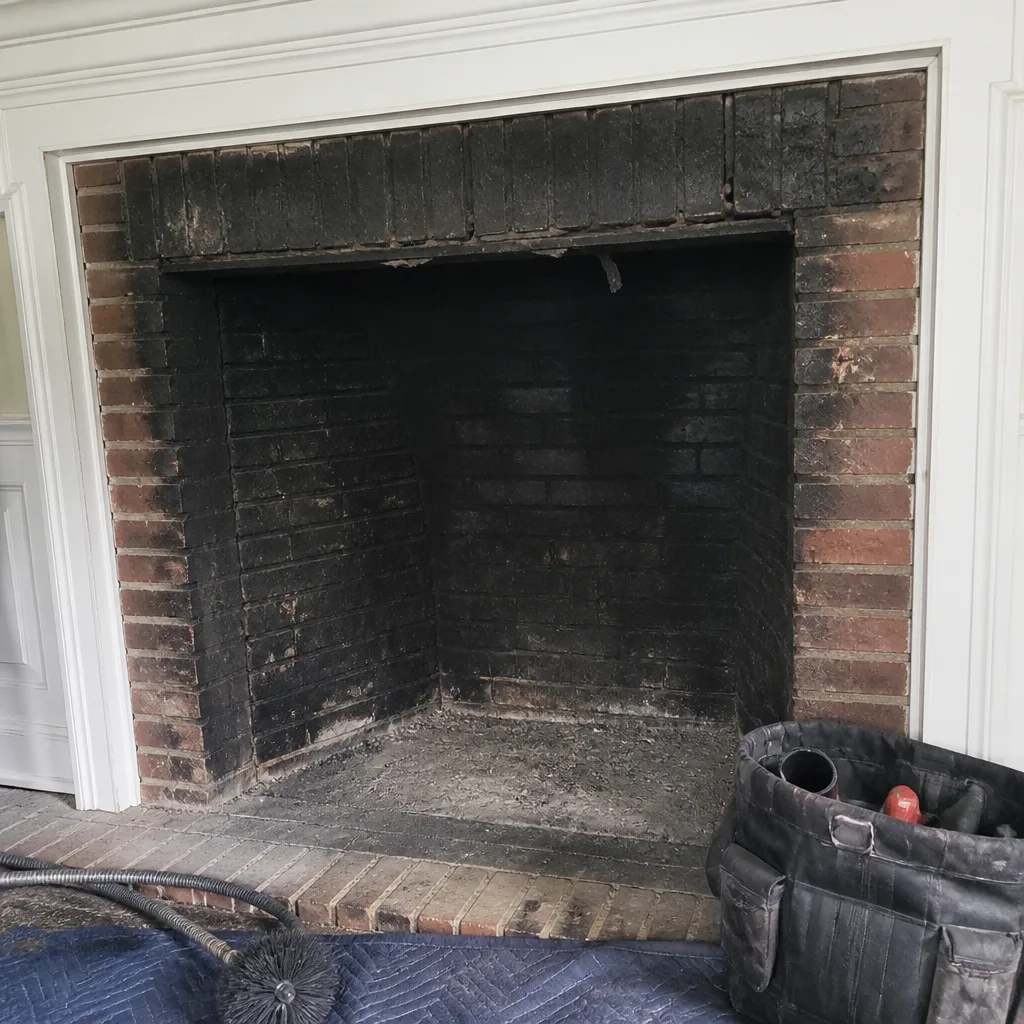
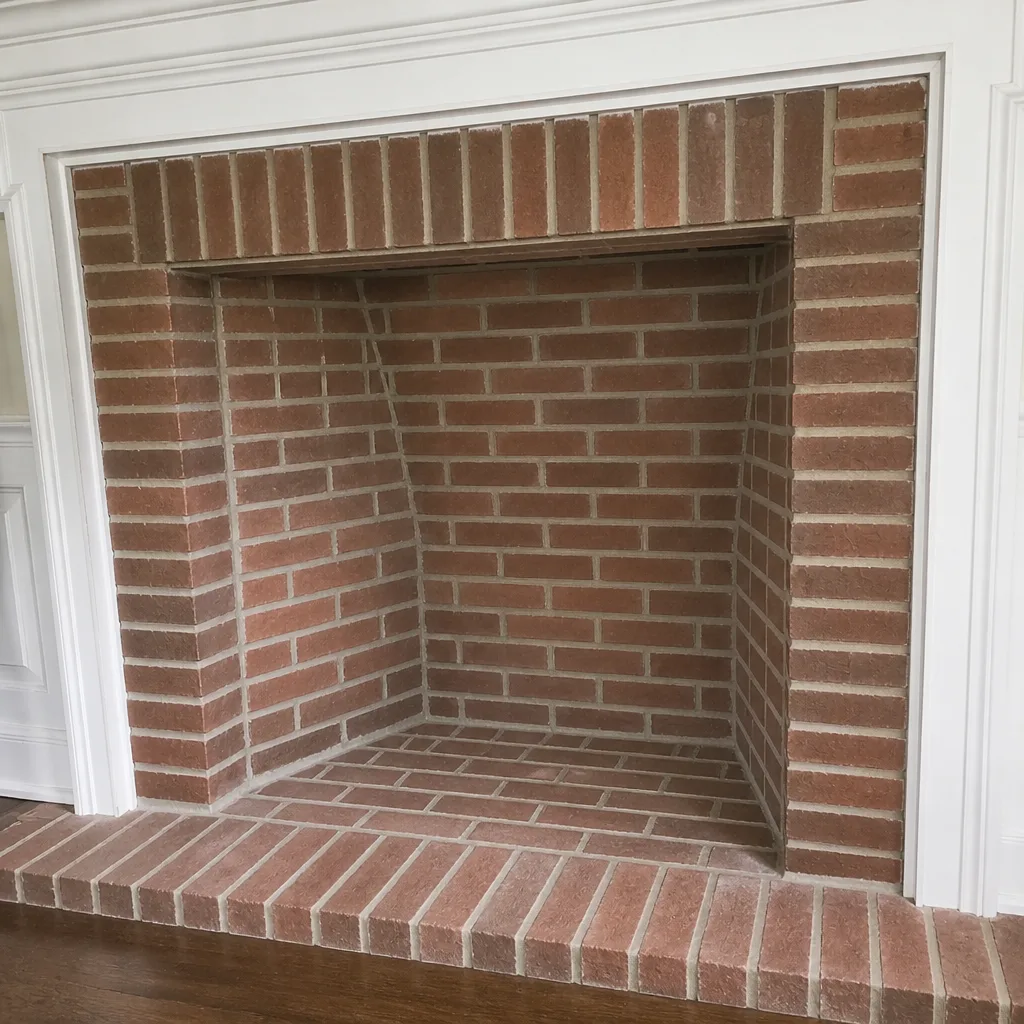
- Before-and-after condition of the flue. What we saw at the damper, what we saw at the top, and photographs of the interior surfaces after the sweep. Pictures are the only honest way to show what’s actually there.
- Creosote staging. A description of the deposit type and degree (for example, whether the buildup was surface ash, hardened scale, or glazed). This determines whether another sweep is needed sooner.
- Liner inspection results. Whether the visible liner surfaces are intact or show cracks, gaps, or deterioration, and whether a camera inspection was needed to resolve the question.
- Crown and cap condition. Whether the crown is sealed, whether it’s cracked, and whether the cap is present, attached, and intact. This is where the scheduling decisions live.
- Firebox and damper condition. Any cracks in the firebox refractory and whether the damper opens, closes, and seats properly.
- Recommendations separated into “urgent”, “monitor”, and “no action needed”. If everything is presented as urgent, nothing is.
What’s commonly skipped by generalist contractors:
- A written photo report you keep. Word of mouth is not a record.
- The above-roof condition of the crown and the top of the flue.
- A Level 2 camera inspection when something suspicious turns up.
- An honest “this can wait” recommendation. If the liner is sound, the crown is intact, and the creosote level is below the threshold, the right answer is to say so.
To put it plainly: nothing should be recommended to you without camera or photo evidence you can look at yourself. That’s how you know an estimate is grounded in what’s actually there and not what a contractor hopes to sell. And it’s how you avoid the trap of approving a full liner replacement when a HeatShield resurfacing would restore the existing liner for less cost. We repair liners without always replacing them, because that’s often the technically correct answer when the structure beneath is sound.
What Actually Happens During a Cleaning Visit
Knowing the sequence removes most of the anxiety and makes it easy to spot a visit that’s being done properly. Here’s the order of operations we follow in Brier Creek homes.
- Walk-through and prep. We lay drop cloths, seal the firebox opening with a vacuum connection, and confirm the damper is open. This prevents soot from migrating into the living space.
- Firebox and damper check. Before anything goes up the flue, we check the firebox lining, the damper, and the smoke shelf. If the damper won’t open, we stop and address that first.
- Bottom-up sweep. A rotary sweep loosens deposits from the flue, and a HEPA-filtered vacuum captures the debris. The flue is brushed from the bottom and from the roof as needed, depending on the chimney’s configuration.
- Roof-level check. We inspect the crown, cap, top of the flue, and the visible exterior masonry. These are the components that fail silently.
- Video camera inspection. If anything at the flue or firebox level needs a closer look, we run the camera. This is where a Level 2 logic applies even during a routine sweep.
- Report and recommendation. We walk you through what we found, show you the photos, and separate urgent items from monitoring items from “no action needed”. You keep the written report.
The visit ends with a clear picture of what’s fine and what needs attention. There’s no need to guess and no need to take our word for it without evidence. In our experience, Brier Creek homeowners are relieved when the report actually tells them what can safely wait, because that’s the thing they can’t verify on their own. A written estimate then sets the final price for anything that needs doing.
Common Mistakes to Avoid
- Treating the sweep as the whole job. Cleaning the flue without checking the liner, crown, and cap leaves you with a clean flue in a compromised chimney. The CSIA’s 25% figure exists because this distinction gets blurred.
- Burning wet oak because it’s what’s stacked. Oak that isn’t fully seasoned produces more smoke and more creosote than dry oak, and it usually sits wetter in Brier Creek’s humid shoulder seasons. Season it, or don’t burn it.
- Using pine as the main firebox load overnight. Damped-down pine fires are the fastest route to sticky, glazed creosote. Save pine for starting and burn dry hardwood hot and clean.
- Ignoring the crown because it’s out of sight. Brier Creek’s freeze-thaw cycles turn a cracked crown into spalling masonry faster than most homeowners expect. It’s the most common serious problem we find on a routine visit.
- Taking a verbal report on trust. If a contractor won’t show you photos or a camera inspection, you can’t verify the recommendation. Insist on the written report before you approve anything.
- Approving a full reline without asking about resurfacing. HeatShield ceramic resurfacing restores many liners that a generalist would replace. Ask the question before you sign.
- Skipping the pre-season sweep. The right time to handle the chimney is before the first fire of the season, not after the first cold night when the calendar is full.
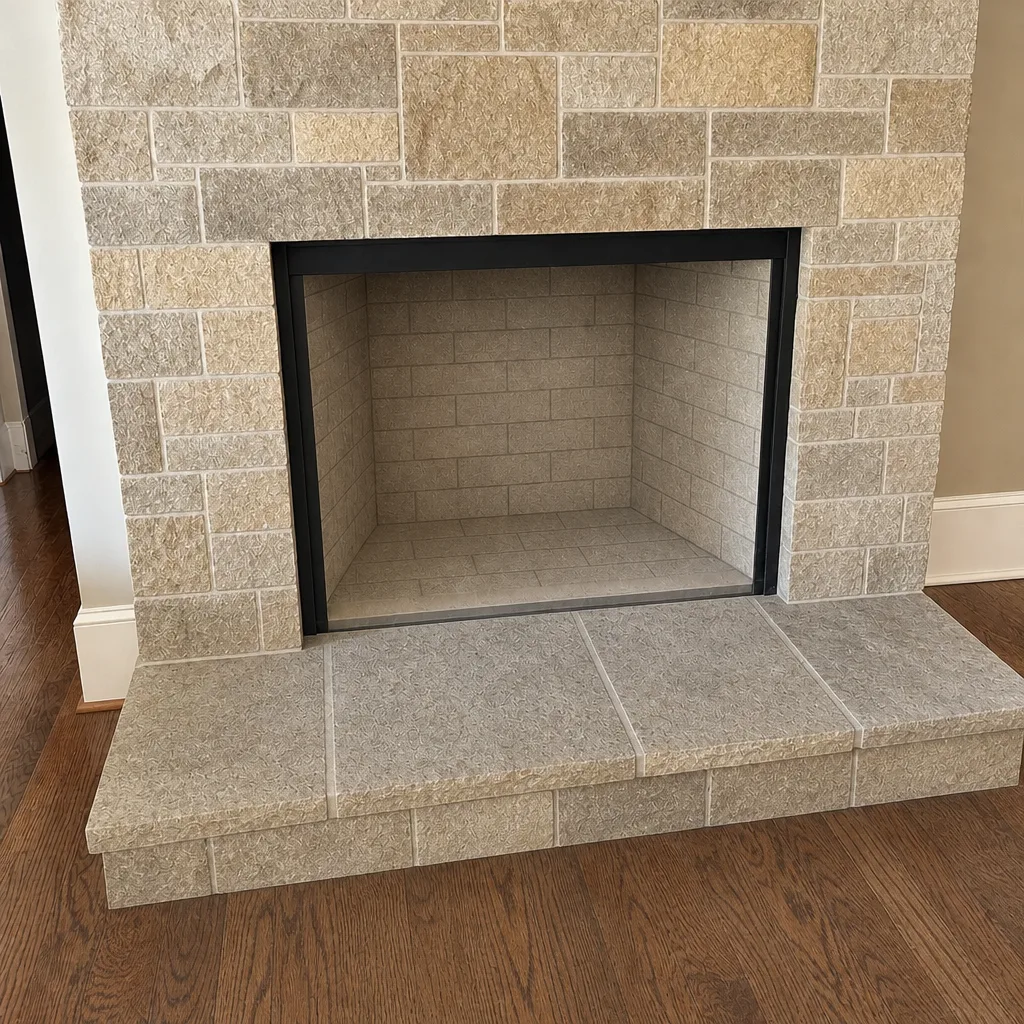
See the difference
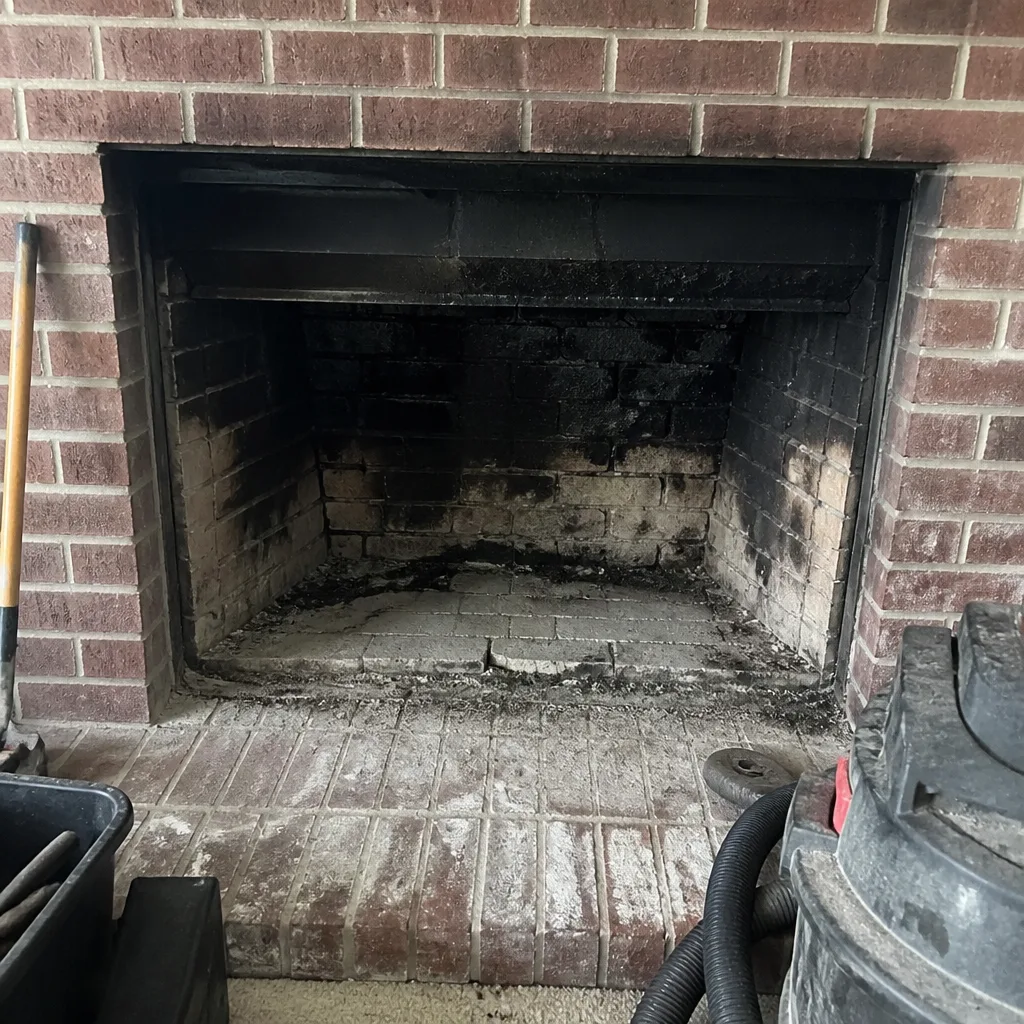 Before
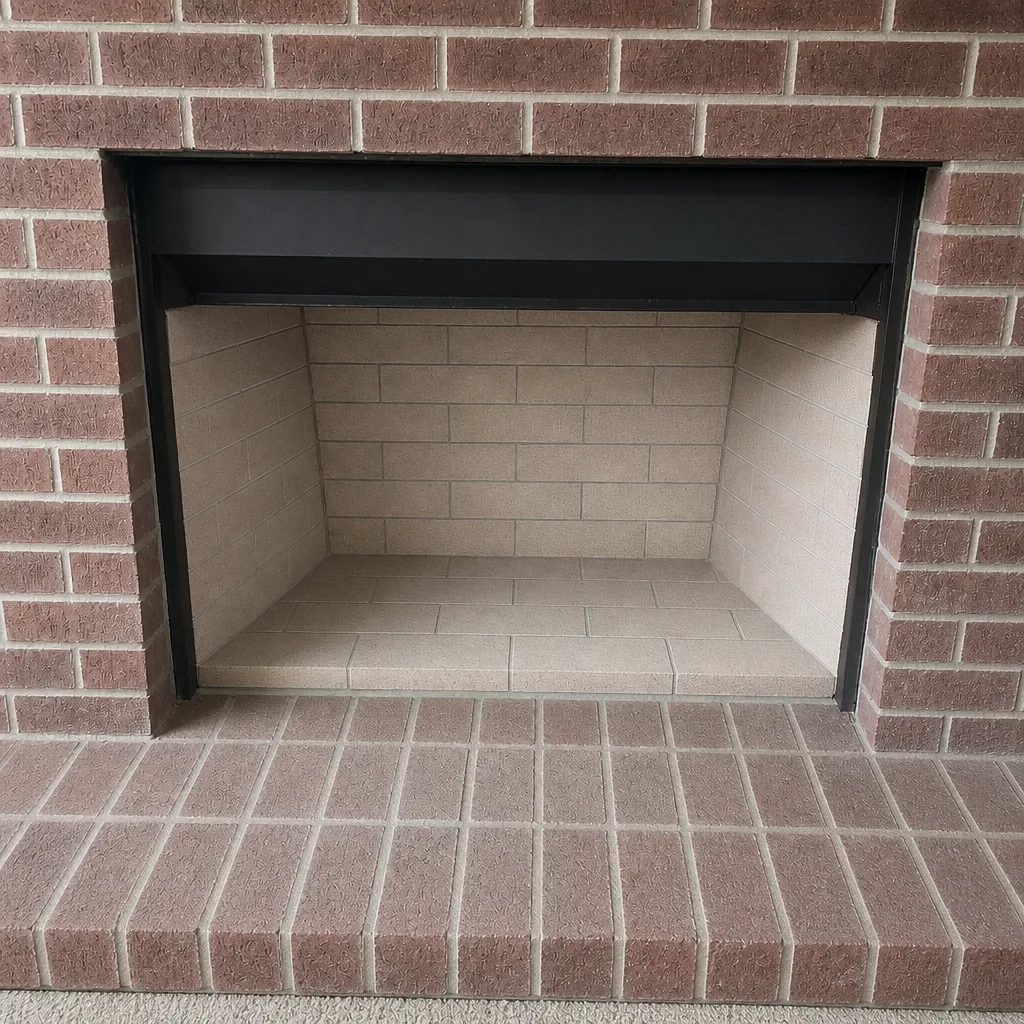 After
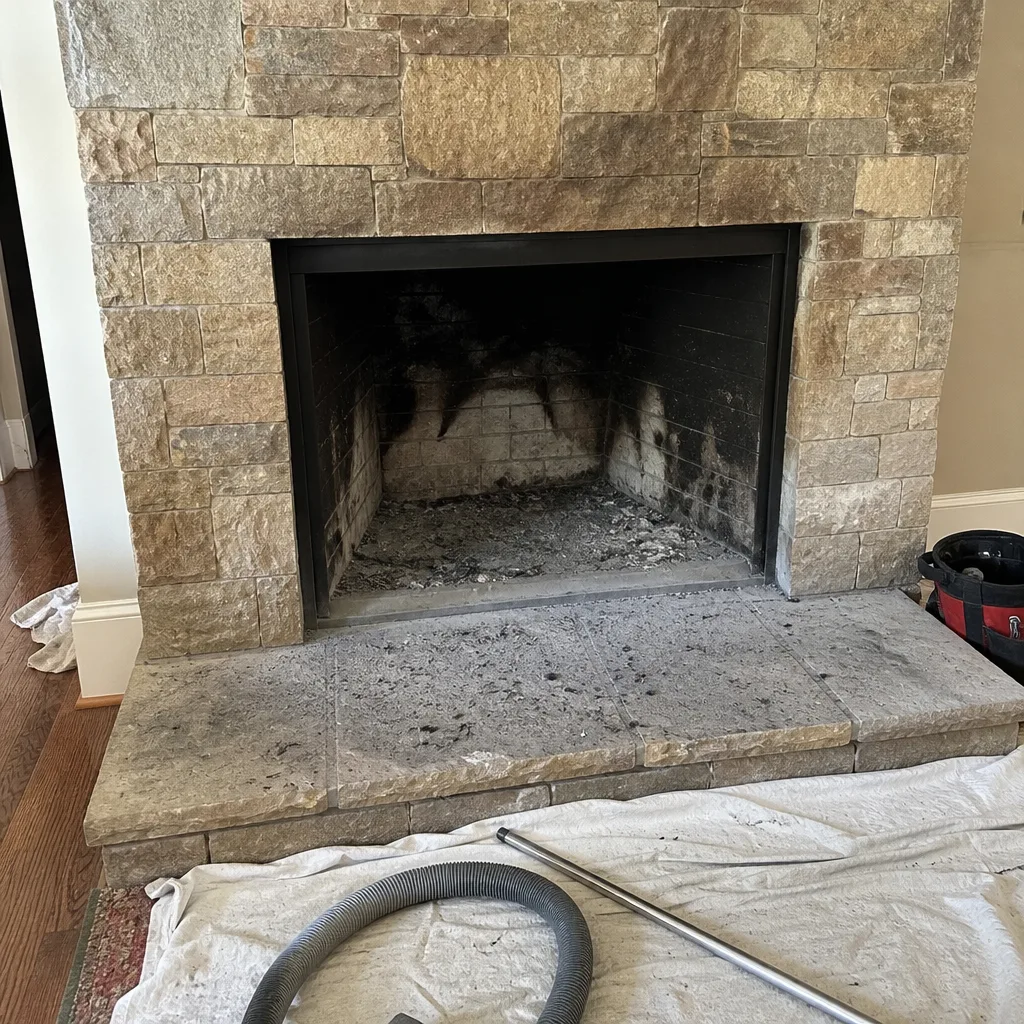 Before
 After
 Before
 After
When to Call a Professional
Some chimney work is genuinely a professional job, and high-tension components, electrical panels, gas lines, and roof-height work all sit in that category. Call a trained professional whenever the work involves the liner interior, the crown, the cap at roof height, or any gas appliance. Those aren’t jobs for a ladder and a shop vac. Even a routine sweep should be done by someone who can recognize what the deposits and surfaces are telling them.
Call for a professional chimney evaluation if any of these apply:
- It’s been more than a year since the last sweep, or you don’t know when the last one was.
- You’re buying or selling a home in Brier Creek and need a documented inspection.
- You see cracked or crumbling mortar at the crown or upper stack.
- Smoke backs up into the room when the fireplace is lit.
- You’ve had a chimney fire or suspect one occurred.
- You’re switching fuels or appliances, or the flue has been unused for a season or more.
Chimney Sweep Brier Creek offers free estimates in Brier Creek. Call (866) 937-8959. We answer 24/7. Fast dispatch from 7am to 7pm, Sunday through Friday. The written estimate sets the final price.
Frequently Asked Questions
At least once a year, and more often if you burn pine heavily or damp down fires overnight. The CSIA standard is to sweep when creosote reaches about 1/8 inch, which is often before a full year has passed in a home with heavy use. Brier Creek’s cool shoulder seasons and humid summers both accelerate buildup. Call (866) 937-8959 to schedule a sweep before the first fire of the season.
No. Cleaning removes creosote, but safety depends on the liner, crown, and cap being sound. National fire statistics show a meaningful share of home heating fires involve recently swept chimneys, which is why an inspection belongs with every cleaning. Ask for the written report with photos.
A sweep is a cleaning. An inspection is an evaluation of the whole system, and NFPA 211 defines three levels. A Level 1 comes with a routine sweep. A Level 2 adds a video camera inspection of the flue interior and is required for real estate transactions and after a chimney fire. A Level 3 involves opening part of the chimney when a hidden hazard can’t be assessed otherwise. Call (866) 937-8959 if you’re not sure which one applies.
Yes. The heavy clay soil in this part of the Piedmont drains slowly, keeping moisture against the chimney, and the area’s freeze-thaw cycles push that water into mortar joints and open them up over time. The result is accelerated crown and masonry deterioration compared to a well-drained, mild-winter site.
It depends on what the camera inspection shows. Many liners with surface damage can be restored using HeatShield ceramic resurfacing, which avoids the cost of full replacement. When the liner structure is compromised beyond resurfacing, a DuraFlex flexible liner system may be the correct answer. Ask for the camera evidence before deciding. Call (866) 937-8959 for a free estimate.
Ask for camera footage or photographs of what was found and a written report that separates urgent work from work that can safely wait. If a contractor can’t provide that, the recommendation isn’t something you can verify. Call (866) 937-8959 for a full-scope visit with documentation you keep.
The Bottom Line
Chimney cleaning in Brier Creek works when it treats the chimney as a system, not a task. The flue, liner, cap, crown, and firebox all affect each other, and cleaning the flue without inspecting the rest of the stack can leave real problems in place. Brier Creek’s clay soil and freeze-thaw cycles speed up crown and mortar deterioration, and the local mix of oak and pine drives creosote formation in ways a generic checklist won’t account for. A full-scope visit should end with a documented report, camera or photo evidence you can review, and an honest line between urgent work and what can wait. From the firebox to the crown, that’s the standard we hold ourselves to.
Where to Go From Here
If you’ve read this far, the next step is simple: get a visit that covers the whole system and leaves you with a report you can keep. Call (866) 937-8959 for a free estimate. We answer 24/7. Fast dispatch from 7am to 7pm, Sunday through Friday. The written estimate sets the final price, and nothing gets recommended without evidence you can see for yourself. Order a chimney sweep before the first fire of the season, schedule chimney cap & crown work if the top of the stack needs attention, and ask about fireplace repair if the firebox or damper has been giving you trouble. Our technicians have up to 10 years of experience, and we specify the right product for the job.
Written by the team at Chimney Sweep Brier Creek.